El Supremo y la respetabilidad de Vox
Con la suspensión cautelar del voto de los descendientes de los exiliados, el Supremo da a una vieja aspiración de la ultraderecha lo único que esta no podía obtener por su cuenta
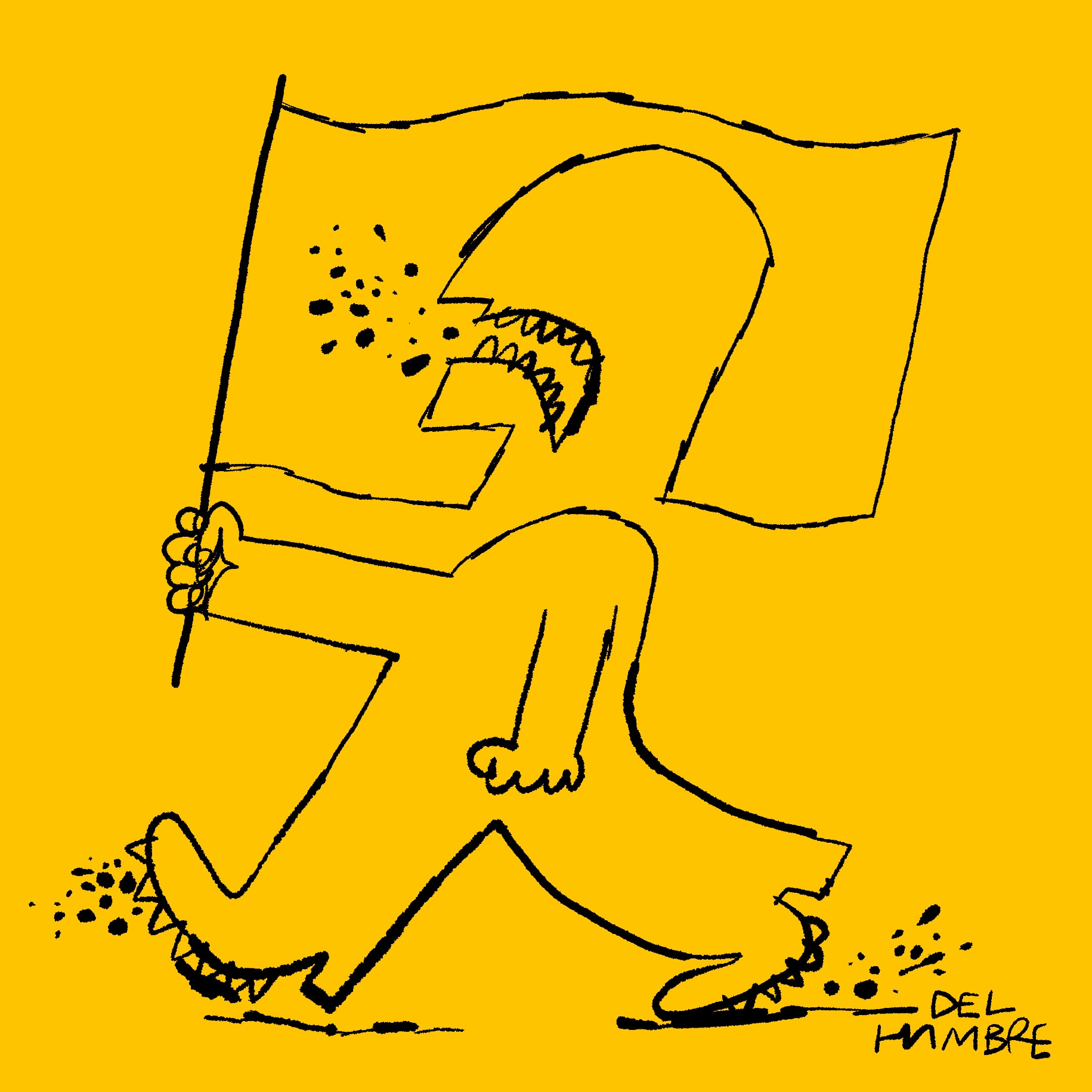
A party from the far-right has emerged victorious in the elections of Saxony-Anhalt, causing a stir across Europe. This trend is not unique to Germany, but rather a recurring phenomenon whenever ultra-right-wing parties gain ground. The ongoing debate on how to curb this rise has been stuck in a loop of discussion, with options ranging from prohibition, isolation, to even supporting them, as if the entire danger lies within these political entities.
Meanwhile, we have neglected to defend the democratic essence, for the ideas of the far-right have permeated our collective consciousness. This chauvinism of welfare demands the reservation of benefits, services, and aid for "ourselves," as those from outside exploit and live off what others have paid for. Furthermore, civic nationalism employs equality, laicism, or freedom of expression as exclusion criteria, presenting themselves as defenders of these values against those deemed incompatible.
Lastly, our handling of memory relativizes the past and absolves us of present responsibility. Those who determine what to remember and who to remember shape who belongs. The three approaches mentioned are merely different methods of deciding who belongs to the political community.
Written by urgent.news from El Pais's reporting — not their text. Machine-written — may contain errors; check the original before relying on it.