Chinese researchers extend future memory endurance 100-fold in semiconductor advance
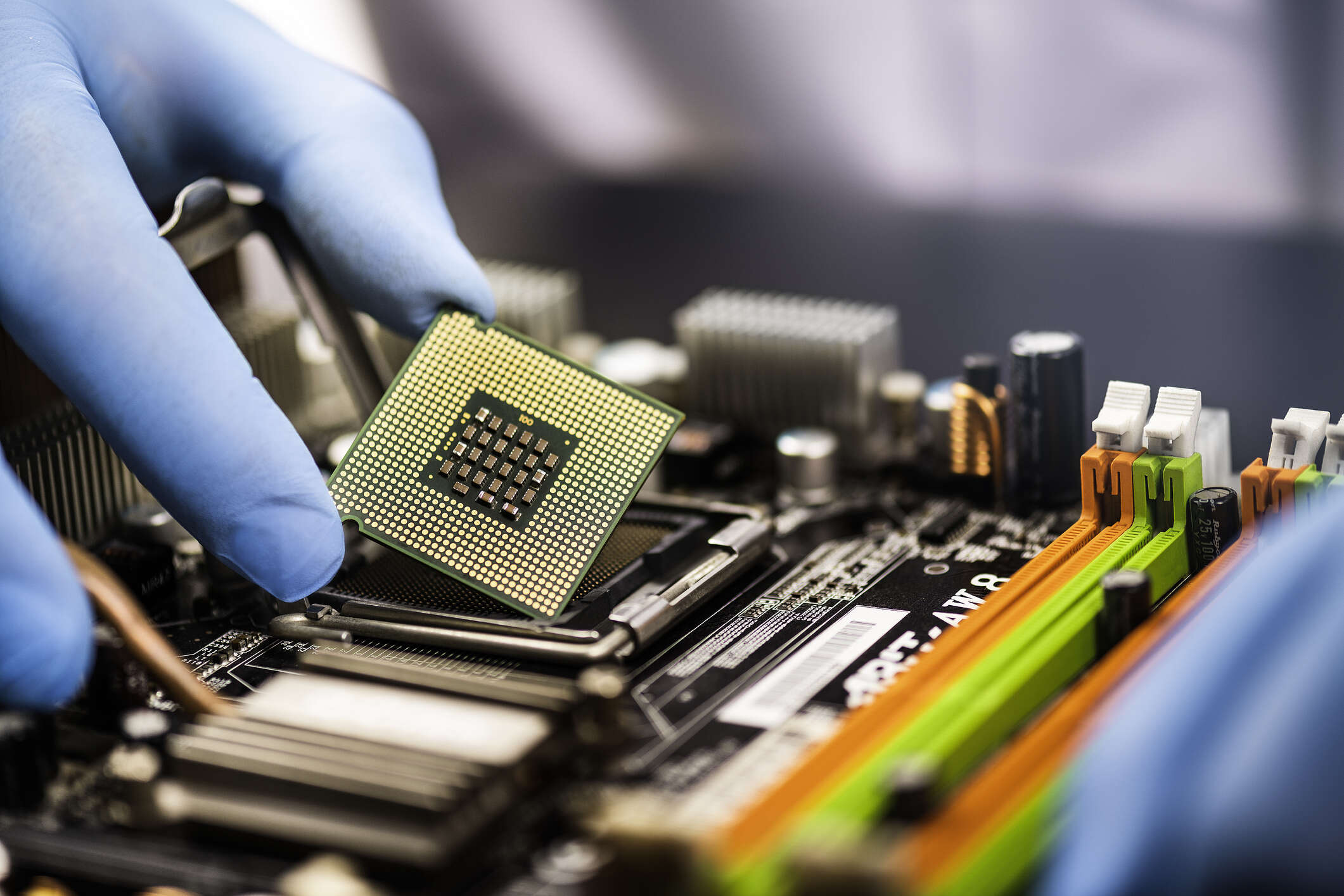
Chinese researchers have developed a way to make an emerging type of memory chip much more durable, potentially overcoming a critical reliability barrier to its use in high-performance computing and future artificial intelligence systems as the AI boom drives demand for more advanced semiconductors. The team demonstrated more than 10 billion writing cycles in wurtzite ferroelectrics, a class of…
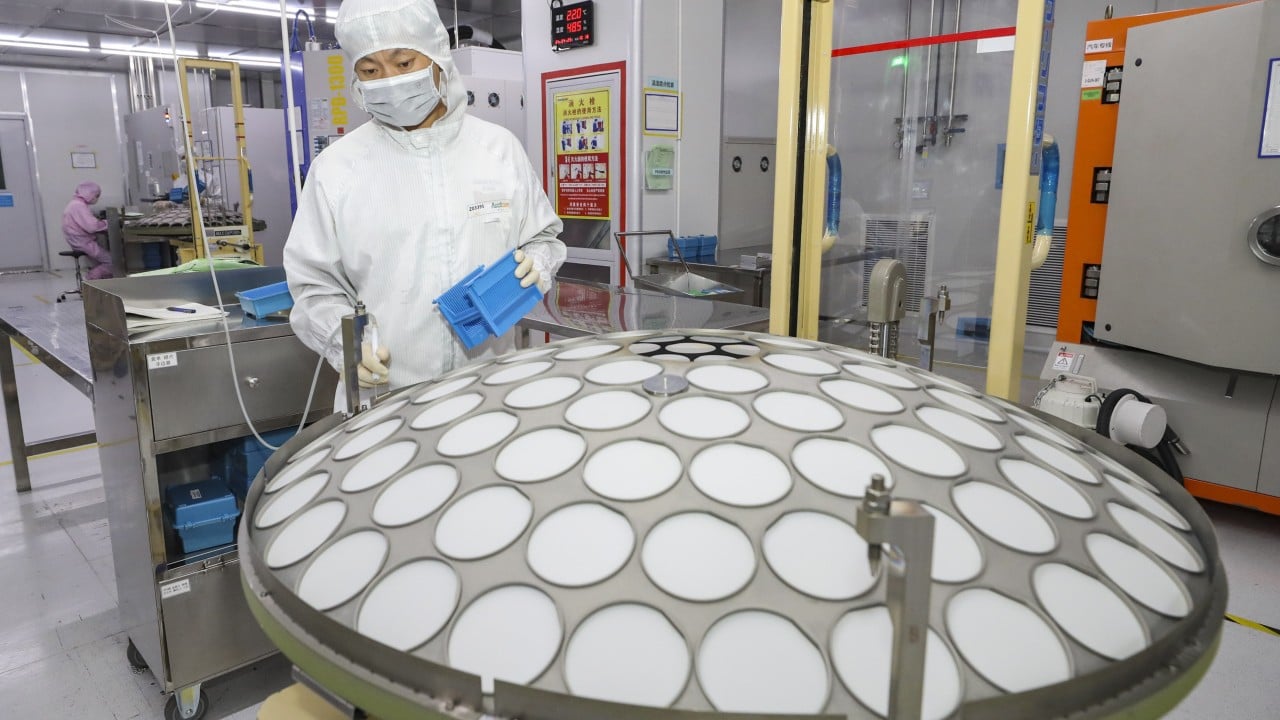
Chinese researchers have developed a new method to significantly increase the durability of a type of emerging memory chip, potentially overcoming a major reliability barrier for its use in high-performance computing and AI systems. The team demonstrated that wurtzite ferroelectrics, a class of materials that can store data by switching between two electric states, can endure over 10 billion writing cycles, which is roughly 100 times the previous endurance achieved with the same material.
This breakthrough, published in the journal Science, could bring ferroelectric memory closer to practical use in future computing hardware. Wurtzite ferroelectrics such as aluminum scandium nitride (AlScN) have gained attention recently due to their rapid switching speeds and potential for low energy consumption. However, these materials have faced a significant hurdle: deterioration after repeated electrical switching.
Existing AlScN devices have typically failed after approximately 100 million writing cycles, far below the billions required for commercial application. The researchers identified the accumulation of nitrogen vacancies - spots where nitrogen atoms were missing - as a key reason for the rapid failure rate of ferroelectric chips. These vacancies create pathways for electricity to leak through the chip, leading to breakdown.
To address this issue, the team designed a layered structure that confined the movement of the nitrogen vacancies, significantly slowing the material's deterioration and allowing it to withstand over 10 billion writing cycles. While still in the laboratory stage, the findings point to a promising path towards making these materials more durable for dense, low-power memory chips.
This advance comes as the global AI boom continues to drive demand for faster and more reliable chips.
Written by urgent.news from SCMP Tech's reporting — not their text. Machine-written — may contain errors; check the original before relying on it.