China, Russia, India seek economic cooperation, discuss inclusive global growth at Brics
Brics leaders including China, Russia and India, entered a second day of talks in New Delhi on Sunday, discussing “inclusive global growth”, after reaching rare agreement calling for calm in the Middle East. Indian Prime Minister Narendra Modi called for “cooperation” within the bloc, which he has said represents “50 per cent of the world’s population, 40pc of global GDP and more than 25pc of…
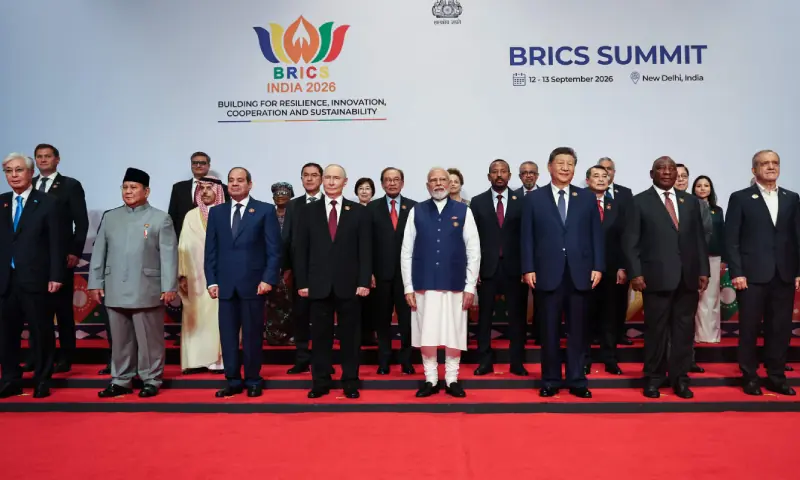
On the second day of Brics talks in New Delhi, leaders from China, Russia and India discussed the concept of "inclusive global growth" after reaching a rare agreement calling for calm in the Middle East. Indian Prime Minister Narendra Modi emphasized the bloc's significance, stating that it represents "50 per cent of the world’s population, 40pc of global GDP and more than 25pc of global trade".
Modi told his counterparts, including Chinese President Xi Jinping and Russian President Vladimir Putin, that "the power of Brics lies in our diversity and cooperation".
The group, established in 2009, aims to increase its global influence and address issues such as conflict, trade turbulence and energy security. Modi reiterated the group's commitment to promoting "inclusive global growth" and said, "We may be rooted in different realities, but together we rise through cooperation and blossom for humanity".
While the talks initially focused on the Middle East conflict, Brics foreign ministers had previously failed to agree on a joint statement in May due to divisions among Iran, Saudi Arabia and the United Arab Emirates over the ongoing war. However, after intense diplomatic efforts led by India, a statement condemning the continued escalation of tensions in the Middle East was issued by the group.
Brics' first visit to India by Chinese President Xi Jinping since 2019 signifies a significant thaw in relations between the two nuclear-armed rivals. Xi's visit comes six years after a deadly military clash along their disputed Tibetan border. Both countries are working to complement each other's strengths and achieve mutual success as they advance together. Despite their differences, both sides remain committed to resolving the boundary question fairly and reasonably.
Written by urgent.news from Dawn's reporting — not their text. Machine-written — may contain errors; check the original before relying on it.
This story
This is one outlet's version. Read the fullest account.