Brics summit ends with push for global peace and greater co-operation
Brics leaders wrapped up their two-day summit in New Delhi on Sunday with calls for greater co-operation among the expanded group, as India sought to position the bloc as a bigger voice in global affairs. Indian Prime Minister Narendra Modi said Brics now offered a platform where the concerns of developing countries could be heard and their experiences taken into account. “ Brics has grown…
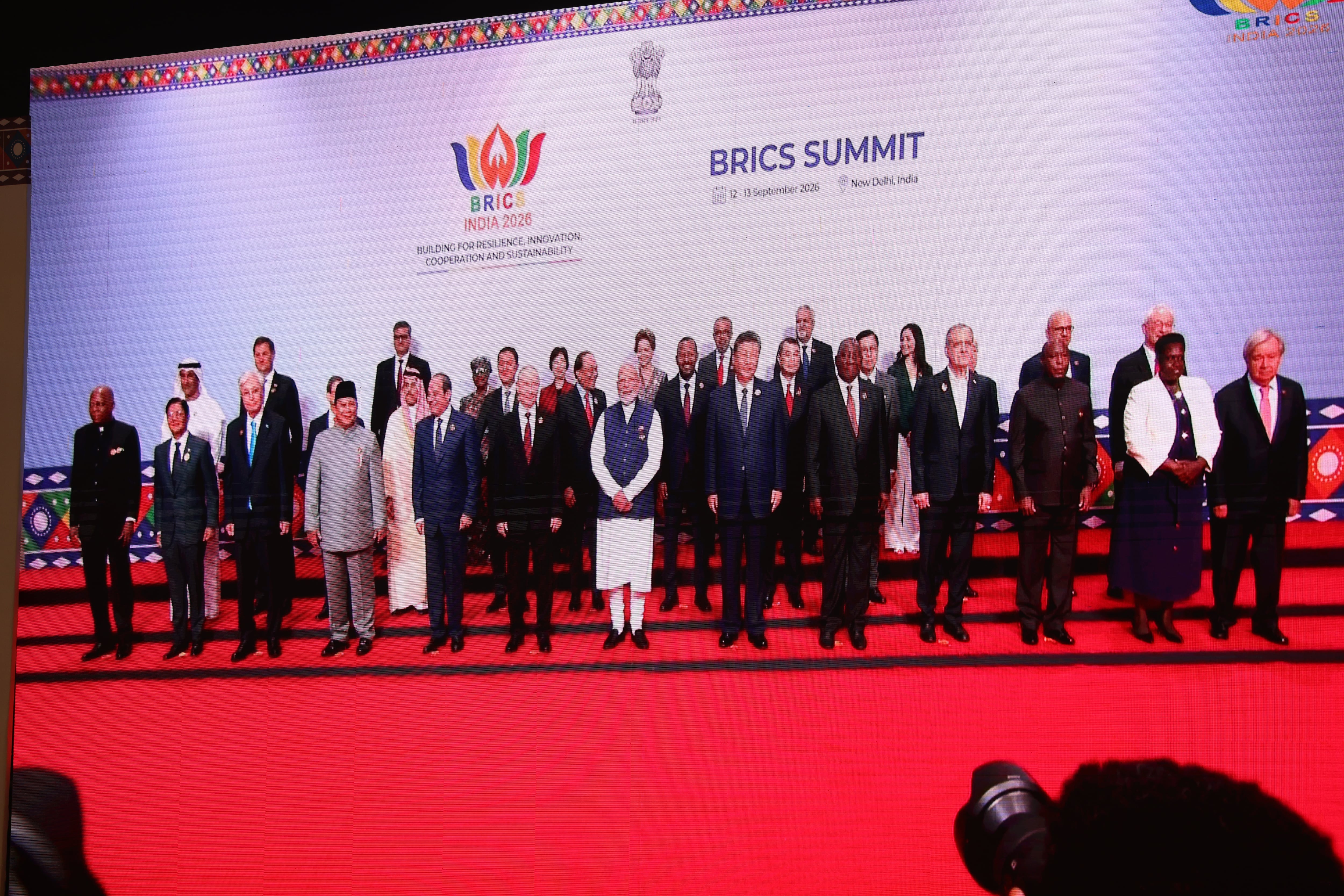
The Brics summit concluded in New Delhi on Sunday with a focus on global peace and increased cooperation among its member nations. Indian Prime Minister Narendra Modi emphasized that Brics now serves as a platform where the concerns of developing countries are heard, and their experiences are taken into account. He called for greater cooperation within the bloc, which represents nearly half of the world's population and 40% of global gross domestic product.
Modi highlighted that despite their diverse backgrounds, the countries can rise through cooperation and benefit humanity.
Chinese President Xi Jinping called for further cooperation among the "greater Brics," suggesting China would assume the group's chairmanship next year and host the 19th summit. Xi proposed five initiatives for greater Brics co-operation in areas such as artificial intelligence, trade and investment, digital industry, smart manufacturing, and talent development.
He also urged the group to play a peacemaking role in the Middle East, criticizing the ongoing Iran war for not serving the common interests of the international community.
Russian President Vladimir Putin welcomed Xi and Indian Prime Minister Modi's readiness to engage in peace talks for Ukraine. The summit also brought together leaders from other member states, including Egyptian President Abdel Fattah El Sisi, Saudi Foreign Minister Prince Faisal bin Farhan, and Iranian President Masoud Pezeshkian. During bilateral talks, the leaders backed a strategic, long-term approach and agreed that differences should not escalate into disputes.
On the first day of the summit, the countries agreed on a joint declaration calling for "maximum restraint" in the Middle East, expressing deep concern over the ongoing tensions and condemning attacks on civilian infrastructure and nuclear sites. They also urged all parties to maintain a ceasefire and ensure unhindered humanitarian access in Gaza.
Written by urgent.news from The National Business's reporting — not their text. Machine-written — may contain errors; check the original before relying on it.
This story
This is one outlet's version. Read the fullest account.