Archibald V. Hill and Otto Meyerhof’s Nobel-winning work on muscle metabolism
Their studies of heat production, oxygen use and lactic acid helped establish how muscles generate and recover energy
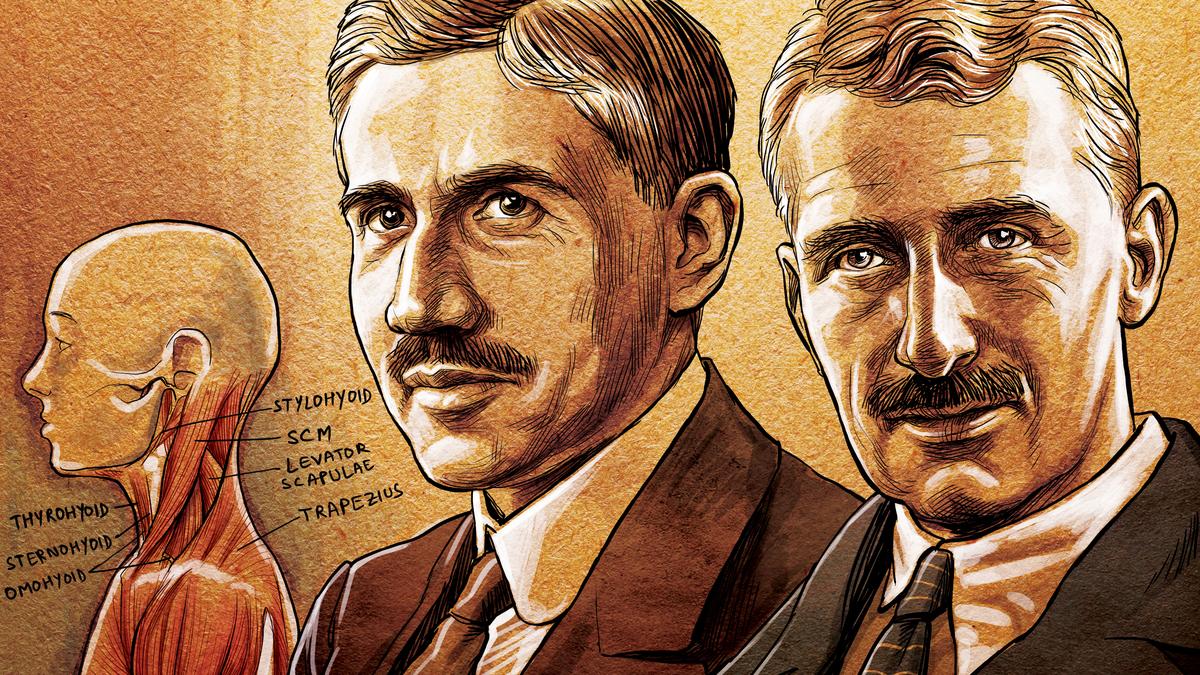
Archibald V. Hill and Otto Meyerhof made groundbreaking discoveries about muscle metabolism that earned them the 1922 Nobel Prize in Physiology or Medicine. Hill focused on the physical aspects of muscle activity, measuring the heat produced and the energy expenditure during contractions and recoveries. Meyerhof, on the other hand, investigated the chemical reactions involved, such as the conversion of carbohydrates into lactic acid and its subsequent metabolism.
Hill's work on measuring recovery heat was crucial in understanding that muscle activity involved distinct phases – the initial contraction and the subsequent recovery process. He demonstrated that this recovery phase required oxygen and was dependent on it. Meyerhof's research provided evidence that lactic acid was formed during muscle activity and that only a fraction of it was later oxidised during recovery, with the rest being converted back into glycogen.
Together, Hill and Meyerhof bridged the gap between the physical and chemical aspects of muscle metabolism. Hill's measurements of heat production and energy expenditure could be explained by Meyerhof's observations on lactic acid metabolism and oxygen consumption. Meyerhof's work on glycolysis and the Pasteur-Meyerhof effect also contributed to the understanding of how cells convert glucose into energy, a concept that greatly influenced the development of modern intermediary metabolism.
Despite the changing terminology and biochemical models over time, the foundational work of Hill and Meyerhof remains significant. Their research established the connection between physiological measurements and chemical processes, paving the way for a deeper understanding of muscle metabolism. Their Nobel lectures, delivered in 1923, highlighted the importance of their work, which continues to shape our understanding of cellular energy transformations over a century later.
Written by urgent.news from The Hindu - Sci-Tech's reporting — not their text. Machine-written — may contain errors; check the original before relying on it.
This story
This is one outlet's version. Read the fullest account.