America’s air monitors are disappearing. So is your power to expose polluters.
Across several states, a quiet chemical industry campaign is making it harder to hold polluters accountable.
The United States' public air monitoring system is deteriorating, leaving communities without a reliable means of detecting dangerous air quality levels. Federal funding for public air monitoring has declined over decades, resulting in a reduced number of monitors and aging equipment located far from major polluters. Wildfire smoke, data centers, and climate-driven heat waves are contributing to increased pollution concerns.
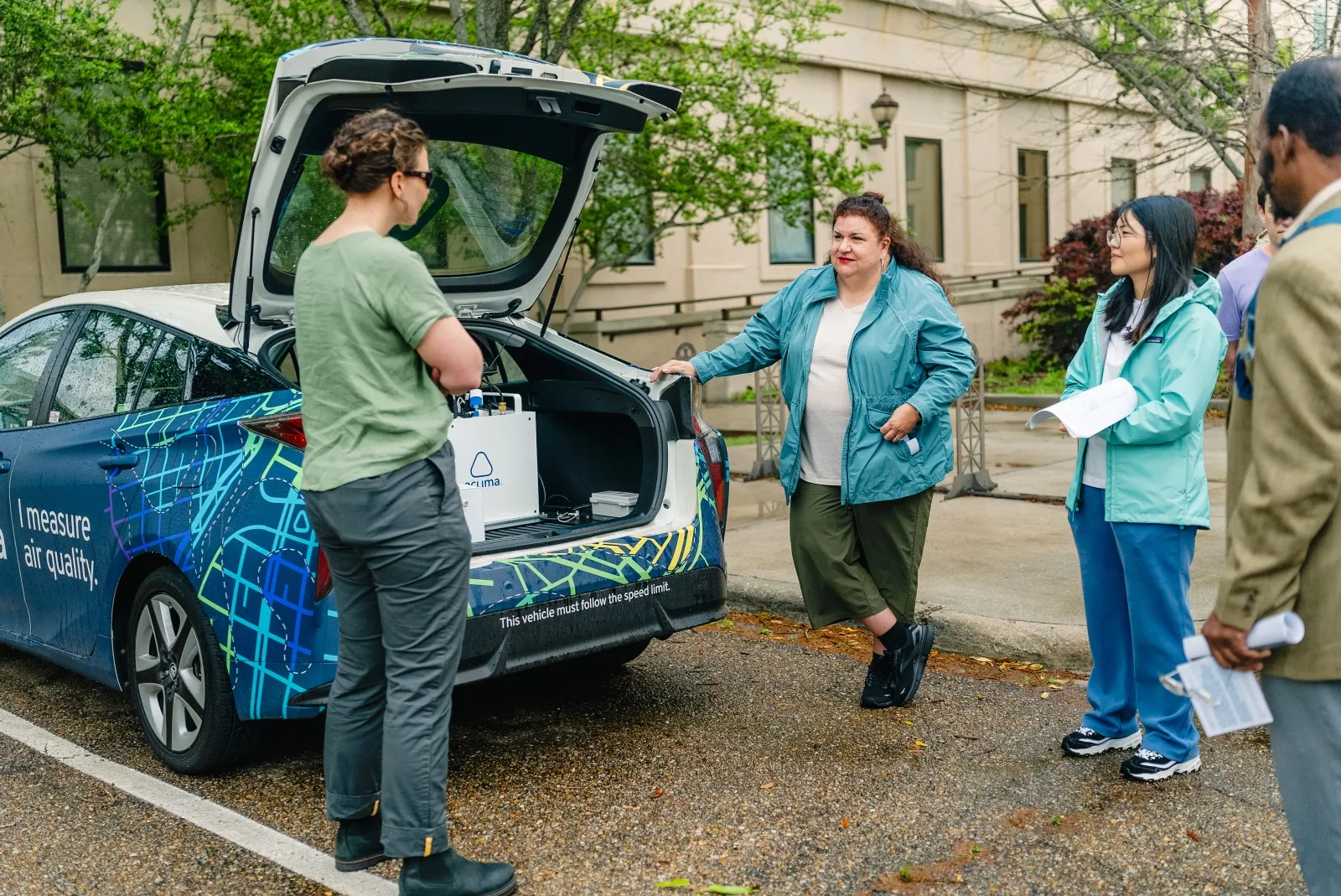
The Trump administration has delayed and rolled back regulations aimed at holding polluters accountable for their emissions. As the public monitoring system weakened, communities turned to low-cost sensors for self-monitoring. However, industry is now seeking to restrict this option as well.
In Louisiana, West Virginia, Ohio, and Kentucky, lawmakers have introduced bills to curb the use of community-collected data in enforcement actions, often backed by chemical or manufacturing trade groups. These bills aim to block regulators from using air-quality data for enforcement unless it meets EPA-approved standards.
Despite arguments that community monitoring isn't reliable enough for regulatory enforcement, proponents claim the bills are designed to prevent accurate monitoring. For instance, Chemours, a chemical company, expressed resistance to a bill intended to ensure data accuracy.
Public air monitors, numbering in the thousands, serve as the nation's early-warning system, detecting pollutants like ozone, carbon monoxide, and carcinogens such as benzene and vinyl chloride. These monitors have grown out of the 1963 Clean Air Act and have significantly improved air pollution tracking. However, the network is showing its age and getting smaller.
Federal grants to support the monitoring network have fallen by more than 35% since the 2000s, with the Trump administration attempting to eliminate them entirely. The number of government air monitors nationwide has declined by nearly half over the past two decades, particularly among monitors tracking toxic chemicals such as vinyl chloride, chloroprene, and benzene.
A Floodlight investigation revealed that for 71 of the 100 largest industrial sources of air pollution in Kentucky, Louisiana, Ohio, and West Virginia, the chemicals released by these facilities are not measured by any government monitor. Hydrochloric acid, sulfuric acid, and methanol are among the chemicals lacking public monitors. Black and low-income people bear a disproportionate share of elevated cancer risks from air toxics.
Written by urgent.news from Grist's reporting — not their text. Machine-written — may contain errors; check the original before relying on it.