Amazon workers on food stamps have tripled despite its record revenue—and it’s just the latest evidence of the new economy of shrinking labor shares
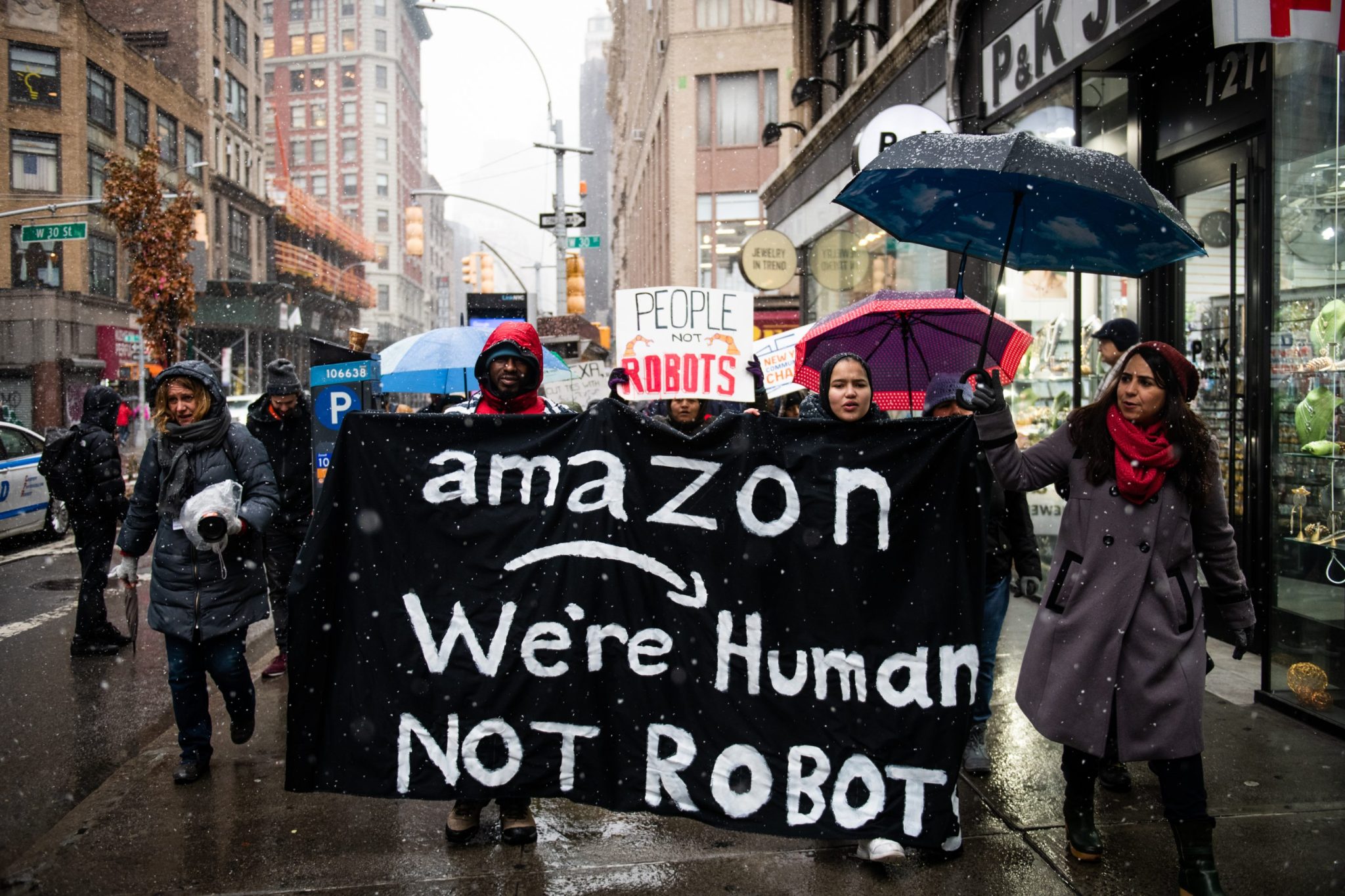
The U.S. workforce is experiencing a troubling trend of shrinking labor shares, meaning American workers are taking home an increasingly smaller percentage of economic output. While corporate profits have skyrocketed and the S&P 500 index has gained 600% over the past century, wages have only increased by 12.5% in the same period, adjusted for inflation. This disparity is taking a tangible form, as evidenced by Amazon's recent inclusion in a Government Accountability Office (GAO) report.
According to the GAO report, Amazon has seen a significant increase in the number of its workers relying on government assistance programs. In 2020, the company had 12,346 workers on the Supplemental Nutrition Assistance Program (SNAP) and 11,338 on Medicaid. This year, those numbers have nearly tripled, with 12,346 Amazon employees on SNAP and 11,338 on Medicaid.
Despite Amazon's record-breaking revenue of $717 billion in 2025, a 12% increase from the previous year, the company maintains that its workforce pay is among the best in the industry.
However, experts warn that the consequences of shrinking labor shares extend beyond just low wages. Kathryn Larin, director for education, workforce, and income security issues at GAO, notes that many of the Americans relying on these assistance programs are working full-time jobs. The income threshold for SNAP eligibility is set at about 130% of the poverty line, indicating that even with employment, these workers are still struggling to meet their basic needs.
Anna Stansbury, an assistant professor of work and organization studies at MIT Sloan School of Management, attributes the trend to the unraveling of the traditional employer-employee relationship. Fewer workers are now represented by unions, and the typical direct employment model has been replaced by a more fragmented, gig-based system.
In this new workplace landscape, companies like Amazon often hire subcontractors or security firms to perform tasks that used to be done by direct employees, allowing them to avoid providing benefits and equity to these workers.
The trend of shrinking labor shares is a result of a 50-year process, according to Stansbury, with factors such as declining union membership and the breakdown of the direct employer-employee relationship playing significant roles. The rise of artificial intelligence (AI) is also seen as a key driver, with experts like Brent Neiman arguing that AI's productivity promises pose the greatest threat to wages.
As companies increasingly rely on AI and other technologies to boost efficiency, they are able to argue that they are providing more value without the associated costs of paying and supporting their workforce.
Written by urgent.news from Fortune's reporting — not their text. Machine-written — may contain errors; check the original before relying on it.