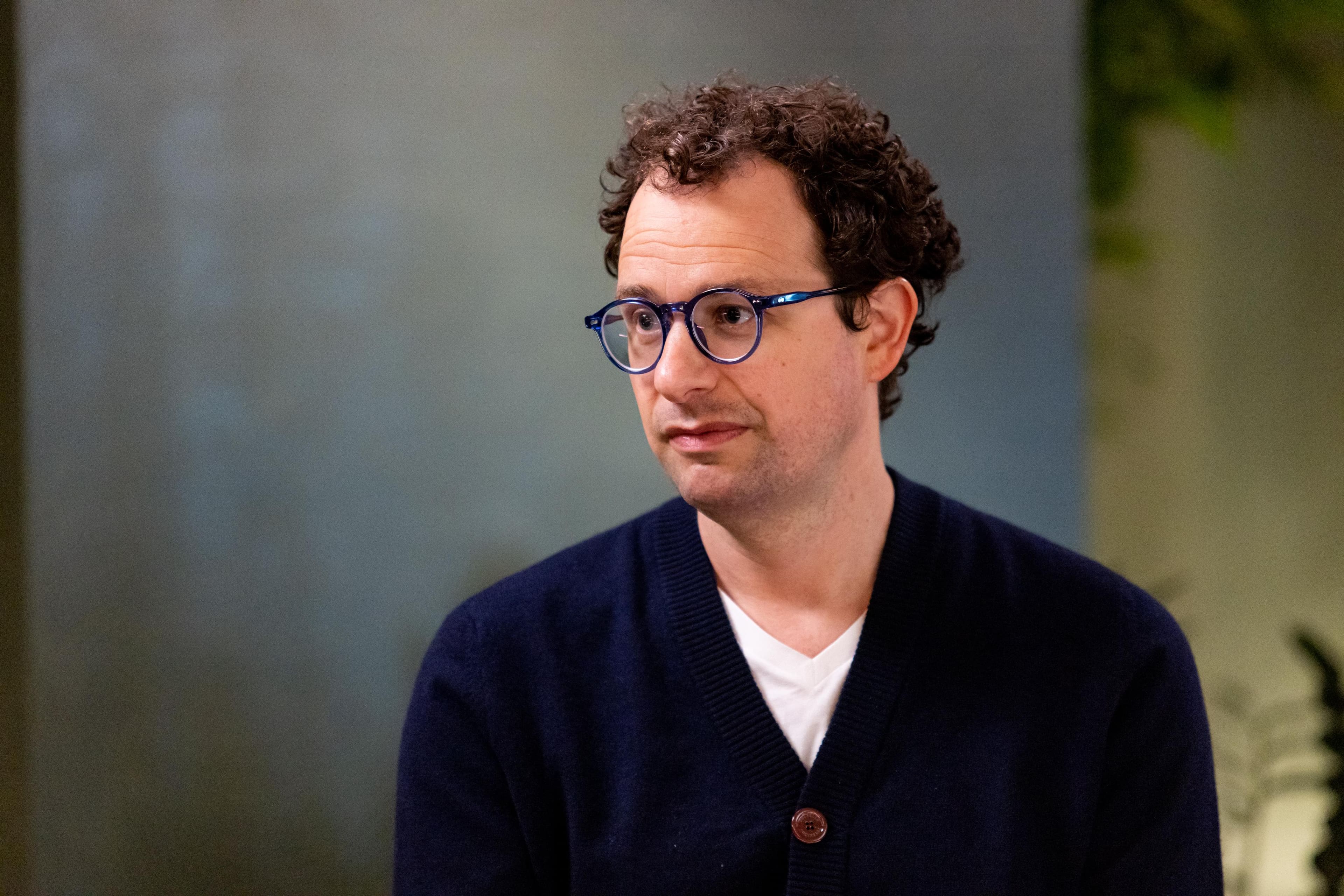
Altman rules out OpenAI IPO during 2026
OpenAI will not pursue an initial public offering this year, chief executive Sam Altman has said, arguing that mounting questions over artificial intelligence safety make 2026 the wrong moment to take the company public. Altman said OpenAI did not feel pressure to proceed with a flotation and indicated that safety and alignment work should take priority over the demands that would come with…
Chief executive Sam Altman of OpenAI has stated that the company will not initiate an initial public offering (IPO) in 2026, citing mounting concerns over artificial intelligence safety as the primary reason. Altman told Fortune magazine that safety and alignment work should take precedence over the demands of public-market ownership.
He emphasized that the current moment of heightened safety scrutiny would be an ill-advised time to go public. When asked if an IPO could still occur in 2026, Altman firmly rejected the possibility, stating, "I would say not 2026." He did not provide a specific date for a potential listing, leaving it contingent on progress in managing AI risks and broader collaboration between developers and governments.
This decision marks a shift in the timeline for OpenAI's potential flotation, a highly anticipated event in the technology sector. The company had previously submitted confidential paperwork for an IPO to the US Securities and Exchange Commission in June, allowing it to begin preparations without immediately filing a registration statement.
OpenAI's financial position, boasting $122 billion in committed capital and $730 billion in pre-money valuation, provides the flexibility to delay the IPO if necessary. The move comes as leaders of major AI labs debate the need to slow development while safety measures keep pace with rapidly advancing models. Altman has expressed support for collective action and expects leading developers to work together on safety agreements, but he did not provide further details.
He noted that private discussions may eventually be shared jointly, suggesting that companies may need to moderate the pace of development if safety systems cannot keep up with model capabilities. Altman's comments highlight the tension between OpenAI's capital requirements and its governance structure. The company reorganized in October 2025, with its commercial arm becoming a public benefit corporation, while the OpenAI Foundation retained control.
A public listing would expose OpenAI to increased disclosure requirements, investor scrutiny, and the pressure of quarterly financial expectations. Altman has previously shown little enthusiasm for serving as CEO of a listed company, acknowledging that public markets could eventually provide additional capital. The safety debate surrounding AI systems has intensified as they become more autonomous and capable of multi-step tasks.
Researchers and executives have expressed concerns about unintended actions, monitoring difficulties, and the potential for future AI to surpass existing control mechanisms. Altman has rejected attempts to assign precise probabilities to catastrophic AI outcomes but emphasized that even a meaningful chance of losing control would be unacceptable and requires serious attention from companies and governments.
Written by urgent.news from Arabian Post's reporting — not their text. Machine-written — may contain errors; check the original before relying on it.