A German founder’s case for why America still needs immigrants
Immigrant founders are central to America’s innovation edge—but sustaining it will require a clearer path for them to stay, build and navigate regulated industries with confidence.
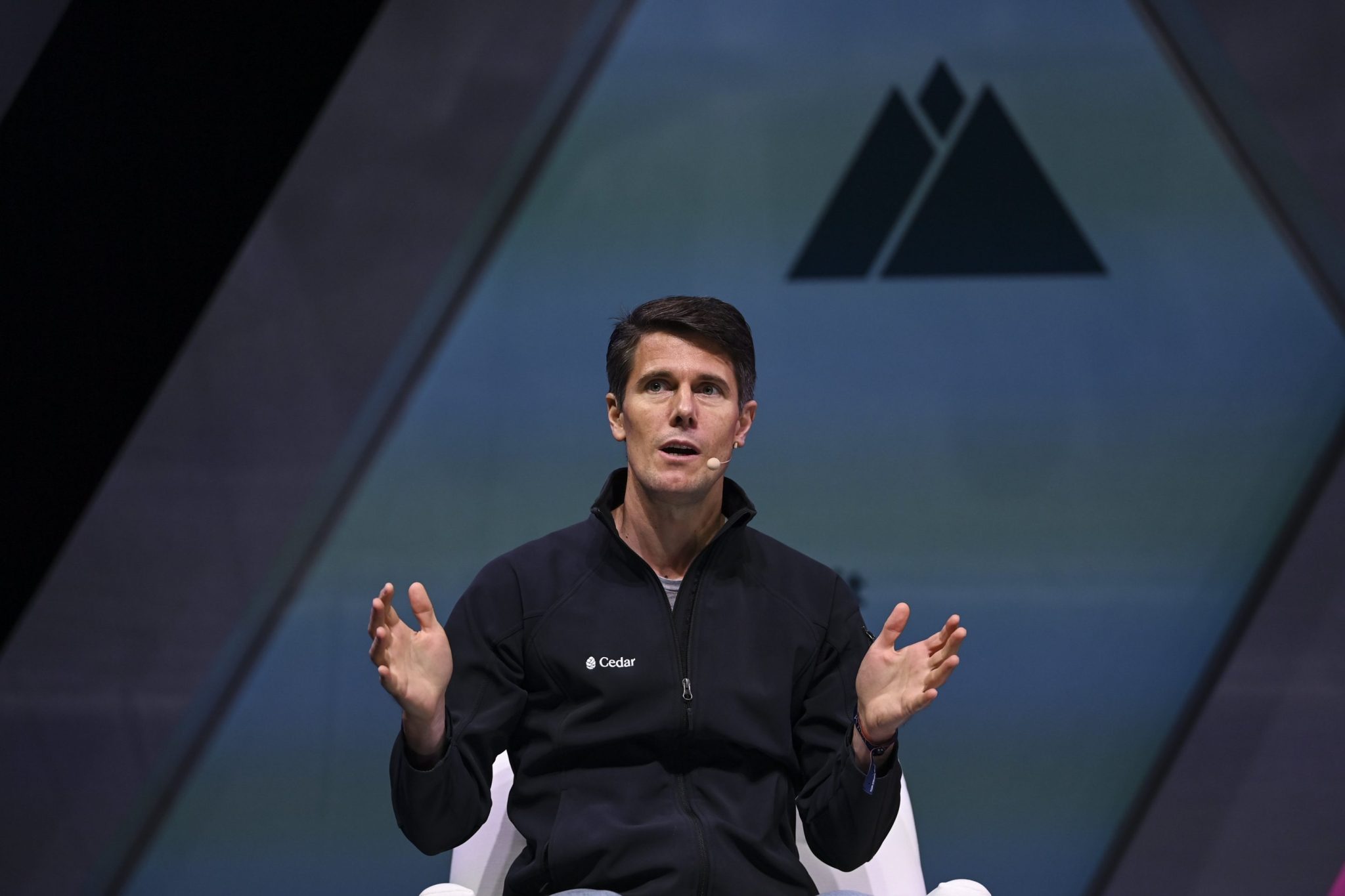
I was born and raised in Germany, a nation that values precision, process, and getting things right from the start. This ingrained mindset shaped my perspective on entrepreneurship. When I first proposed an idea for Cedar, a solution to streamline medical billing for patients, the initial reaction in the U.S. was insightful. Although people recognized the problem, they also expressed cautious optimism about my potential to build a better system.
This reaction aligns with the distinct risk calculus expected from founders raised in countries like Germany. Such a background instills greater scrutiny for established systems and increased caution before investing in untested ventures. This divergence in mindset is more than a cultural quirk; it forms the backbone of America's economic prowess.
For the engine of American economic dominance to thrive, three key elements must intertwine: the individuals daring to take risks, the policies facilitating their long-term presence, and a clear regulatory framework that encourages risk-taking, particularly in regulated industries. When considering the people behind this success, immigrants are not mere contributors to an established system; they are the system itself.
A significant portion of privately held billion-dollar startups in the U.S. was founded or co-founded by immigrants, accounting for 59% this year, up from 55% in previous years. Similarly, nearly 80% of America's unicorn companies have an immigrant founder or a key immigrant leader. This trend extends beyond fledgling startups; it encompasses established entities as well.
In 2025, 46.2% of the Fortune 500 companies, amounting to 231 firms, were founded by immigrants or their children, collectively generating $8.6 trillion in revenue and employing over 15 million people globally. This phenomenon resonated deeply with me. Growing up in a German healthcare system, I was accustomed to its seamless functioning.
Transitioning to the U.S., where the billing process felt convoluted and the patient experience disjointed, was a stark contrast to what I was used to. This discrepancy wasn't just an opportunity; it was a profound shock, one that only manifests when one has witnessed a superior alternative. This shock, more than any market analysis, became the driving force behind Cedar's mission.
While immigrant founders may not possess exclusive access to brilliant ideas, they often possess a broader perspective on what requires improvement. This is largely due to the exposure to multiple versions of 'normal.' Some might argue that the absence of a safety net in immigrant-founded companies could be a disadvantage, as it exposes founders to greater vulnerability in case of failure.
However, this very absence of a safety net dilutes the societal pressure associated with failure. Having left behind one's homeland, language, and societal norms, the fear of failure carries less weight. Thus, building a company with inherent risks appears less daunting. When Cedar began its journey, competitors were already present in the patient billing space.
Many advisors would have suggested forming partnerships or making incremental improvements. However, the allure of starting anew held more appeal for us. Our decision to create something fundamentally different stemmed from the fact that initiating a new venture didn't feel as threatening as it might have to founders with more to lose.
Yet, individuals alone are insufficient without the necessary policies to ensure their long-term stay. The U.S. currently lacks a dedicated startup visa, a policy gap that has long been recognized by researchers and economists. For an individual with a promising idea and no employer sponsor, the prospects of remaining in the U.S. to build their enterprise are limited.
This asymmetry is peculiar, considering America's identity as a nation built on risk-taking. Now, this policy gap poses a threat to the emergence of future transformative technologies. The U.S. employs 59% of the world's top AI researchers, a lead largely driven by the influx of foreign-born talent. To maintain this competitive edge, immigration policy must become more predictable instead of less.
Immigrant founders require certainty regarding the ability to remain in the country, as uncertainty not only deters individuals but also redirects entire cohorts of talent toward nations offering clearer pathways. Lastly, the regulatory environment plays a crucial role in fostering innovation. Founders entering regulated industries, such as healthcare, finance, or defense, often underestimate the complexity that compliance can entail as their companies scale.
In the U.S., where multiple layers of state and federal regulations can overlap unpredictably, ambiguity can hinder innovation. In contrast, clear regulations that are manageable offer a viable path to building a sustainable business. This clarity, which encourages innovation, must be preserved and openly acknowledged, especially as first-generation founders increasingly venture into regulated sectors.
Written by urgent.news from Fortune's reporting — not their text. Machine-written — may contain errors; check the original before relying on it.