Why humans and apes still laugh in a similar rhythm after 15 million years of evolution
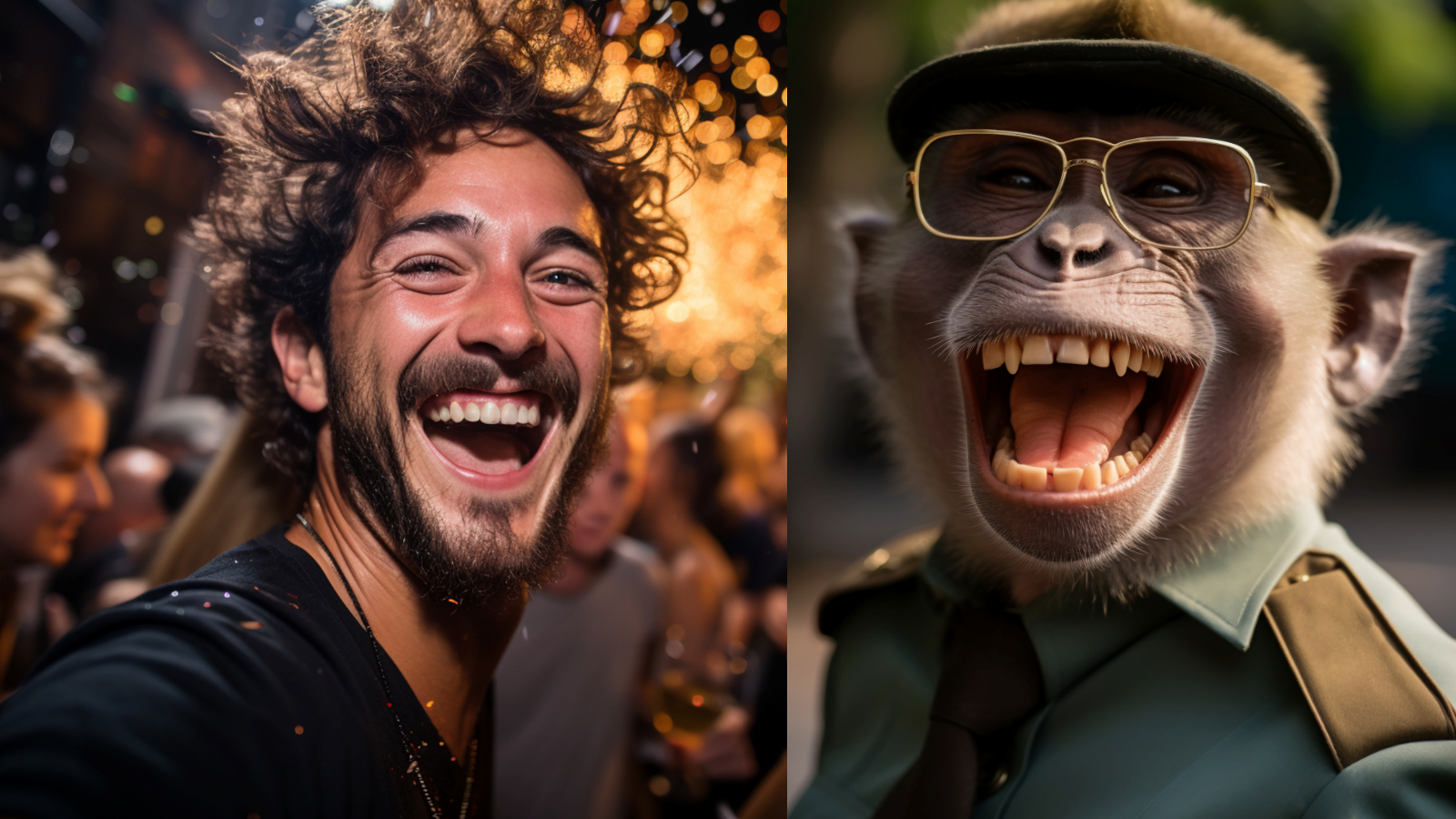
A study from UK scientists reveals an intriguing similarity between human and great ape laughter, stretching back 15 million years. Researchers examined laughter recordings from children and young apes, including chimpanzees, bonobos, gorillas, and orangutans, focusing not just on the sound but on the timing, breaks, and rhythm of the laughter.
Surprisingly, despite millions of years of evolution, the basic rhythm of laughter remained remarkably consistent across species. Chimpanzees and bonobos, being more closely related to humans, displayed faster, more human-like patterns. In contrast, gorillas and orangutans were slower but still adhered to the same underlying timing structure.
What sets human laughter apart is its flexibility. Unlike other great apes, humans can control various aspects of laughter, such as its volume, politeness, and contagiousness, depending on the social context. This ability to shape laughter for different situations is a unique feature of human communication. The study, published in Communications Biology, suggests that this ancient laughter pattern may have originated from a common ancestor of humans and great apes.
Beyond shedding light on our evolutionary history, the findings could also provide valuable insights into the evolution of human speech. Given that laughter involves controlled breathing and vocal timing, researchers posit that it could have served as a precursor, honing the brain and vocal mechanisms necessary for more complex language development.
Essentially, every time we laugh today, we might be echoing a sound that has been part of our evolutionary narrative for millions of years.
Written by urgent.news from The Indian Express - Lifestyle's reporting — not their text. Machine-written — may contain errors; check the original before relying on it.
This story
This is one outlet's version. Read the fullest account.