Why do women make up 71% of South Africa’s new lenacapavir users?
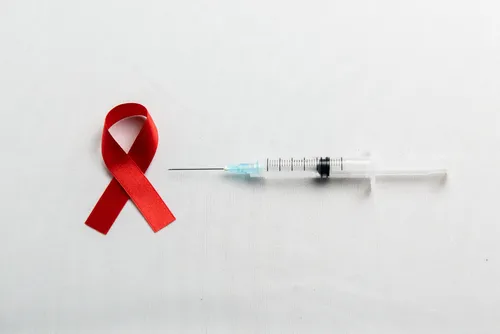
More than 55,000 people had started twice-yearly lenacapavir PrEP in South Africa by 7 September, with women accounting for 71% of initiations. The Department of Health says pregnant and breastfeeding women are among the priority groups.
South Africa has introduced new electricity pricing rules after an 18-year absence. The policy, set by the national energy regulator, state-owned electricity utility Eskom, and municipalities, aims to establish fair and clear electricity prices while ensuring sufficient funds are available to maintain the electricity system and support low-income households. The policy updates rules to reflect significant changes since 2008, including the entry of private power producers and increased rooftop solar power usage.
The draft policy acknowledges that Eskom is no longer the country's sole major electricity producer, with private companies and organizations now playing a larger role in generating, transmitting, and distributing electricity. This shift aims to ensure that paying customers are not burdened for unpaid bills or other losses in the electricity system, potentially making electricity prices fairer.
However, the new pricing policy has weaknesses. It does not guarantee more free electricity for South Africa's poorest households, who are currently entitled to a limited amount each month. The government must update both policies together, explaining how increased free electricity will be funded, how it fits into the new tariff system, and how municipalities and Eskom will ensure that every qualifying household receives the benefit.
The policy correctly identifies Eskom's challenges as the state-owned electricity utility, including the need to account for unpaid bills, electricity lost through faulty infrastructure, and shifts in costs due to the rise of off-grid households. However, it does not guarantee increased free electricity for qualifying households, which remain largely unaccounted for.
To address this issue, the government should ensure that those who qualify receive the additional free electricity and that the process is transparent and accessible.
Written by urgent.news from The Citizen's reporting — not their text. Machine-written — may contain errors; check the original before relying on it.
This story
This is one outlet's version. Read the fullest account.
- South Africa has new electricity pricing rules after 18 years: what it gets right and wrong citizen.co.za
- Nigeria says 2 of its nationals killed in South Africa as anti-migrant tensions flare winnipegfreepress.com
- Xenophobia: FG demands probe into killing of two Nigerians in South Africa nairametrics.com
- The 2026 NRF Awards celebrate South Africa’s research and science stars mg.co.za
- Xenophobia: Two more Nigerians killed in South Africa, toll rises to seven premiumtimesng.com
- South Africa and Lesotho destroy 1,787 seized firearms iol.co.za