Warren Buffett keeps turning to the same ETF for a reason
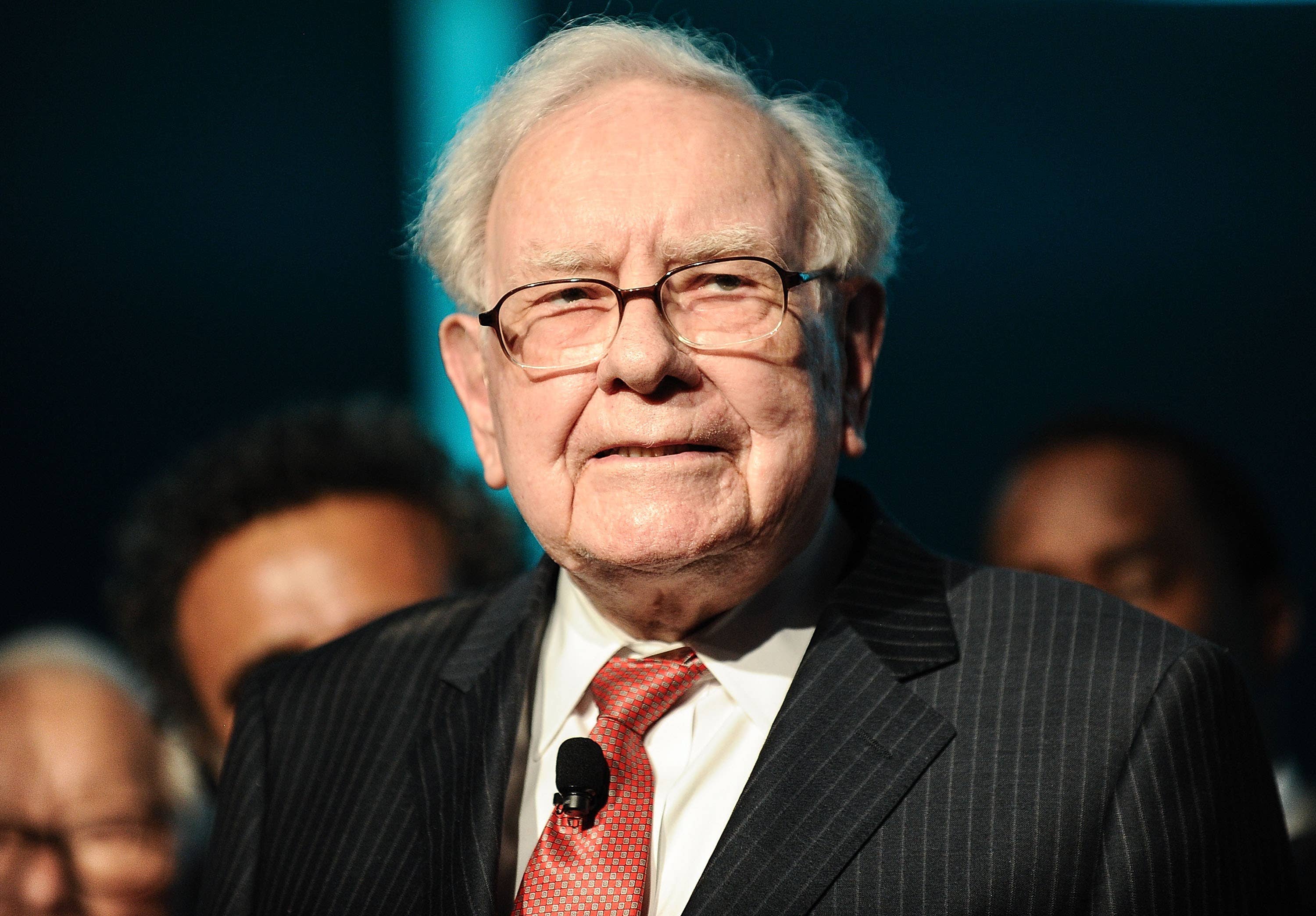
Warren Buffett's long-standing investment strategy has centered around low-cost index funds, like those offered by Vanguard, rather than individual stock picking. This advice, which Buffett outlined in his will and reiterated in Berkshire Hathaway's shareholder letters, aims to minimize costs and avoid the pitfalls of actively managed funds.
The Vanguard S&P 500 ETF, in particular, provides investors with exposure to 500 of America's largest companies across various sectors, charging an expense ratio of just 0.03%. This structure, Buffett argued, allows for automatic inclusion of successful companies while excluding those that don't meet market capitalization, liquidity, financial viability, and profitability criteria.
Despite Berkshire Hathaway's stock delivering a compound annual return of around 19.7% during Buffett's tenure, he never expected regular investors to replicate this kind of performance. Instead, he advised them to invest in low-cost index funds, one of which is the S&P 500 ETF. Buffett's recent retirement as CEO has seen Berkshire's stock portfolio handed over to Greg Abel, who has continued to follow Buffett's advice by concentrating capital in select investments.
Notably, Buffett has been a net seller of stocks for 14 of the last 15 quarters, but he remains committed to the index fund strategy he recommended for regular investors.
Written by urgent.news from Yahoo Finance's reporting — not their text. Machine-written — may contain errors; check the original before relying on it.