Twenty-five years after 9/11, Americans reflect on attack that changed a nation
The attacks shaped generations of Americans who lived through the day or grew up in its aftermath, influencing US foreign policy, domestic politics and public attitudes toward security.
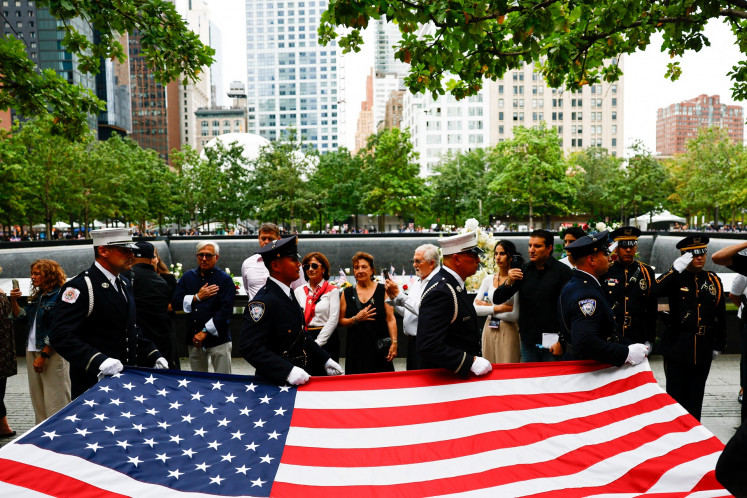
Twenty-five years after the September 11 attacks, Americans reflect on the tragic event that forever changed the nation. The attacks claimed nearly 3,000 lives and reshaped U.S. foreign policy, domestic politics, and public attitudes toward security. In New York City, family members of victims gathered at Ground Zero in Lower Manhattan to honor the deceased, with Vice President JD Vance and four former U.S. presidents in attendance.
The ceremony began with a moment of silence at 8:46 a.m., the time American Airlines Flight 11 struck the World Trade Center's North Tower. Family members then read aloud the names of all 2,977 victims who perished on September 11, along with six others who died in the 1993 World Trade Center bombing. The recitation lasted about four hours, a stark reminder of the passage of time.
Moments of silence followed to mark the crashes of the other three planes and the collapses of the twin towers. For the first time, a seventh moment of silence honored the thousands of deaths since 2001 due to illnesses linked to the toxic dust that lingered in the air. Gregory Carafello attended the ceremony to pay tribute to his lifelong friend James Martello, who worked at Cantor Fitzgerald and lost 650 colleagues in the attacks.
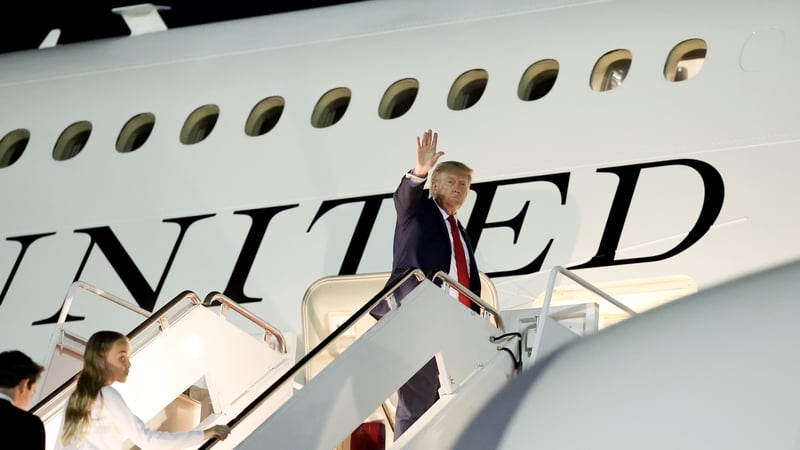
Carafello, who survived the disaster, emphasized that the day was a "very bad, catastrophic day" for many families. At the Pentagon in Arlington, Virginia, U.S. President Donald Trump honored the lives lost when American Airlines Flight 77 crashed into the building's west flank, killing 184. Trump and Defense Secretary Pete Hegseth used their speeches to advocate for the ongoing war against Iran, which they believed was essential to prevent the Islamic Republic from acquiring nuclear weapons.
At Shanksville, Pennsylvania, mourners gathered at the crash site of United Airlines Flight 93, where passengers thwarted the hijackers and brought the plane down, preventing it from reaching its intended target in Washington. The attacks reshaped the nation, leading to the "war on terror" and the U.S. invasions of Afghanistan and Iraq.
The ensuing public backlash contributed to Donald Trump's rise to presidency, as he promised not to engage in new foreign entanglements—an oath that proved challenging to uphold in the years that followed. While many Americans expressed solidarity and patriotism, Muslim Americans and immigrants from Muslim-majority countries faced increased prejudice and hate crimes in the aftermath of the attacks.
The events of September 11 2001 had a profound impact on generations of Americans, influencing their perceptions of security and the world beyond their immediate experience.
Written by urgent.news from The Jakarta Post's reporting — not their text. Machine-written — may contain errors; check the original before relying on it.