Therapeutic gardening improves mental health for adults with chronic conditions
A recent review of scientific literature reveals that therapeutic gardening offers a moderate boost to mental health for adults with chronic diseases, though the benefits for physical health conditions are much less pronounced.
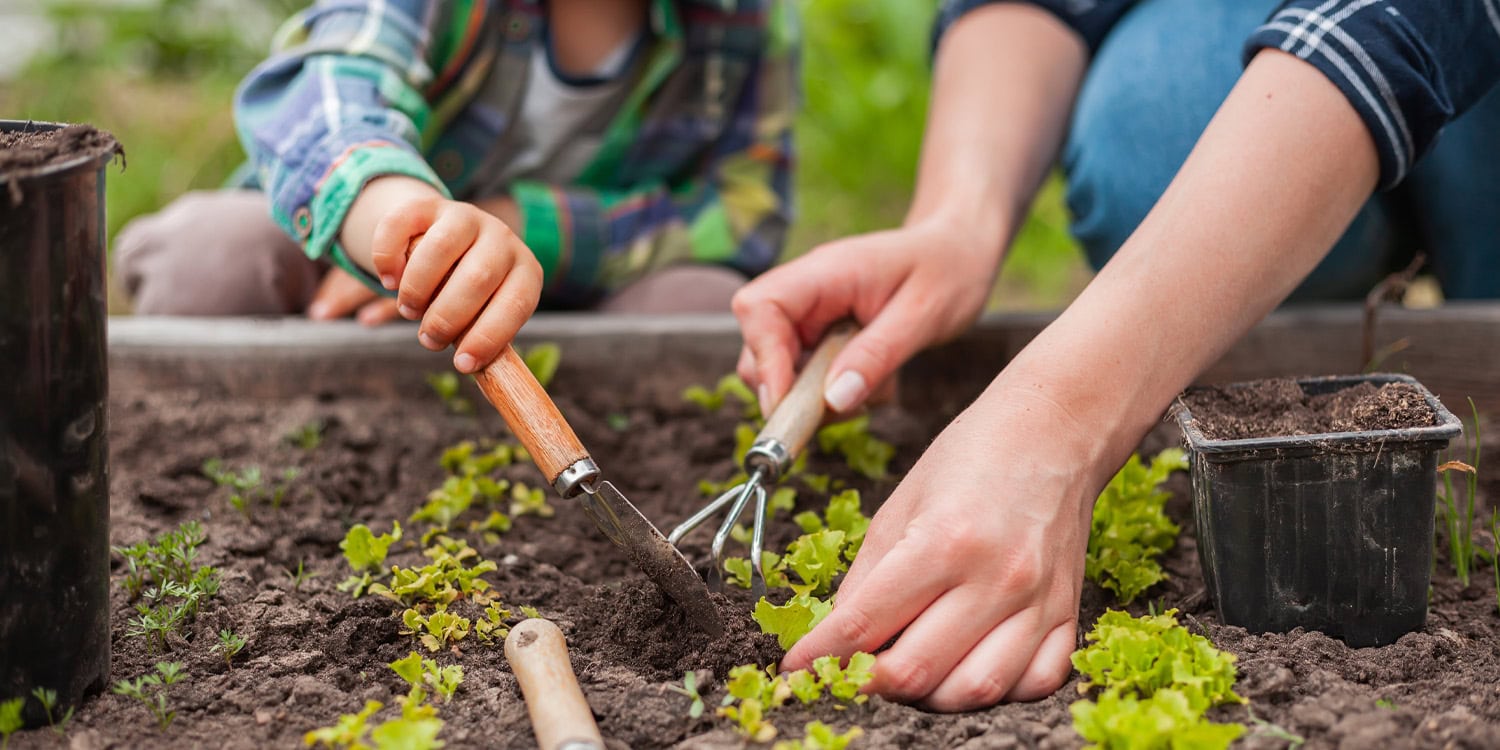
Engaging in gardening activities may provide a modest enhancement to mental well-being for adults coping with chronic health conditions, according to a recent study published in BMC Public Health. The research, conducted by Feifei Wang of Fudan University and Szilvia Boros of Széchenyi István University, analyzed 23 studies involving a total of 4,535 participants.
These adults, with an average age of 54, were primarily women and had various chronic conditions such as cardiovascular disease, arthritis, diabetes, dementia, anxiety, and depression.
The study focused on three main categories: mental health, physical health, and general health. Mental health outcomes, including depression, anxiety, and mood, showed a moderate improvement in participants who engaged in gardening activities, such as planting, tending, and harvesting. However, the study found weaker effects on physical health indicators, like blood pressure and cognitive function, and minimal changes to overall general health, such as pain levels, sleep quality, and social connectedness.
The researchers noted that while gardening involves physical movement, the intensity may not be sufficient to significantly impact physical disease progression in a short period. Sensitivity analysis, which excluded studies with high risk of bias or low-quality methodology, further strengthened the positive effect of gardening on mental health while leaving the evidence for physical and general health benefits weak and not statistically significant.
The study's limitations include the high heterogeneity of the trials, varying in methods, duration, and intensity of gardening programs. Additionally, some studies had methodological challenges, such as selection bias and the lack of randomized participant placement. Due to these limitations, the researchers caution against drawing definitive conclusions about the optimal type or duration of gardening activities for therapeutic purposes.
Further research with more standardized methods is needed to better understand the potential benefits of therapeutic gardening for adults with chronic health conditions.
Written by urgent.news from PsyPost's reporting — not their text. Machine-written — may contain errors; check the original before relying on it.