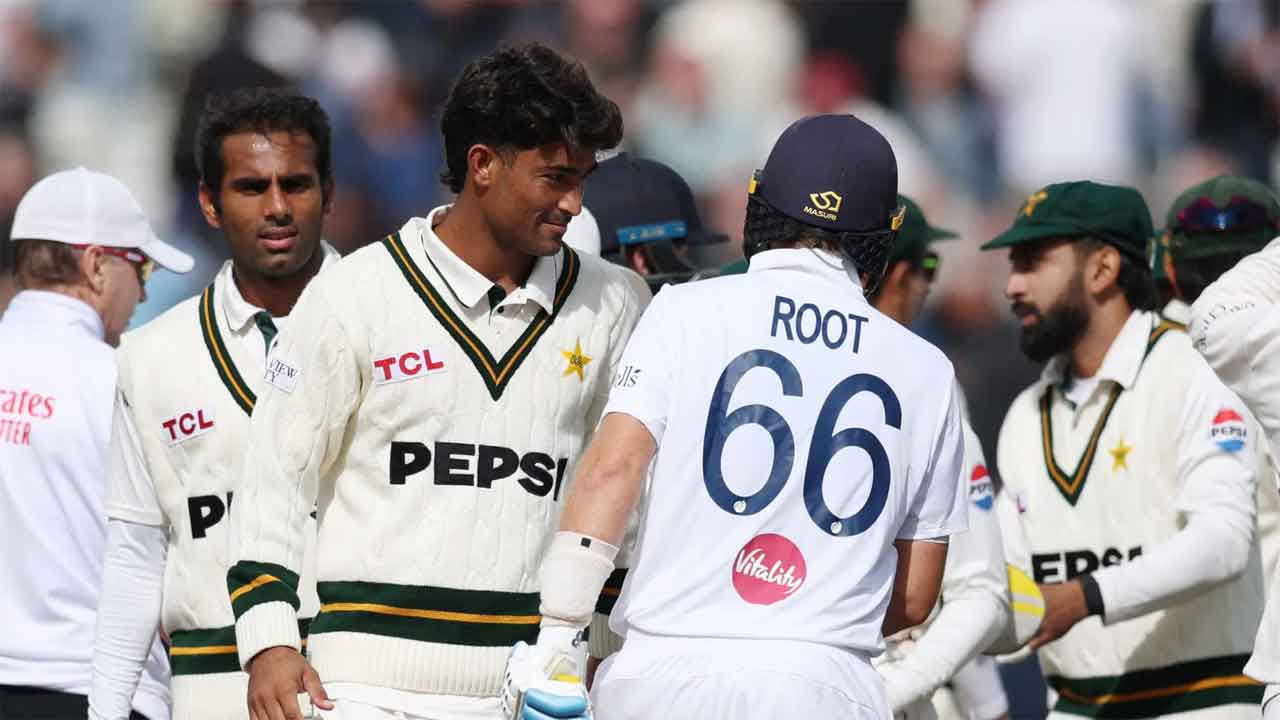
Theatre audiences still show up. So why do so many shows fail to make money?
Recent cancellations of major musical theatre productions, including Waitress and Beetlejuice, have raised an obvious question: has Australian theatre become too expensive?
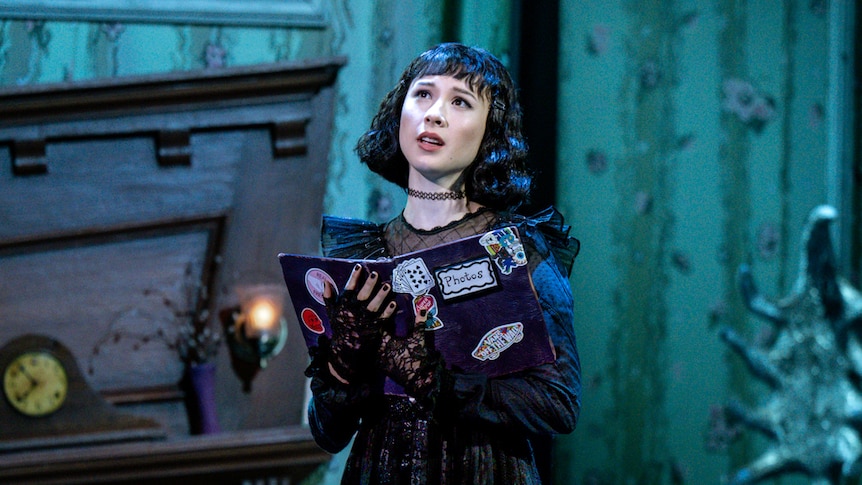
Australians continue to attend theatre performances, yet many productions still fail to turn a profit. Despite higher attendance numbers, theatre companies struggle financially due to various costs that defy traditional efficiency gains seen in other industries. The Australian Bureau of Statistics' 2025 General Social Survey shows that 22.8% of Australians aged 15 and over have attended a theatre performance in the past year.
Reviewing the financial statements of major theatre companies reveals a troubling trend: increased box-office revenue hasn't directly translated into profitability. Queensland Theatre, for example, saw a 5.6% increase in its mainstage audience and 42% growth in box-office revenue in 2025, yet still recorded a $989,000 deficit. Similarly, Bell Shakespeare and Sydney Theatre Company faced rising expenses that outpaced their revenue growth, despite still needing input from grants and philanthropy to turn their deficits into surpluses.
Theatre company expenses include wages for performers, rehearsals, venue hire, performance rights, insurance, and marketing, among others. Even a modest production requiring 11 actors, four weeks of rehearsals, and a four-week season can cost at least $154,400 in performer salaries alone. This doesn't include the costs of directors, designers, technicians, and other crew members. The cost of producing theatre remains stubbornly human and expensive, a phenomenon economist William Baumol termed the "cost disease."
While cutting costs through smaller casts or shorter plays can help, it eventually leads to a loss of the very essence of theatre. Increasing ticket prices can also exacerbate the problem, turning a cost issue into an audience problem. Public funding alone is unlikely to solve the issue, but a combination of increasing audience attendance, increased funding from non-traditional sources, and targeted government incentives could create a more sustainable model.
Options include tax relief schemes like the one available in the UK, refundable production incentives similar to those for screen productions, and government-funded cultural passes for young people to encourage attendance. These solutions, along with continued public funding support, offer a more realistic and balanced approach to preserving the essential human element of theatre.
Written by urgent.news from ABC News AU's reporting — not their text. Machine-written — may contain errors; check the original before relying on it.