The world reconsiders America
America is shedding its status as the default choice for foreign governments to park money, buy weapons and send students. Why it matters: Even modest shifts away from the U.S. could chip away at advantages that have helped sustain American economic and geopolitical power for decades. Driving the news: The Netherlands moved 86 tons of gold out of the U.S. and Canada last week, citing the move as…
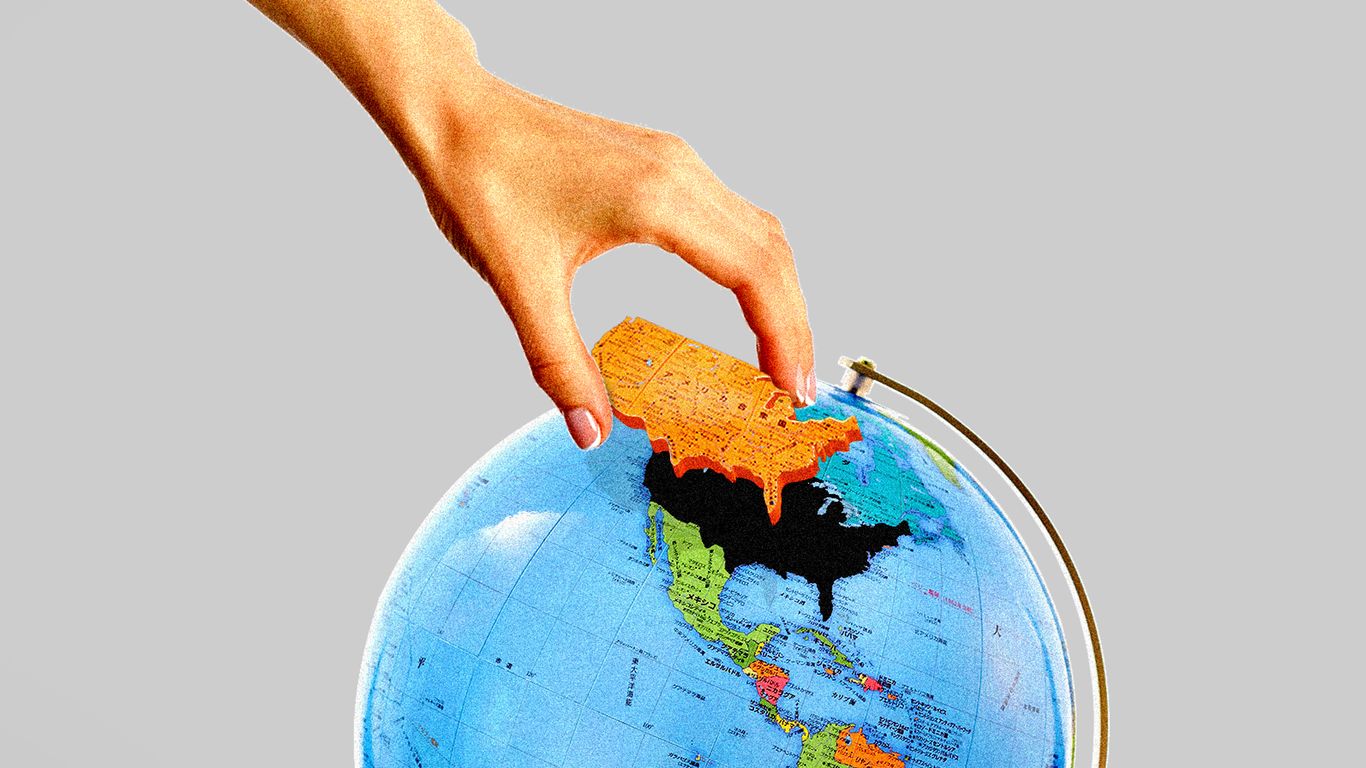
In recent times, America's role as the go-to destination for foreign governments to store wealth, acquire weaponry, and send students is being reevaluated. This shift could gradually erode the advantages that have bolstered American economic and geopolitical influence for generations. The Netherlands recently transferred 86 tons of gold from the U.S. and Canada, deeming it a strategy to protect against extreme systemic risks.
France has already relocated all its gold holdings from New York, while Germany is contemplating a similar action. Norway's sovereign wealth fund, the world's largest, has announced intentions to decrease its investments in U.S. government bonds due to volatility in the Treasury market.
In the realm of defense, European nations are seeking alternatives to their dependence on American weaponry. Reports suggest that Europe is striving to procure equipment locally to reduce reliance on American firepower. Simultaneously, the European Union has unveiled plans to diminish its dependence on American technology companies. This includes drafting cloud regulations that would hinder Amazon, Google, and Microsoft from competing for sensitive contracts.
On the technological front, global individuals are also reevaluating their connection with the U.S. Applications from international students for U.S. universities plummeted by 10% in the latest admissions cycle. Stringent international student visa regulations and the Trump administration's tough immigration policies have played a significant role in this decline.
Additionally, international tourism to the U.S. decreased by 5.5% in 2025, marking the first drop since the pandemic. This decline began with Canada, which saw a 25% reduction in visits last year, with the trend continuing into early 2026. German tourism to the U.S. has also dropped by 25% since the onset of the Trump administration, with travel associations attributing this to political factors.
According to a recent Pew study, America's standing has been particularly affected in the West. Only Hungary and Poland, out of 10 countries surveyed, have majorities that still regard the U.S. as a dependable ally. Across all 10 countries, including those led by right-wing populists, there is a widespread lack of confidence in President Trump to act appropriately in international affairs.
However, it's important to note that this is not a complete severing of ties with the U.S. The dollar's supremacy remains secure, allies heavily rely on American military capabilities, and the U.S. continues to be the leading destination for international students. The focus now is on monitoring whether Germany, Italy, and Spain will intensify their debates at home regarding the retention of gold reserves in the U.S.
Written by urgent.news from Axios's reporting — not their text. Machine-written — may contain errors; check the original before relying on it.
This story
This is one outlet's version. Read the fullest account.
- 'AMERICA'S DARKEST DAY': Newspaper headlines from around the world after 9/11 businessinsider.com