The push for a sustainable artisanal mining in the Peruvian Amazon
MADRE DE DIOS, Peru — In Madre de Dios, in the Peruvian Amazon, thousands of people depend on gold mining, while the spread of mercury and deforestation are transforming the country’s most biodiverse tropical forest. In La Pampa, one of the region’s main gold mining hubs, a formalized artisanal mining operation is trying to prove […]
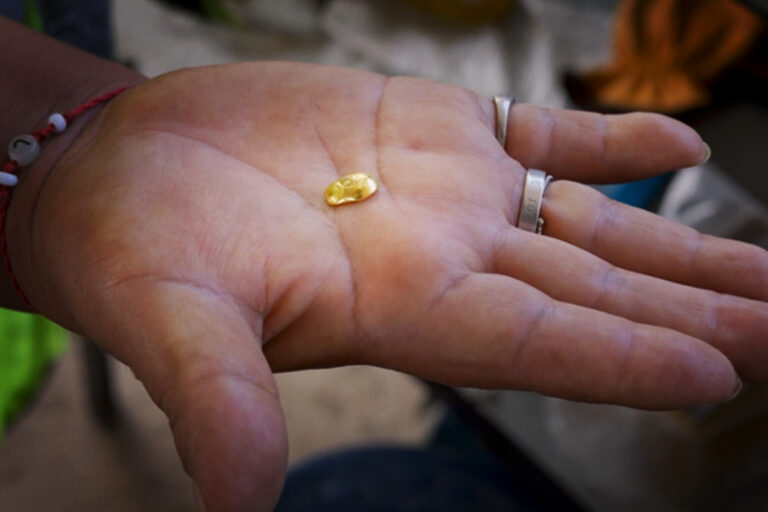
In Madre de Dios, a region in Peru's Peruvian Amazon, the livelihoods of thousands hinge on gold mining. However, the environmental impact is severe, with mercury contamination and deforestation altering the country's most biodiverse tropical forest. La Pampa, a key gold mining hub in the region, hosts a formally organized artisanal mining enterprise attempting to demonstrate a more sustainable approach to mining.
Despite encountering obstacles such as roadblocks, violence, informal economies, and governmental neglect, the operation strives to produce "clean gold" using mercury-free technologies.
The documentary delves into the lives of workers, merchants, and small-scale miners, shedding light on the conflicting dynamics of survival, pollution, and legitimacy within one of the Amazon's most intricate extractive economies. This video is backed by the Amazon Film Grant, as part of the One World Media Fellowship. Mongabay's Video Team aims to address matters that resonate with you.
If there are compelling individuals, pressing issues, or local narratives you believe should be covered, please reach out to us. Your input is essential in shaping our reporting process.
Written by urgent.news from Mongabay's reporting — not their text. Machine-written — may contain errors; check the original before relying on it.