South Africans join Thais and Americans in rejecting data centers as clashes over water and power resources mount
South Africa faces opposition to new data centers as communities question electricity, water, and transparency issues surrounding digital infrastructure expansion.
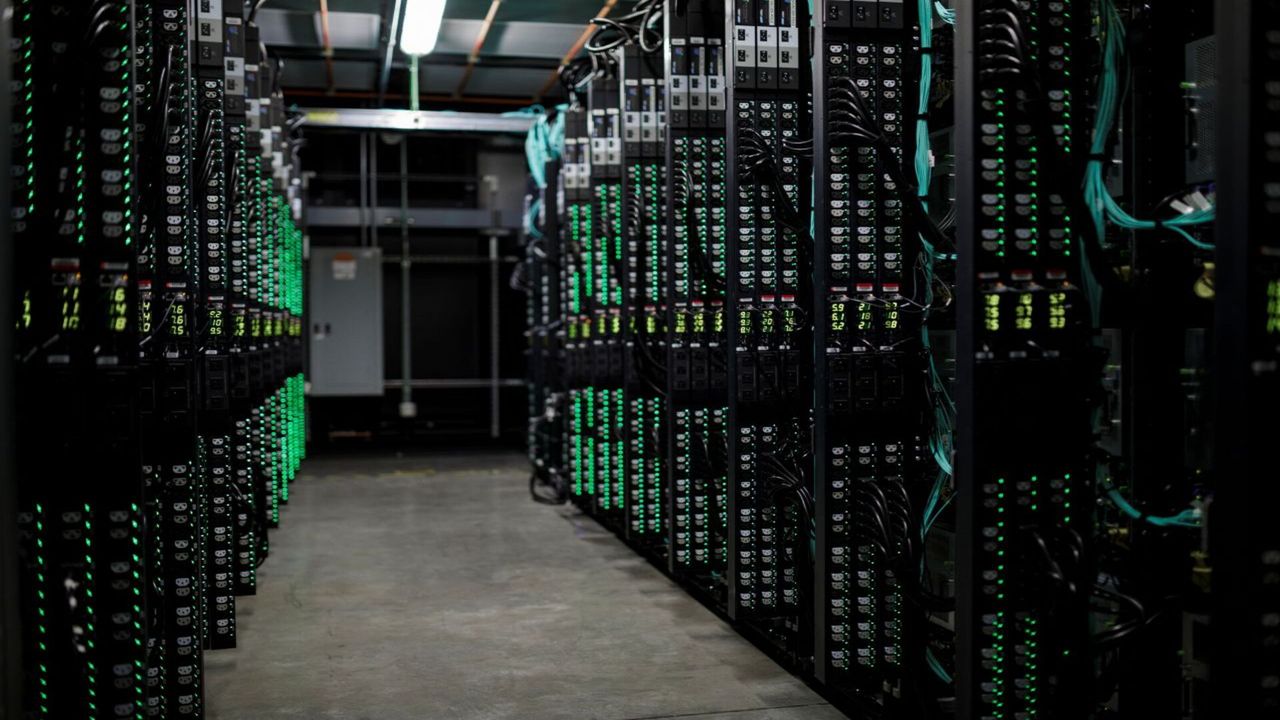
South African residents are challenging the construction of new data center projects, citing concerns over water and power resource shortages similar to those faced in Cape Town. Civil rights organizations across the nation are advocating for a halt in the approval of additional facilities until resource impacts can be thoroughly examined. This stance aligns South Africa with Thailand and the United States, where comparable opposition has emerged in recent months.
President Cyril Ramaphosa views the country's 70% data center capacity as an economic opportunity, attracting major tech firms like Amazon, Microsoft, and Equinix. However, South Africans are primarily concerned about the lack of transparency regarding government handling of concerns such as electricity and water demand, land use, infrastructure requirements, and environmental impacts.
Dr. Eileen Carter, leading the South African Human Rights Commission, noted that over 250 public submissions were collected, with key issues surrounding information transparency.
A contentious project involves an Equinix hyperscale facility in Cape Town, reminiscent of the "Day Zero" water crisis in 2018. The proposed facility alone is estimated to consume approximately 160 megawatts of electricity, reigniting concerns over the nation's power outages. Eskom, South Africa's power utility, reported a surplus during winter peak-demand season this year, yet civil society remains wary that this surplus could be diverted to power new data centers.
Investors and operators argue that current data center operators in South Africa remain unrequired to disclose their water, electricity, and land commitments upfront, which they believe creates uncertainty. Sasha Booth-Beharilal, chair of the Internet Service Providers Association, maintains that data centers are not driving electricity demand surges or tariff increases.
Operators caution against comparing local projects to larger American facilities, stating that resource footprints differ significantly between the two regions.
The validity of a temporary construction pause to clarify regulations remains uncertain, as it may either delay much-needed digital investment or produce clearer rules.
Written by urgent.news from TechRadar's reporting — not their text. Machine-written — may contain errors; check the original before relying on it.