Scientists knew Mercury was shrinking. They didnt know the true extent.
Mercury is shrinking up to 30 percent more than thought, according to a new study on the solar system's closest world to the sun.
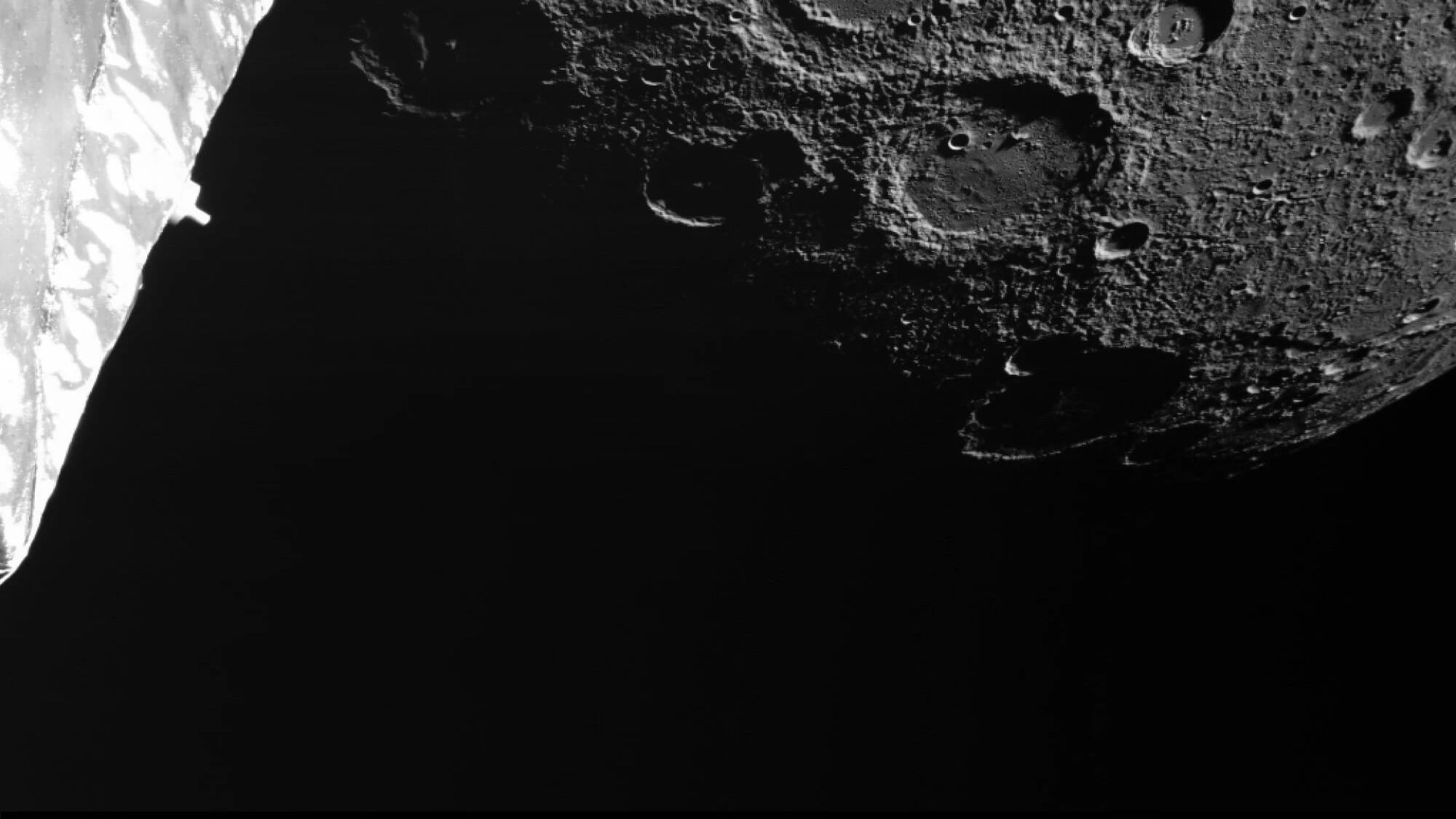
Scientists have discovered that Mercury, the solar system's smallest planet, has shrunk significantly more than previously estimated. Mercury, which orbits the sun closest, is a small rocky world that has been continuously losing heat since its formation 4.5 billion years ago. As its iron core cools, the entire planet contracts, creating surface wrinkles such as cliffs and mountainous ridges.
A new study reveals that Mercury has lost up to 14.5 miles (14.6 km) of its diameter since its birth, which is a substantial amount considering the planet's overall width is only 3,000 miles (4,828 km).
Researchers believe that their previous estimates of Mercury's shrinking may have been underestimated due to the rough terrain obscuring the true extent of the damage. Thirty percent of the reduction in the planet's diameter is more than what the visible tectonic record suggests. Gaku Nishiyama, a planetary scientist at the German Aerospace Center Institute of Space Research and lead author of the study, stated, "Thirty percent is a little bit surprising, but the corrected amount of contraction actually makes sense to me."
Written by urgent.news from Mashable's reporting — not their text. Machine-written — may contain errors; check the original before relying on it.