Reimagining Human Progress: Can Economic Growth Coexist With Ecological Balance?
Every human being inherits a simple ambition: to leave life better than he found it. For several millennia, societies have pursued this ambition through economic growth. Bigger economies have created employment, improved healthcare, expanded education, built modern infrastructure, and brought overall well-being. By many measures, humanity has made remarkable progress, at least in the physical…
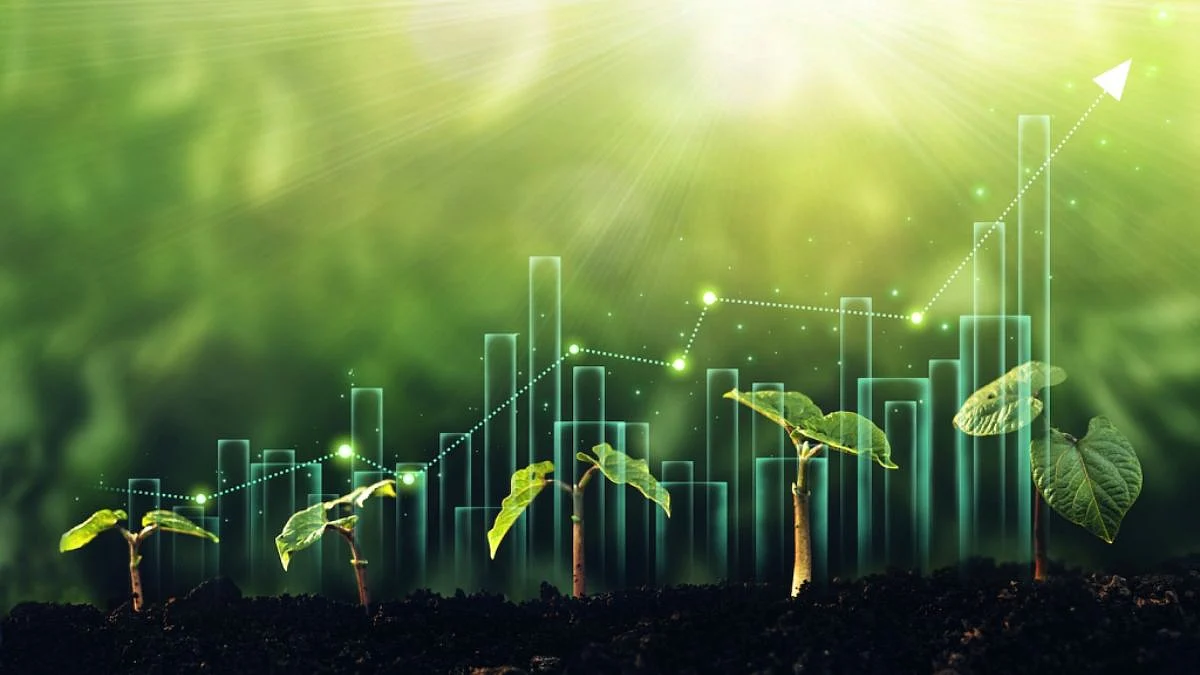
The quest for human progress has always been tied to economic growth, with societies striving to improve life for generations. Over time, this pursuit has led to remarkable advancements in employment, healthcare, education, infrastructure, and overall well-being. However, this relentless focus on growth has come with a hidden cost: the deterioration of the very environment that supports life itself.
Pollution, deforestation, biodiversity loss, and increasingly frequent extreme weather events all point to an ecological imbalance that threatens humanity's future. As we question whether prosperity and well-being can coexist with a healthy planet, it becomes clear that our current economic models are fundamentally flawed. The widely-used Gross Domestic Product (GDP) measure fails to capture the environmental degradation that often accompanies economic expansion.
While GDP might show impressive growth numbers, it overlooks the depletion of natural resources and ecosystems that underpin long-term prosperity. This blind spot in our economic metrics has allowed us to ignore the true cost of unchecked growth. The debate over growth versus sustainability is not a false choice but a need to redefine progress itself.
We must move beyond the linear, destructive model of "exploit-produce-dispose" and embrace a circular economy where materials are recycled and reused instead of discarded. This shift requires rethinking how we value economic success and prioritize the health of our environment. The transition to a sustainable future will not be easy, especially given the historical inequities in resource extraction and development that have created global disparities.
Developed nations must share the burden of environmental responsibility while working with developing countries to create inclusive, sustainable solutions. Countries around the world are beginning to recognize the need for a more balanced approach, incorporating environmental, social, and governance (ESG) factors into decision-making processes.
However, implementation must be equitable and consider the unique developmental challenges faced by different nations. India's journey towards becoming a developed nation by 2047 presents a critical case study in balancing economic growth with ecological sustainability. The country faces significant environmental challenges, including water scarcity, soil erosion, and extreme weather impacts that hinder progress.
Yet, India is also making strides in renewable energy, with solar power accounting for a substantial portion of its electricity generation and setting ambitious targets for green hydrogen production. At the local level, cities like Indore are demonstrating that sustainability and livability can go hand in hand, implementing circular waste management systems that have earned them international recognition.
As India moves forward, it has a unique opportunity to show that prosperity and sustainability are not mutually exclusive but rather mutually reinforcing. By adopting a circular economy model and investing in renewable energy, India can demonstrate that a sustainable future is possible while still achieving its development goals.
This redefined path to progress will require global cooperation, technological innovation, and a commitment to shared responsibility among all stakeholders. The challenge of reconciling economic growth with ecological balance is not just an environmental issue—it is a fundamental question about the future of humanity. By rethinking our approach to economic development and prioritizing the health of our planet, we can create a world where prosperity and sustainability go hand in hand, ensuring a better future for all.
Written by urgent.news from Free Press Journal's reporting — not their text. Machine-written — may contain errors; check the original before relying on it.