Polydactyl Cats: The Genetic Quirk Behind Their Extra Toes
Polydactyl cats stand out among the animal kingdom’s curiosities because they develop more toes than typical cats, most commonly on their front paws. The term itself comes from Greek roots meaning “many fingers,” and it describes cats whose paws display six or more digits instead of the standard count, giving them a genuinely distinctive appearance […]
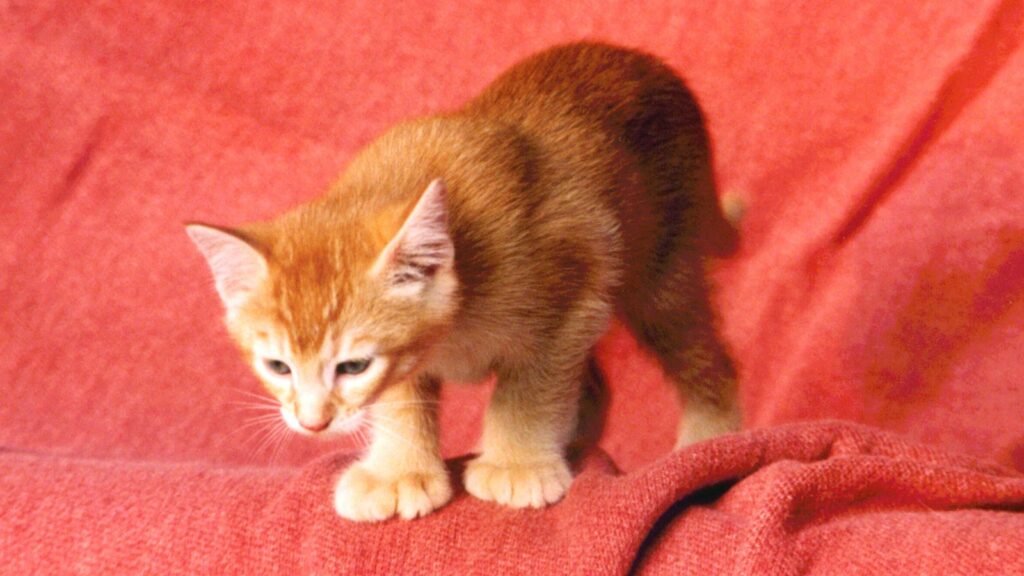
Polydactyl cats are an intriguing sight due to their extra toes, most commonly found on their front paws. This condition stems from a harmless genetic mutation that occurs when a specific region of their DNA called ZRS within the LMBR1 gene mutates. This mutation disrupts the normal development signals from the Sonic Hedgehog gene, causing cats to grow one or more extra digits near their dew claw.
Though this dominant genetic trait is relatively rare in the general cat population, it has historically been more prevalent in specific coastal regions. Sailors once considered these cats to be lucky charms and skilled rodent hunters, as their extra toes offered additional stability on the often wobbly decks of ships. This association helped spread the trait along maritime trade routes, resulting in today's clusters of polydactyl cats in coastal areas.
The condition is entirely benign and painless, requiring only regular nail trimming to maintain health. One notable figure in the history of polydactyl cats is Ernest Hemingway, whose exposure to a six-toed cat led to a fascination that eventually resulted in a colony of these cats living at his former home in Key West, Florida, today.
Written by urgent.news from Colombia One's reporting — not their text. Machine-written — may contain errors; check the original before relying on it.