Oluremi Tinubu’s N10m gift and the power of purposeful philanthropy, By Kayode Akinmade
Nigeria is filled with Joshuas. They are in classrooms in rural communities. They are in crowded neighbourhoods and underserved schools. The post Oluremi Tinubu’s N10m gift and the power of purposeful philanthropy, By Kayode Akinmade appeared first on Premium Times Nigeria .
In a quiet classroom, on a football field or within a workshop, the future of a nation may reveal itself, waiting for someone to notice. The real tragedy is not the absence of talent, but rather its invisibility, lack of support and eventual extinguishing by circumstances. This is the essence of Master Morenikeji Ebunoluwa Joshua's tale, a 12-year-old artist from Ogun State, whose story underscores the power of purposeful philanthropy.
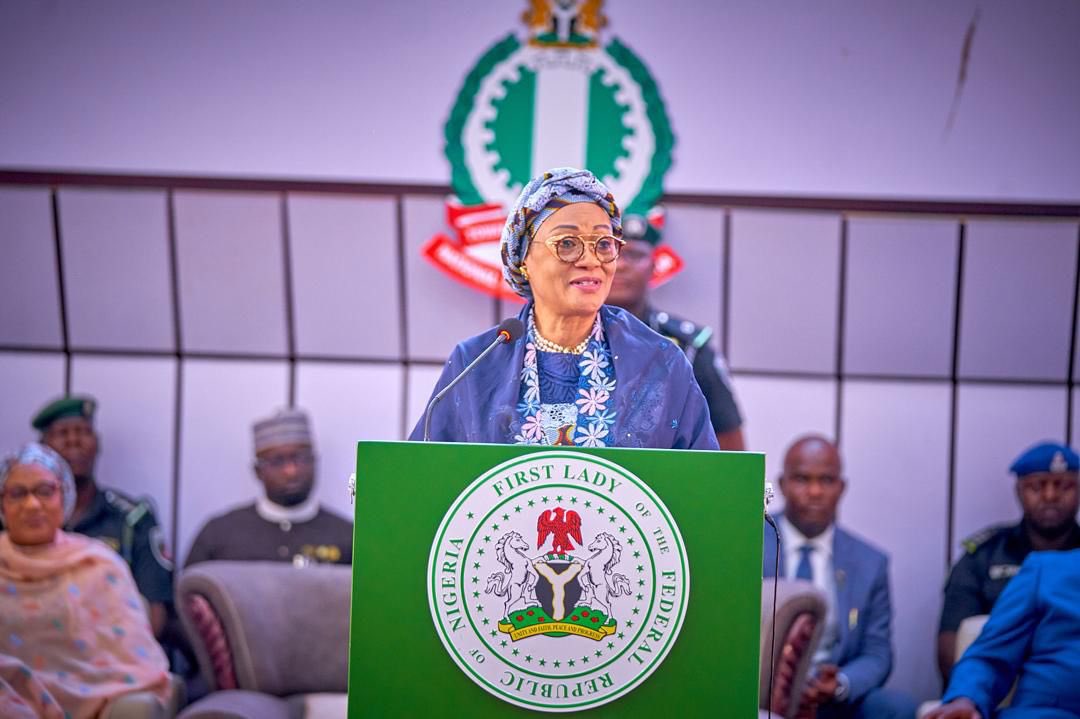
On August 18, 2026, Joshua exhibited a portrait of Nigeria's First Lady, Senator Oluremi Tinubu, at the South-West Zonal National Food Bank Programme launch. The young artist's artwork caught the First Lady's attention, but it was his extraordinary gift that truly resonated – seeing the potential in a child whose circumstances might otherwise have stifled his aspirations.
The First Lady, honoring her promise, pledged ₦10 million to fund Joshua's education. Less than a month later, she fulfilled her commitment by establishing an Education Development Trust Fund. This trust would financially support Joshua through his tertiary education, ensuring he could pursue his dreams without the constraints of his financial situation. This swift, structured and purposeful philanthropy stands in stark contrast to mere public promises that often fade quickly.
The significance of this gesture lies not only in the ₦10 million, but also in the speed, structure and intention behind the promise. Senator Tinubu demonstrated that compassion achieves its full meaning when intention is followed by action. The First Lady's act of recognizing and supporting Joshua's talent is a powerful lesson in the transformative potential of purposeful philanthropy.
Three years before this event, Ogun State Governor, Prince Dapo Abiodun, had already recognized Joshua's talent at an exhibition. He provided Joshua with a scholarship for his primary and secondary education, creating a crucial bridge between his talent and opportunity. This early intervention opened the door to a more promising future.
This chain of public good illustrates how one person's recognition can lead to another's support. An institution provides structure for the child's growth. Senator Tinubu's follow-through on her pledge represents another bridge, this time to tertiary education. This sequence of actions tells a child that his talent matters, his circumstances do not define his destiny, and that society has not forgotten him.
Purposeful philanthropy is more than just the random distribution of money. It involves identifying genuine need, recognizing measurable potential, and creating a structure that allows the beneficiary to grow with dignity. This is exemplified by the Education Development Trust Fund, which goes beyond an immediate cash gift and creates a mechanism for preserving the intervention and directing it towards a sustainable outcome.
The story of Joshua is not an isolated case. There are many such young individuals in Nigeria – in classrooms, crowded neighbourhoods, underserved schools, sports fields, music studios and even behind improvised computers. They may possess exceptional abilities, but they lack the necessary resources or support to thrive. Purposeful philanthropy addresses this issue by converting private means into public hope, identifying genuine need, acknowledging measurable potential, and establishing a structure that allows the beneficiary to grow with dignity.
While not everyone may be able to give ₦10 million, everyone who has access to influence, knowledge, resources or influence can make a difference. One person can cover a child's WAEC or JAMB fees, another can equip a school laboratory or sponsor vocational training. Professionals, religious organizations, alumni associations, philanthropists, and diaspora communities can all contribute by establishing scholarship funds, mentoring young people, supporting indigent families, or providing opportunities for talent displays.
Corporate organizations should also take a more significant role in talent development as part of their social responsibility. Traditional rulers, political leaders, professionals, philanthropists and community leaders all have the potential to open doors for young individuals, changing the trajectory of their lives and contributing to a brighter future for Nigeria.
Written by urgent.news from Daily Post Nigeria's reporting — not their text. Machine-written — may contain errors; check the original before relying on it.
This story
This is one outlet's version. Read the fullest account.