NASA, IBM launch new AI model for studying the moon
NASA and IBM have developed an AI model to help sift through the mountains of data the agency has gathered about the moon.
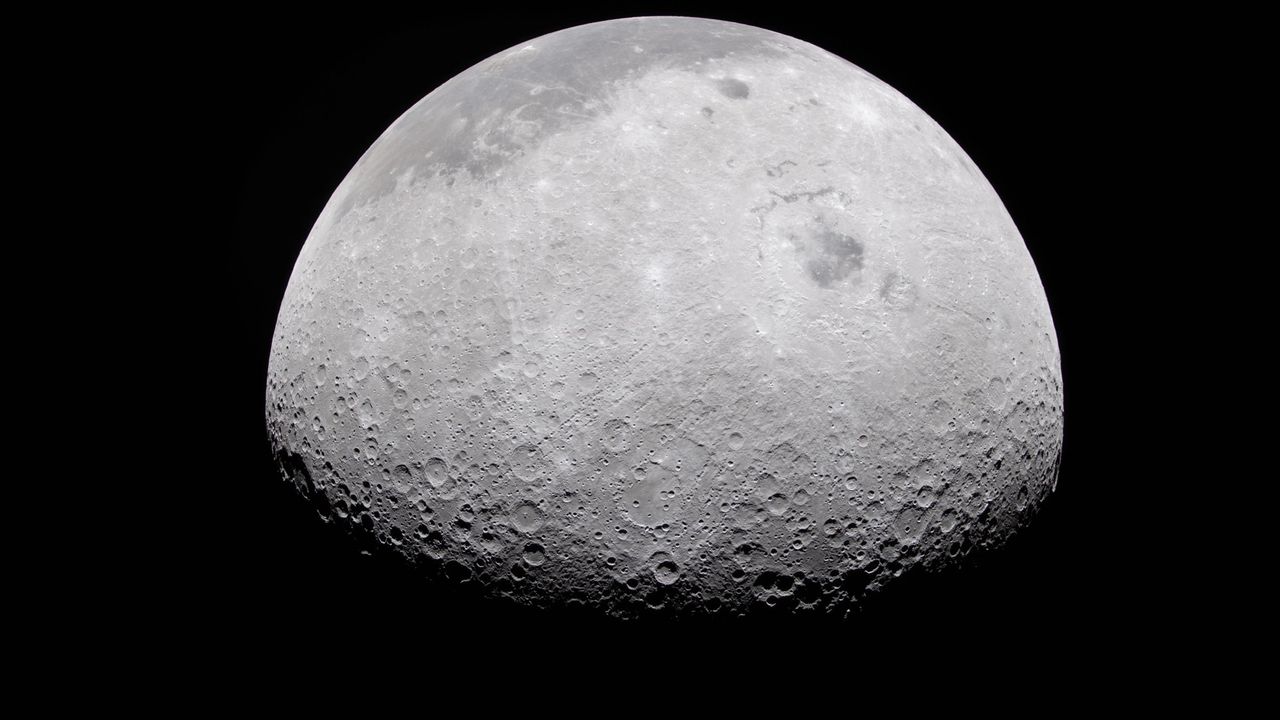
NASA and IBM have collaborated to introduce a new AI model aimed at analyzing vast amounts of lunar data. This initiative was announced on Thursday, September 10. The model, known as the NASA-IBM Lunar Foundation Model, is open-source and accessible without cost via Hugging Face.
NASA boasts an extensive scientific record of the moon, which has been amassed over decades through various lunar missions. However, the challenge lies in effectively analyzing this data, a process that traditionally consumes significant time and effort from researchers. To address this, NASA has joined forces with IBM to develop a tool that can streamline this task.
Kevin Murphy, NASA's chief science data officer and acting chief data and AI officer, highlighted the importance of making scientific data more accessible and usable. The new AI model is designed to assist researchers in tasks such as mapping craters, identifying young volcanic features, and determining potential sites for water ice near the lunar poles.
NASA's Kevin Murphy explained that the agency has been developing science-focused AI models in collaboration with IBM, including previous models for Earth observation and heliophysics. This progression represents a broader trend of leveraging AI in planetary science to enhance scientific productivity, reduce costs, and optimize workflows.
The NASA-IBM Lunar Foundation Model was primarily trained on data from NASA's Lunar Reconnaissance Orbiter (LRO), which has been operational for over 17 years. The LRO has compiled a nearly comprehensive mosaic of high-definition images detailing the moon's surface, providing a wealth of data for analysis through this innovative AI model.
Written by urgent.news from Space.com's reporting — not their text. Machine-written — may contain errors; check the original before relying on it.