Mercury Is Shrinking Way Faster Than We Thought, Scientists Discover
The planet’s radius may have shrunk by between four and six miles since it was formed due to global cooling, a contraction that is up to 30 percent larger than previously estimated.
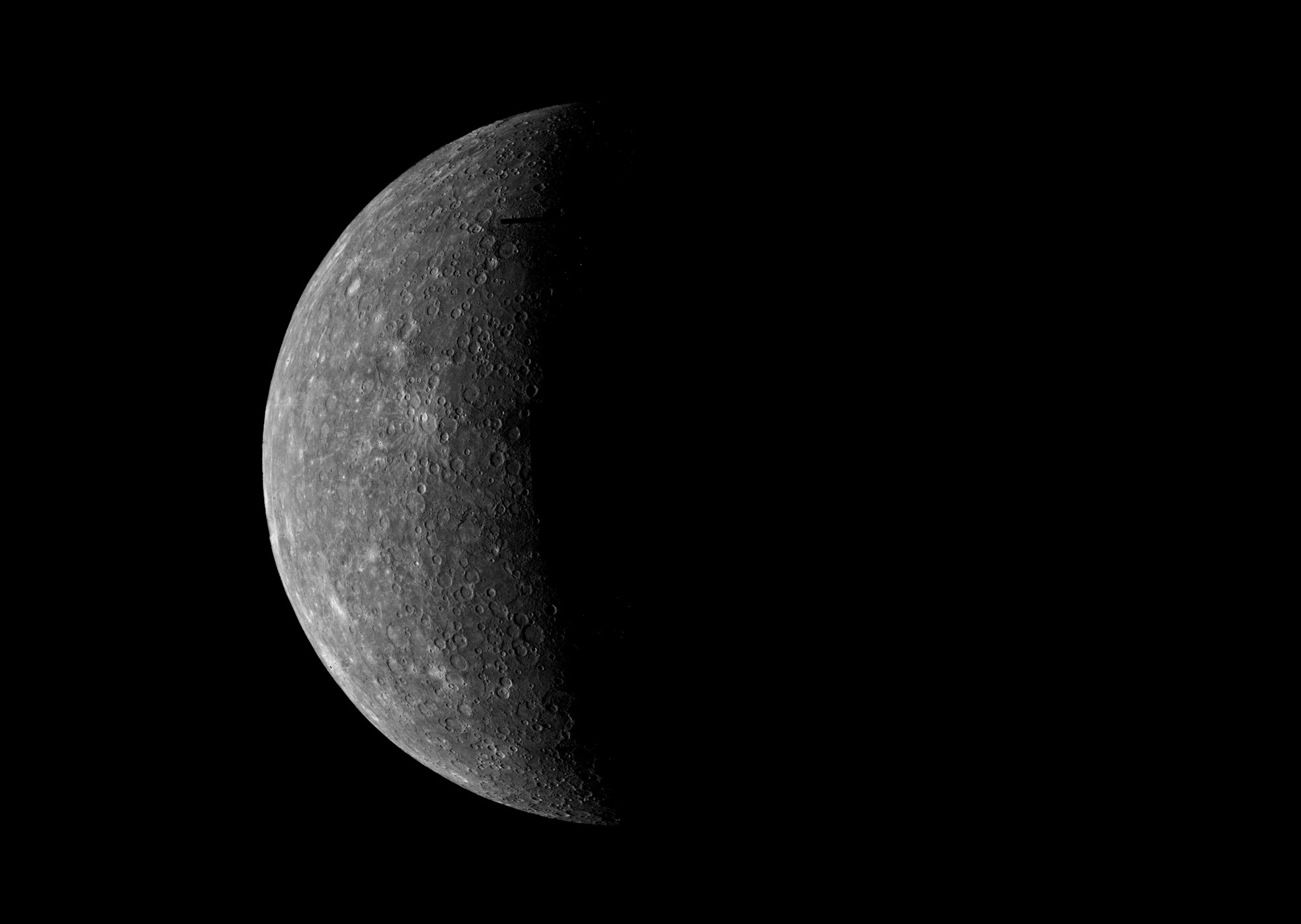
Scientists have discovered that Mercury is shrinking at a far faster rate than previously believed, according to a new study published in Geophysical Research Letters. The research team, led by Gaku Nishiyama of the University of Tokyo, found that the planet's radius may have been up to six miles longer than it is today, indicating a significant contraction over time.
While it is known that Mercury has cooled and shrunk due to the loss of internal heat, this study reveals the extent of this "planetary contraction" for the first time. The researchers used a novel method to account for the obscuring effects of surface roughness on the planet's measurements, which allowed them to determine that Mercury's current radius could be underestimated by as much as six miles.
The findings suggest that Mercury's rapid shrinkage began relatively recently in the planet's 4.6 billion year history, highlighting the dynamic nature of planetary evolution. The study also emphasizes the importance of accurate measurements in our understanding of celestial bodies, as previous estimates of Mercury's size have been significantly lower than the actual value.
Written by urgent.news from 404 Media's reporting — not their text. Machine-written — may contain errors; check the original before relying on it.
Also reported by 1 other outlet
- Little Mercury May Be Shrinking Faster Than Scientists Expected science.slashdot.org