India-China Ties: Why Past LAC Standoffs Mean New Delhi Must Stay Watchful After Xi Jinping's Return To Beijing
As Chinese President Xi Jinping lands in New Delhi for the 18th BRICS Summit—marking his first visit to India in seven years since the October 2019 Mamallapuram summit—the red carpet and diplomatic optics mask a historical pattern that Indian foreign policy cannot afford to ignore. #WATCH दिल्ली: प्रधानमंत्री नरेंद्र मोदी ने भारत मंडपम में चीन के राष्ट्रपति शी जिनपिंग का स्वागत किया - जो BRICS…
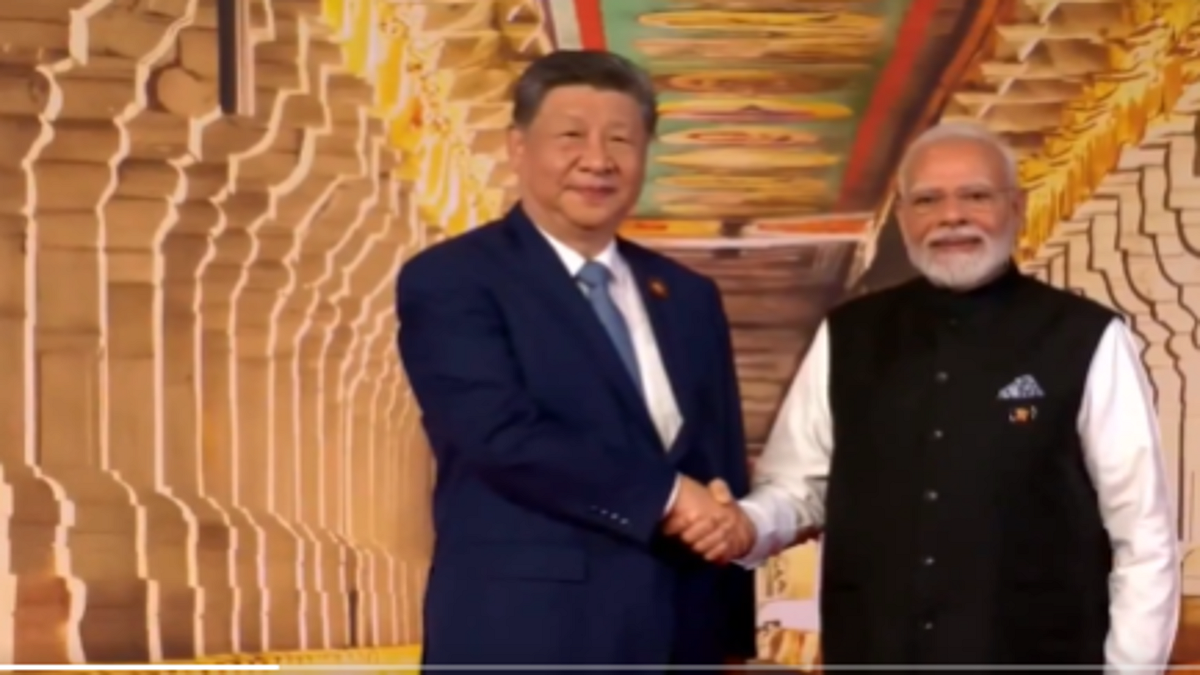
Chinese President Xi Jinping arrives in New Delhi for the 18th BRICS Summit, his first visit to India in seven years after the 2019 Mamallapuram summit. While the visit brings economic benefits and reduced tensions along the Line of Actual Control (LAC), history reveals a pattern where high-level meetings from Beijing often precede military actions along the border. Every major summit with President Xi since 2014 has been followed by some form of friction or aggressive border behavior.
During Prime Minister Narendra Modi's 2014 visit, over 1,000 PLA troops crossed the LAC in Eastern Ladakh's Chumar sector. In 2017, the economic cooperation narrative collapsed into the 73-day Doklam standoff. Even the Chennai Connect, established during the 2019 Mamallapuram summit, collapsed within six months. The most severe incident occurred in 2020, with multiple incursions in Eastern Ladakh, culminating in the deadly Galwan Valley clash.
Chinese foreign policy operates on two levels: broad political declarations at summits and detailed security actions on the ground. Prior to 2024, diplomatic handshakes did not guarantee long-term border stability for India. The 2024 Depsang and Demchok disengagement agreements cooled military tensions temporarily, but did not change the vast amount of militarized infrastructure China constructed in Tibet and Xinjiang after 2020.
Despite India easing operational bottlenecks through faster business visas and resumed direct flights, China still holds significant leverage over crucial industrial supply chains. India's dependence on Chinese manufacturing inputs, from APIs to solar components and machinery, means that diplomatic gestures could mask Beijing's ability to use supply chains as leverage in future disputes.
Even during diplomatic calm, China advances its territorial positions through non-military tactics, such as construction of border villages, renaming geographical features in Arunachal Pradesh, and expanding naval presence in the Indian Ocean. These actions incrementally change ground realities without directly escalating to open conflict.
President Xi's attendance at the BRICS Summit in New Delhi is part of China's broader strategy to counter Western diplomatic dominance and strengthen the Global South's economic frameworks. However, the core objectives of containing Indian influence in South Asia, through the China-Pakistan Economic Corridor and regional maritime encirclement, remain unchanged.
For New Delhi, the visit is crucial for regional stability, trade management, and multilateral diplomacy. However, diplomatic warmth must be balanced with continuous vigilance along the LAC, diversification of supply chains, and ongoing defense modernization. This separation between summit diplomacy and ground security is critical, even after President Xi leaves for Beijing.
Written by urgent.news from Free Press Journal's reporting — not their text. Machine-written — may contain errors; check the original before relying on it.