‘I’m Really Terrified’: A Mathematician Grapples With AI’s Recent Breakthroughs
Steven Strogatz coauthored a book about how math is moving beyond human understanding. He spoke with WIRED about the seismic impact artificial intelligence has had on his life’s work.
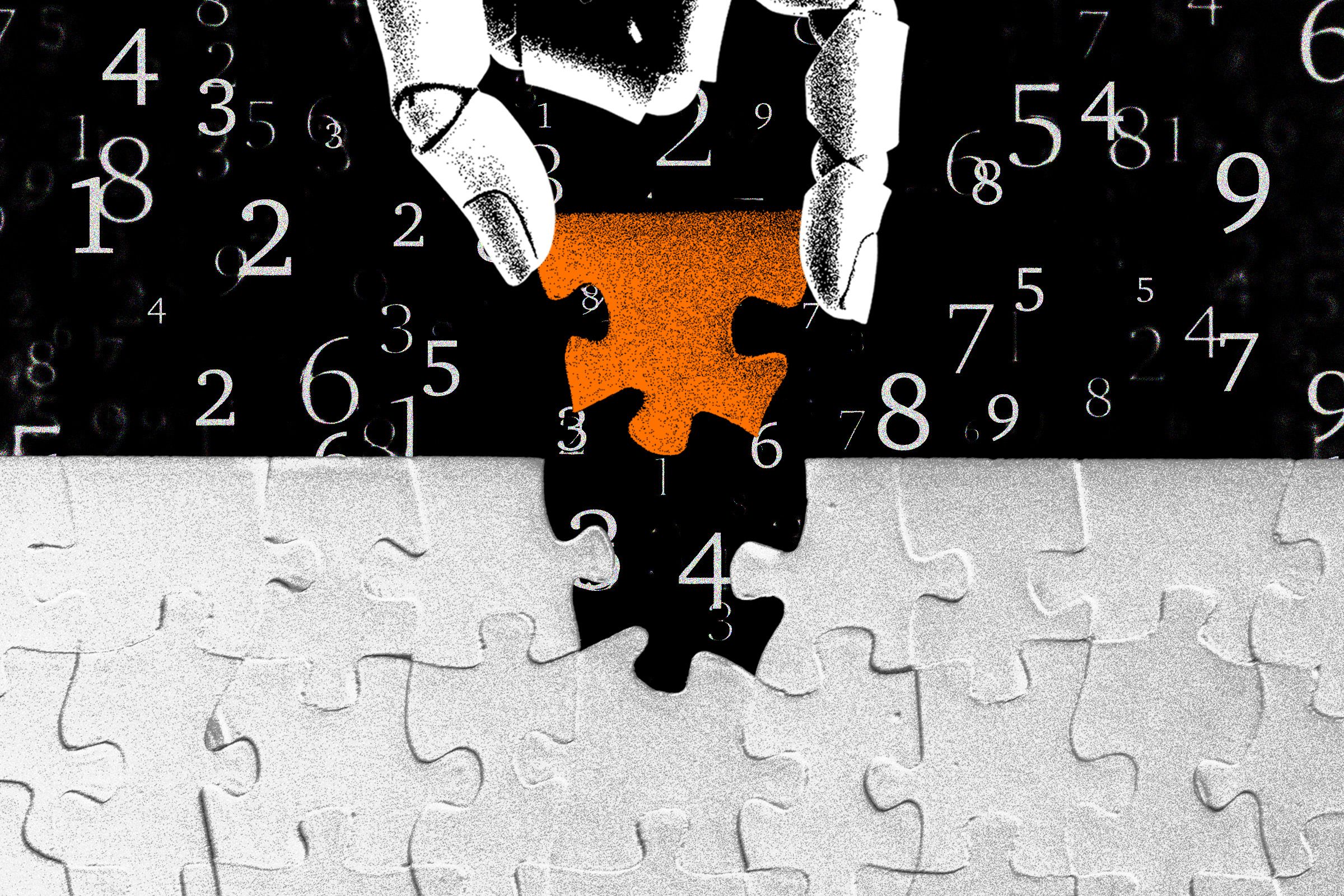
The Cornell University mathematician expressed both enthusiasm and fear over the recent AI breakthroughs. OpenAI claims to have solved a 90-year-old math problem using tens of thousands of agents, which could win them a $1 million prize, but independent verification is required. The revelation has sparked controversy, with another mathematician, Tristan Buckmaster, claiming that OpenAI has rushed to claim the solution after learning about his work.
Buckmaster also suspects that OpenAI attempted to influence the credit for their findings. This incident highlights the rapid changes in the field due to AI advancements, which mathematicians like Strogatz describe as a corporate race to garner headlines ahead of significant IPOs.
The advancements in AI have led to significant breakthroughs in mathematical problems, with OpenAI making strides in ten long-standing problems and Claude, developed by Anthropic, proving 29,500 small theorems. While AI accelerates mathematical breakthroughs, experts worry about the implications for the dedicated mathematicians who have spent years perfecting their skills.
Strogatz and his collaborator, Alex Townsend, have already found AI tools like ChatGPT helpful in solving complex mathematical issues. However, Townsend feels threatened by AI as it changes the landscape of his research and profession. Strogatz likens the current situation to a horror movie, with AI creeping closer to human understanding without fully grasping the underlying concepts.
He remains terrified about the future of mathematics, mathematicians, and humanity as AI continues to evolve.
Written by urgent.news from Wired's reporting — not their text. Machine-written — may contain errors; check the original before relying on it.