How Magok development changed southwestern Seoul's historical landscape
When I first moved to southwestern Seoul, near Gimpo International Airport, in 2003, the nearby Magok area was a large expanse of fields where rice and vegetables grew and egrets and weasels roamed. It was surrounded on many sides by apartment complexes that were built in the early 1990s, a time when much of Gangseo District was urbanized. Hints of the urban development to come were on the…
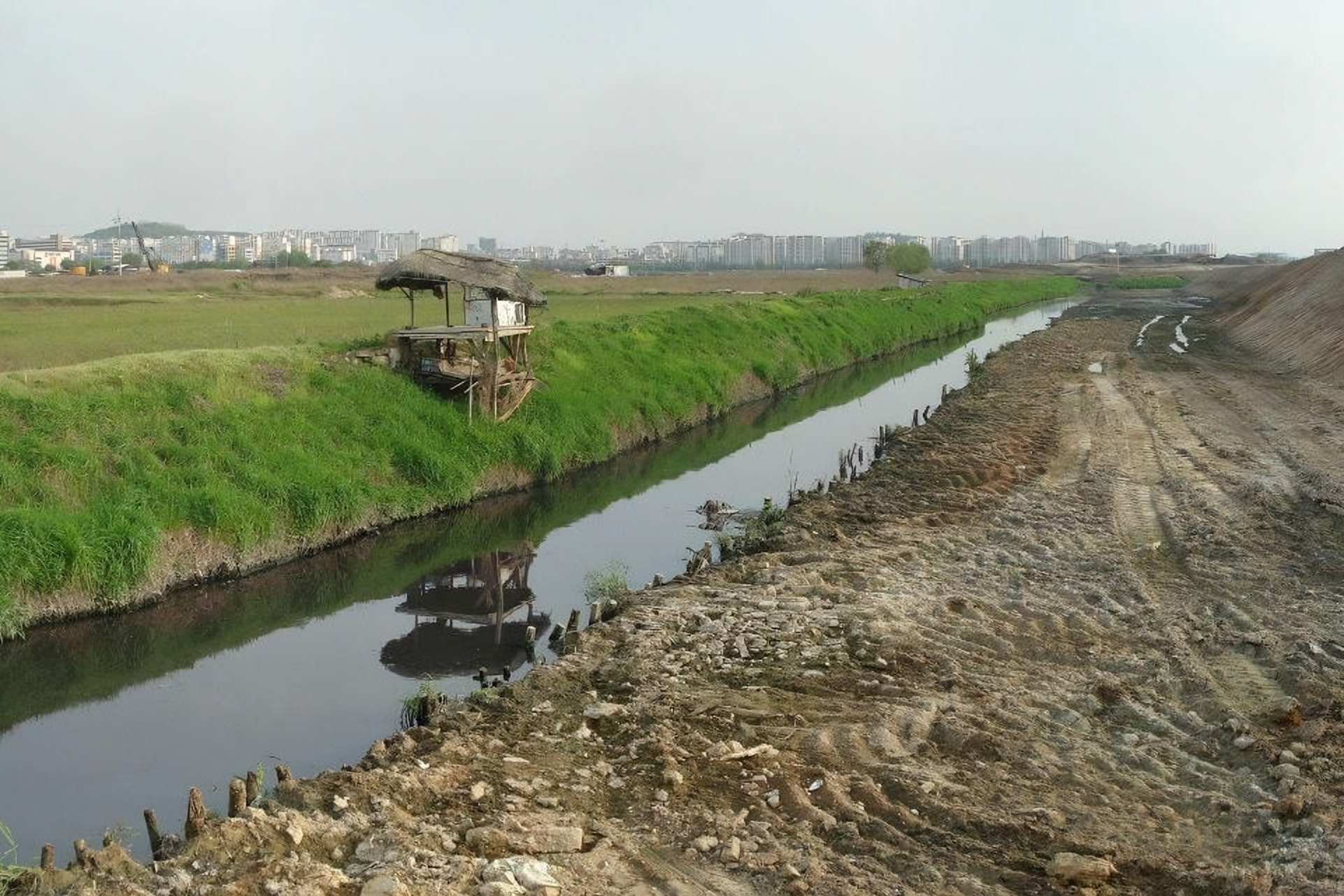
In 2003, when the reporter first relocated to the southwestern Seoul area near Gimpo International Airport, the Magok region was characterized by expansive farmlands and wildlife such as egrets and weasels. The neighborhood was surrounded by apartment buildings that had been constructed in the early 1990s, as part of a wave of urbanization that had transformed much of the Gangseo District.
Early signs of further development were apparent, with the construction of Seoul Metro Line 9 cutting a deep trench through Magok's fields, which would later be covered over. Shortly thereafter, ground was broken for the Airport Express (AREX) line, which would eventually connect at Magongnaru Station. For many years, the existence of the AREX was only hinted at by a single, sealed subway exit amidst the fields.
Despite this, the arrival of these subway lines with their express trains proved to be a significant catalyst for change in Gangseo District, an area that had previously been underserved by the subway system. In 2008, the final large-scale rice harvests in Magok took place.
Written by urgent.news from The Korea Times's reporting — not their text. Machine-written — may contain errors; check the original before relying on it.