How burnt coconut helped discover new to science endemic species in Sri Lanka
COLOMBO — As dusk settled over the paddy fields at Puwakpitiya, a village on the northern edge of Knuckles Mountain Range locally known as Dumbara mountains in Central Sri Lanka, researchers began laying traps along the uneasy boundary between farmland and forest. They were targeting small terrestrial mammals moving through the landscape. On the ground, […]
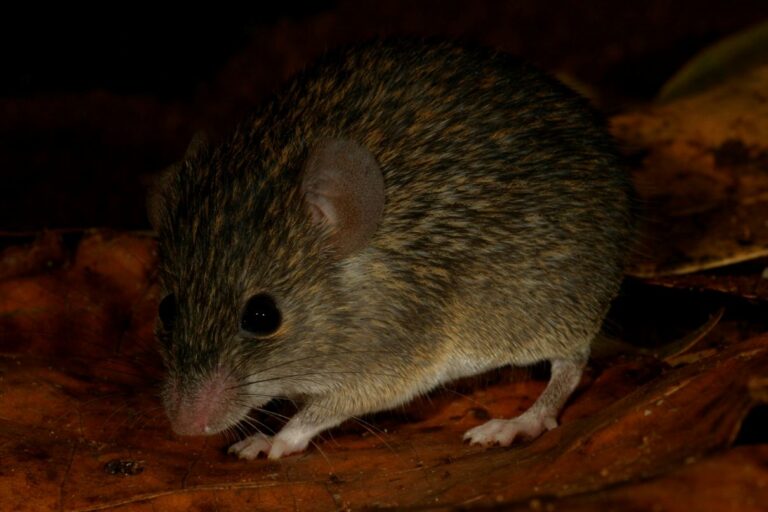
Coconut husks proved instrumental in the discovery of a new species endemic to Sri Lanka's Knuckles Mountain Range. Researchers in the northern village of Puwakpitiya, on the fringes of the Dumbara mountains, were monitoring small mammals crossing between farmland and forest. Despite using traditional peanut butter as bait, the mice in Sri Lanka showed little interest. Seeking a more suitable lure, the scientists turned to burnt coconut pieces, which proved effective in attracting the elusive creatures.
On March 11, 2004, one of the pitfall traps captured a small female mouse. Six days later, a second specimen was caught in another baited trap. Both mice were notably different from the locally known Mayor's mouse (Mus mayori), which shares a similar habitat. The newly discovered mouse species, named Dumbara spiny mouse (Mus dumbara), exhibited distinct physical characteristics.
It possessed a fulvous-gray pelage broken by spiny guard hairs and a slender, naked tail longer than its head and body. The external differences, coupled with internal variations, suggested the presence of a new species.
Initially, the unidentified mouse shared traits with Mayor's mouse, a species endemic to Sri Lanka's highlands. However, its tail length and head shape set it apart, providing the first clues about the new species. The Dumbara spiny mouse is currently known only from Sri Lanka's Knuckles Mountain Range, highlighting the importance of local environments in harboring unique biodiversity. The discovery underscores the value of innovative research methods in uncovering hidden species, even in seemingly familiar habitats.
Written by urgent.news from Mongabay's reporting — not their text. Machine-written — may contain errors; check the original before relying on it.