From food to interest rates: How SA’s fuel shock could hit the economy
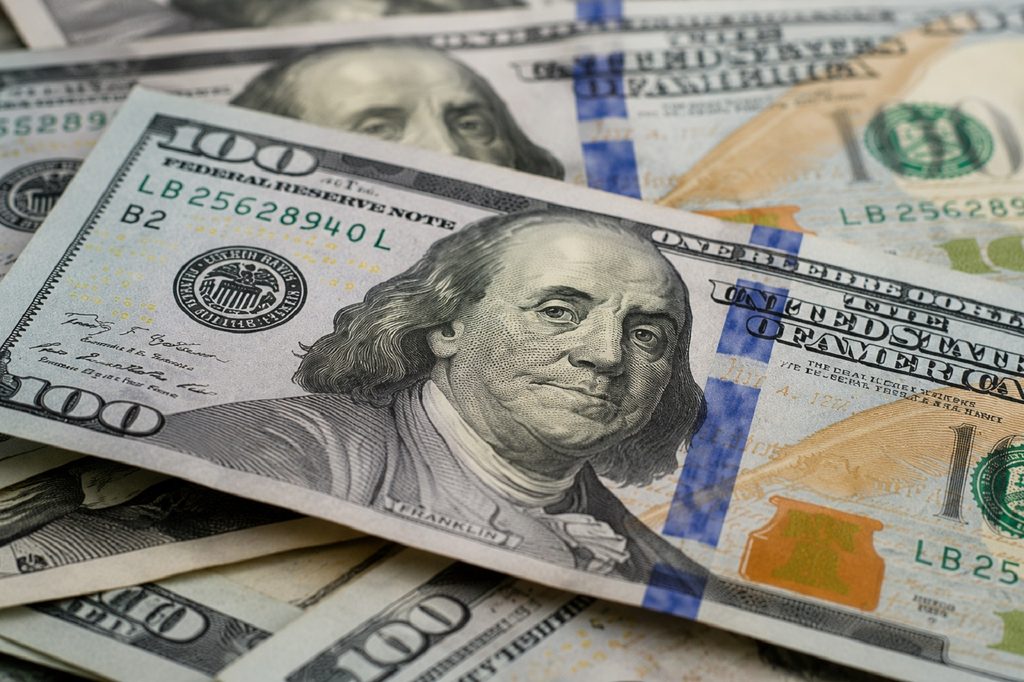
Rising oil prices could hit South African households through higher fuel, food and borrowing costs, while squeezing consumer spending and adding to pressure on an already weak economy.

South Africa's fuel prices have recently surged, which could have far-reaching consequences for the nation's economy. Brent crude oil prices hit nearly $110 a barrel after surpassing $100 earlier in the week, a result of ongoing Middle Eastern conflicts. As South Africa imports a significant portion of its crude oil and petroleum products, a persistent oil shock could hike the country's import bill and exert additional pressure on the South African rand.
This, in turn, might increase the cost of imported goods, adding another layer of inflationary pressure.
Investec economist Lara Hodes predicts that the recent fuel-price hikes in September and projected increases in October will further strain already cash-strapped households. As consumers allocate more of their income to fuel, transport, and other essentials, they will have less disposable income for discretionary spending such as dining out, entertainment, and clothing.
This could, in turn, negatively impact businesses that rely on consumer spending, especially during a period when South Africa's economy is already experiencing sluggish growth.
The increased diesel costs will also strain the food supply chain, as fuel expenses constitute around 35% to 55% of operating costs for road freight companies. This could translate into an overall increase in freight operating costs of roughly 4% to 6%, depending on how much operators, suppliers, and retailers absorb. Although grocery prices are unlikely to rise proportionally to the diesel increase, transport remains a significant component of the final retail price consumers pay.
Moreover, some factors are currently working in consumers' favor. South Africa is currently experiencing food-price deflation at the agricultural level, though El Niño-related weather conditions could pose a more significant threat later in the year.
The oil shock also complicates the South African Reserve Bank's (SARB) efforts to balance inflation against weak economic growth. The SARB raised interest rates by 25 basis points in May but maintained rates unchanged in April and July. With an upcoming Monetary Policy Committee (MPC) meeting on the 23rd, Hodes warns that the SARB may hike rates by another 25 basis points, which could exacerbate inflation if the oil price shock persists. The current policy rate stands at 7%, while the prime lending rate is 10.5%.
Written by urgent.news from IOL's reporting — not their text. Machine-written — may contain errors; check the original before relying on it.