Finally, some good usage — this Danish data center is providing heat to power thousands of household radiators
A Danish Meta data center captures server heat and supplies thousands of homes through an existing district heating network.
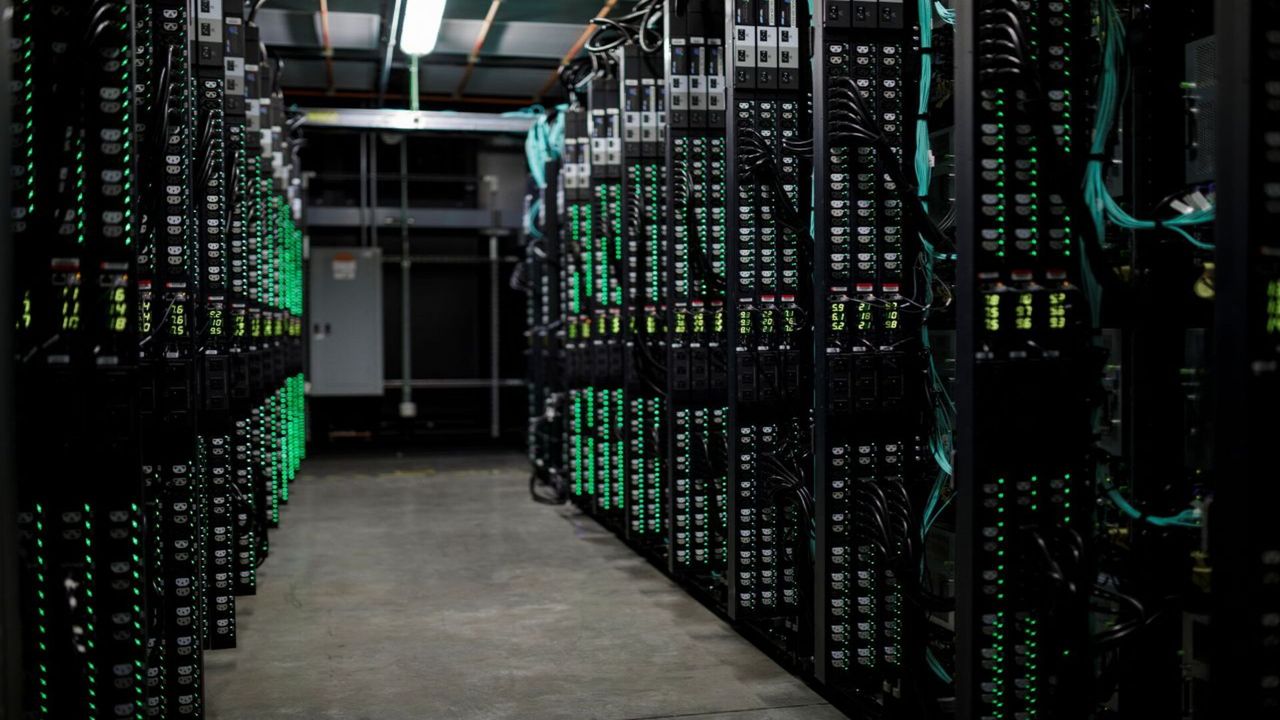
Meta's Danish data center in Odense is putting its server heat to good use by heating homes through the city's existing district heating infrastructure. The facility converts its cooling heat into household heating, taking advantage of the fact that data centers typically waste almost all of their generated heat. Typical cooling systems release nearly all of this energy, but Odense's data center routes it through the city's heating system instead.
Roughly 40% of a data center's energy consumption goes toward cooling, with that heat going unused in most facilities. The Odense data center, however, uses water from the municipal district-heating network to absorb the low-grade warmth from the servers. The temperature is then raised using ammonia heat pumps before being distributed to homes. The recovered heat raises the water temperature between 70 and 75°C, making it suitable for household radiators once it re-enters the wider distribution network.
Ramboll, the engineering firm behind the project, describes this as unique due to the vast district heating network available in Odense. Meta framed the achievement as one of scale rather than a new engineering breakthrough, noting that heat pumps and heat capture coils are not novel inventions. However, pairing them in such a large scale is a novel application.
The system generates around 45 megawatts of heat, making it the largest heat-pump installation in Denmark. This equates to about 215,000 megawatt-hours annually, warming over 12,000 homes in the region. Initial project numbers cited by Meta were smaller, but they have since expanded, with Meta's latest figures showing heat output equivalent to warming about 11,000 households.
The success of this setup relies on Odense's existing district heating infrastructure, highlighting the importance of such networks in repurposing data center waste heat for community benefit.
Written by urgent.news from TechRadar's reporting — not their text. Machine-written — may contain errors; check the original before relying on it.