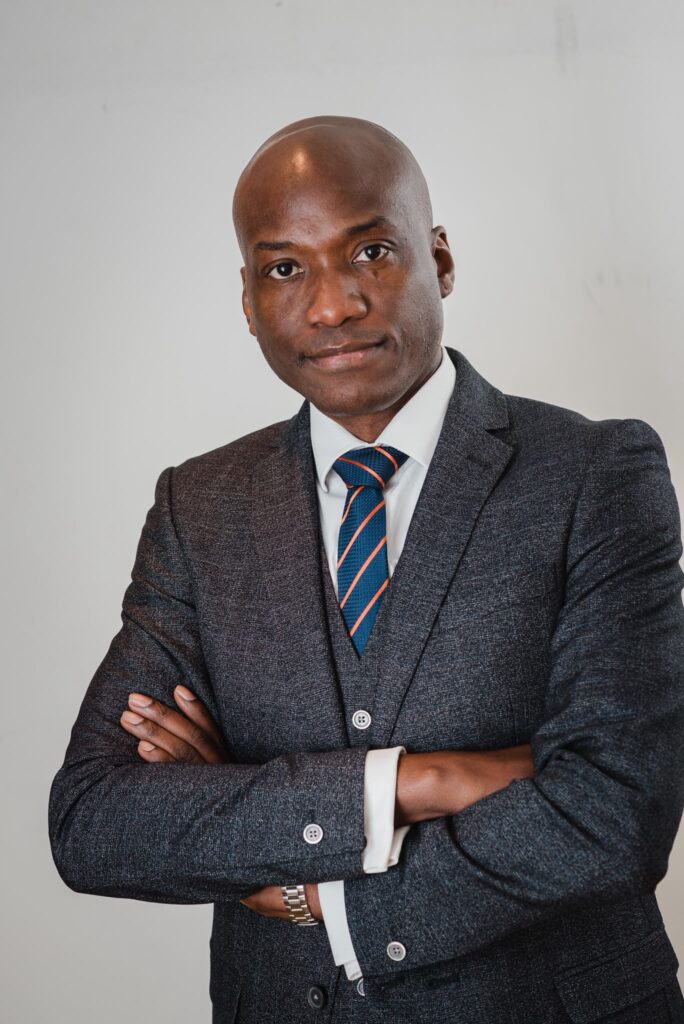
Energy sector’s inefficiencies are deepening Ghana’s fiscal and social inequalities — Ben Boakye
The Executive Director of the African Centre for Energy Policy (ACEP), Ben Boakye, has warned that Ghana’s persistent inefficiencies in the energy sector are not only draining public finances but also worsening inequality among citizens.
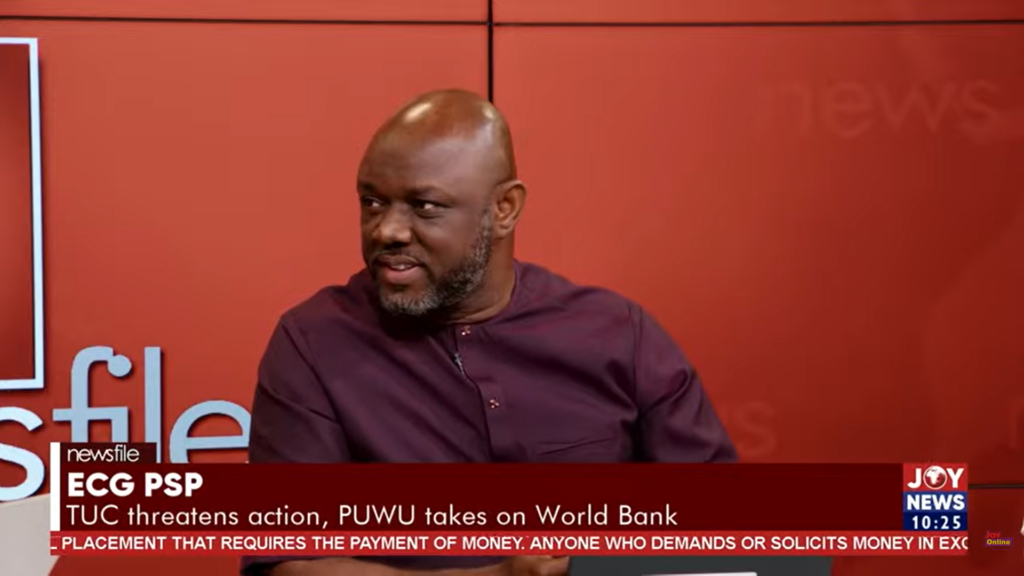
Ben Boakye, Executive Director of the African Centre for Energy Policy (ACEP), has cautioned that inefficiencies in Ghana's energy sector are exacerbating fiscal and social disparities within the nation. Speaking on JoyNews’ Newsfile, Mr Boakye highlighted that the country is already aware of the fundamental issues plaguing the sector and urged policymakers to focus on rectifying them instead of merely addressing their repercussions.
The discussion unfolded against the backdrop of contentious debates surrounding proposed reforms to the Electricity Company of Ghana (ECG), with the Trades Union Congress (TUC) voicing its intent to take action and the Public Utilities Workers’ Union (PUWU) raising concerns with the World Bank.
Mr Boakye emphasized that the true financial burden of the energy sector extends far beyond the headline figures reported by the government. He pointed out that Ghana allocates approximately GH¢3.5 billion annually to energy, but this amount is dwarfed by the staggering losses and waste associated with the sector, particularly at ECG.
ECG alone incurs annual losses surpassing GH¢20 billion, with the financial strain ultimately being borne by the national budget. Boakye cautioned that even this substantial figure underrepresents the actual financial commitment required to sustain the energy system.
He revealed that the Ghanaian government has increasingly resorted to borrowing to address ECG's obligations and cover fuel costs for electricity generation. The nation has issued cedi-denominated bonds on the domestic market, often at interest rates above 20%, and has also resorted to Eurobond borrowing. A portion of these funds has been utilized to settle IPP debts and fund fuel expenses for electricity generation.
When factoring in the interest costs on these borrowings alongside recurring debts accumulated through ECG, Boakye estimates that the total annual cost of managing Ghana's energy sector could reach up to GH¢40 billion.
Boakye underscored that the energy sector's financial challenges have broader social ramifications. He pointed out that Ghana is inadvertently exacerbating existing inequalities by failing to address the systemic issues that he described as an existential threat to the national budget. At the same time, the cost of inefficiency is disproportionately affecting those citizens who lack access to electricity.
This situation transforms the issue from merely one of government expenditure to one concerning who bears the financial burden and who reaps the benefits of the energy system. Boakye argued that perpetuating debt to sustain an inefficient system creates a cycle of increasing financial pressure on taxpayers without corresponding improvements in electricity services.
Addressing concerns about private-sector involvement in ECG potentially leading to loss of state control over a critical national asset, Boakye dismissed this notion. He emphasized that ownership and regulation are distinct issues, asserting that the state remains the ultimate regulator of all matters in the country. He advocated for efficiency and effectiveness in the energy sector, stating that the primary focus should be on whether a proposed arrangement can enhance efficiency and resolve the challenges facing the electricity distribution system.
Boakye stressed the importance of defining the appropriate institutional and commercial structure capable of tackling ECG's financial and operational difficulties, rather than allowing the ownership debate to overshadow these crucial considerations. His stance emerges as organized labor groups, including the TUC and PUWU, vociferously oppose proposed changes in the electricity sector.
Written by urgent.news from MyJoyOnline Ghana's reporting — not their text. Machine-written — may contain errors; check the original before relying on it.