Electricity VAT here to stay despite 165% tariff surge
South Africans will continue paying 15% VAT on electricity despite power tariffs having increased by as much as 165% over the past decade.
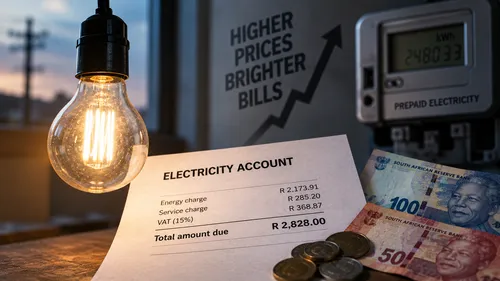
South Africans will continue to pay VAT on electricity despite tariffs increasing by up to 165% over the past decade, according to the Treasury. The National Treasury has ruled out removing VAT from electricity, even as rising costs put pressure on household budgets. Electricity prices have risen 101% since 2021 and by up to 165% over the previous decade, as reported by DebtBusters.
While the Treasury acknowledges the tariff increases, it has not specifically analyzed the impact of VAT on electricity costs for lower- and middle-income households. Maintaining a broad VAT base is deemed crucial for the efficiency of the tax system, with zero-rating electricity resulting in lost revenue, Treasury says. The electricity, gas and water sector contributed R22.21 billion in net VAT during the 2024/25 financial year, with a typical three-bedroom home using between 700kWh and 900kWh monthly, costing around R2,900 to R3,750 in summer at approximately R4.17/kWh.
The MK Party proposes adding electricity to the zero-rated VAT basket, arguing it would ease the burden on struggling households. However, the MK MP Crown Prince Adil Nchabaleng contends that VAT on electricity is unjustifiable given the ailing economy. The uMkhonto weSizwe Party executive director Advocate Stephanie Fick says the organization does not have a clear stance on VAT removal from electricity but emphasizes that power should be taxed unless deemed an essential service.
The Treasury has not quantified the fiscal cost of zero-rating residential electricity or modeled alternatives like exempting the first certain amount of electricity used monthly. The zero-rated VAT basket has been debated since VAT's introduction in 1991, with previous analyses concluding that zero-rating electricity would benefit higher-income households more than poorer ones.
Instead, the government relies on Free Basic Electricity to provide relief to poorer households, with R21.6 billion allocated for basic energy in the 2026/27 Budget. However, the Treasury warns that increasing the allocation may not fully address the issue due to registration, targeting, and delivery system weaknesses.
Written by urgent.news from IOL's reporting — not their text. Machine-written — may contain errors; check the original before relying on it.