BRICS for immediate restoration of fully functioning WTO dispute settlement system
BRICS leaders strongly advocate for restoring the WTO dispute settlement mechanism. They committed to strengthening the organization through necessary reforms and negotiations. The Appellate Body's functioning stalled after the US blocked member appointments. Developing nations believe a two-tier system is fundamental for dispute resolution. BRICS members will engage constructively in WTO reform…
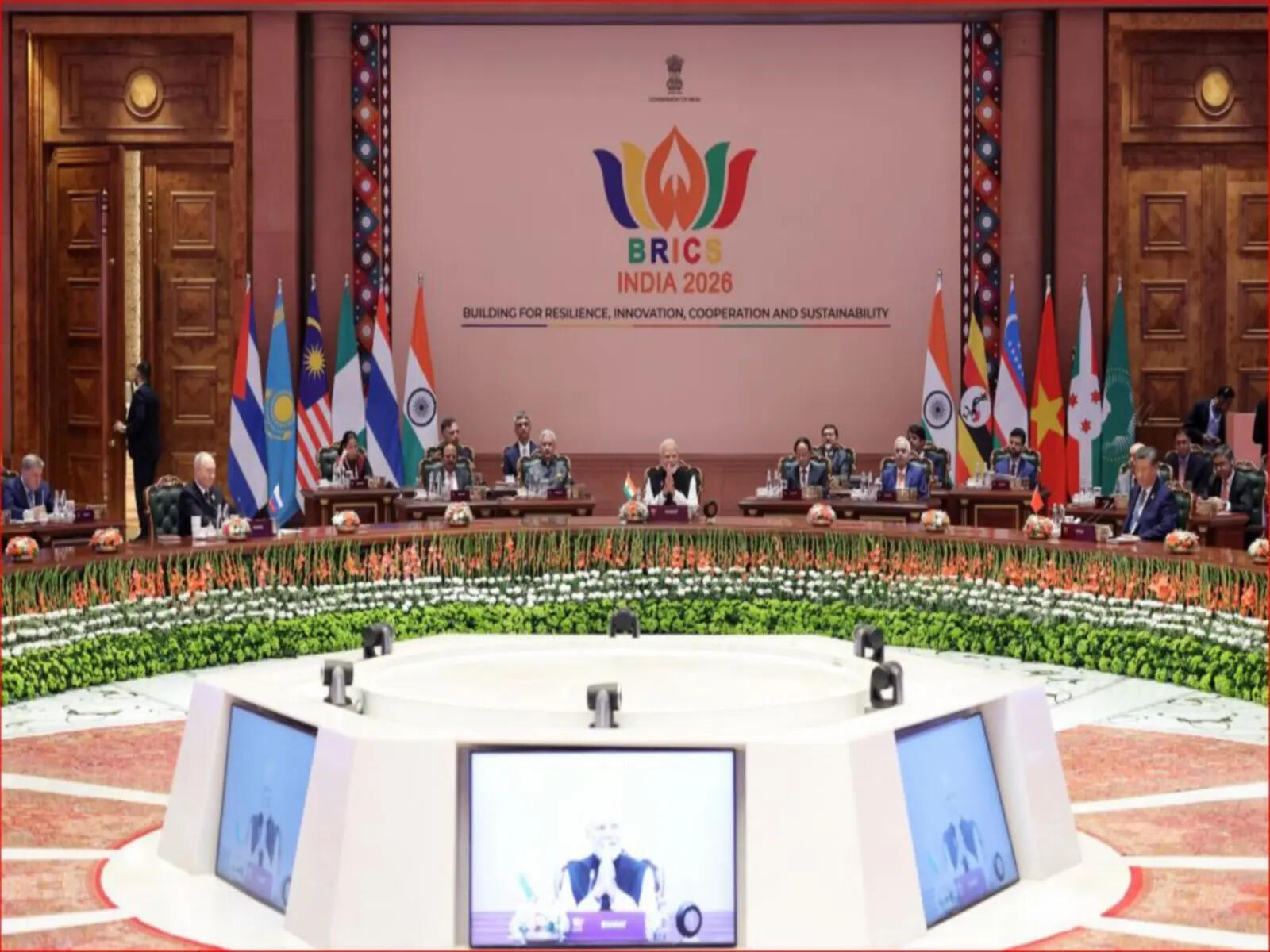
On Saturday, BRICS leaders emphatically demanded the immediate restoration of a fully operational two-tier, binding World Trade Organisation (WTO) dispute settlement system. The nations pledged to bolster the organisation through necessary reforms, facilitate negotiations within the WTO framework, and bolster the credibility of the multilateral trading system. The New Delhi Declaration, adopted by BRICS leaders, emphasized the need for a trustworthy and predictable multilateral trading system.
The BRICS members reiterated their commitment to participating in Geneva-based WTO negotiations, particularly on reform proposals. They expressed willingness to engage constructively in WTO reform efforts to enhance the organisation's authority, effectiveness, inclusiveness, and relevance, ultimately contributing to an open world economy.
The dispute settlement body (DSB) is a crucial component of the WTO, responsible for adjudicating trade disputes among member countries. There are two primary methods to settle disputes: through bilateral consultations or adjudication, which involves a panel's ruling, with the option to appeal the decision to the Appellate Body, the supreme institution for resolving disputes.
The smooth functioning of the WTO's dispute settlement mechanism was hampered when the United States blocked the appointment of new Appellate Body members. Despite the panels still operating, several appeals have been filed since December 2019. Developed countries, such as the US, have been pushing for system changes, arguing that the current setup is inflexible and leads to lengthy, costly, and contentious litigation.
Developing nations, on the other hand, strongly support the two-tier dispute settlement system as essential for the mechanism's smooth operation. Some developed countries have proposed reforming the DSB, including exploring alternatives to litigation, restricting panel jurisdiction to necessary matters only, and preventing judicial overreach to allow member nations to regulate their domestic policies.
Written by urgent.news from The Economic Times - Economy's reporting — not their text. Machine-written — may contain errors; check the original before relying on it.