Baldwin Lee waited until the streets of New York had emptied of people, then took these photos with a 4x5 view camera that have sat unseen for 47 years
A new exhibition reveals how, in the 1970s, the Chinese-American photographer used a slow, tripod-bound camera to shoot the Big Apple at its quietest moments
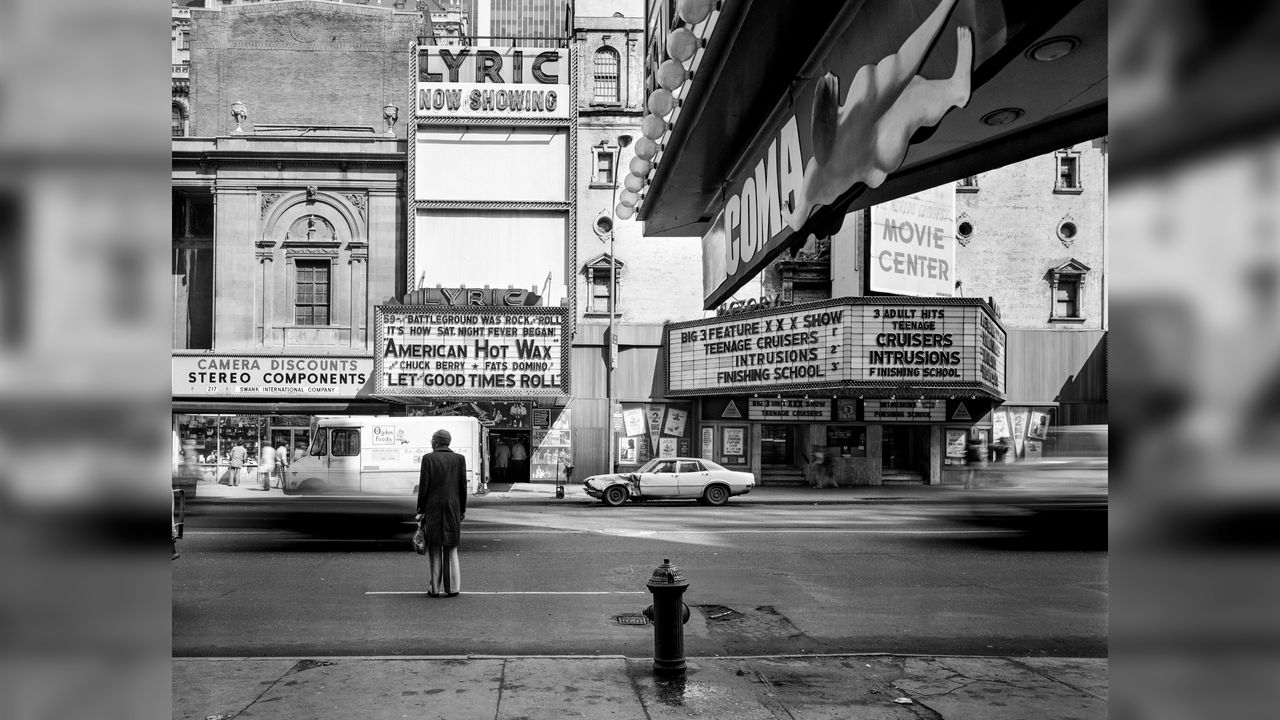
Every morning, a young Chinese-American photographer named Baldwin Lee would set an alarm well before sunrise, drive from New England to Manhattan, and then travel to pavements that were deliberately empty. This was his routine from the winters of 1975 to 1979. Lee used a 4x5 view camera, a large format device that required patience and punished any movement.
When he aimed his camera at a busy road during rush hour, he captured a blur of people and vehicles. However, when he pointed his camera at empty streets before dawn, he obtained an image of doorways, fire escapes, and diners, along with the Empire State Building, rendered with remarkable clarity. Lee primarily went out early in the winter when the sidewalks were closest to being empty.
He described his New York City explorations through New England as a search for organic forms rather than architectural photography. He found immense intimacy in early morning walks alone, feeling like he was walking through a personal garden. The pictures of Baldwin Lee, which were showcased in a new exhibition titled Baldwin Lee: New York (1975–1979), open on September 18 at Howard Greenberg Gallery.
They provide a unique perspective on street photography, as they capture stillness and serenity in places that would usually be bustling with life an hour after the photograph was taken. These images are not candid fragments of a busy scene but carefully planned compositions that allowed ample time for their creation, as nothing in the frame would move before the shutter clicked.
Written by urgent.news from Digital Camera World's reporting — not their text. Machine-written — may contain errors; check the original before relying on it.