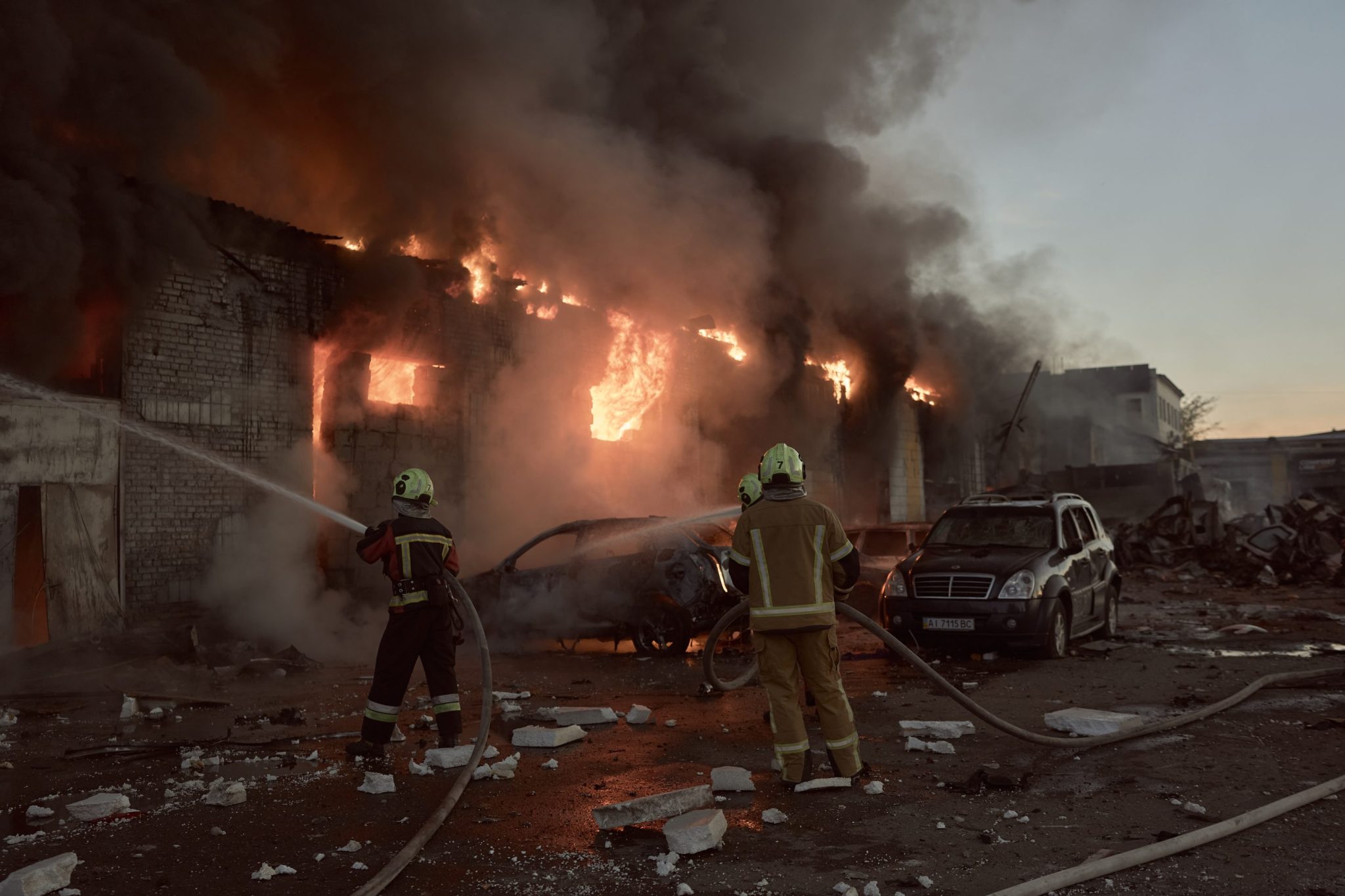
Attack on key Saudi pipeline is blamed on Iran-backed militias in Iraq
Though an umbrella group of Iran-backed militias in Iraq denied their involvement, Iraq's government confirmed the attacks had originated from its territory, pledged to investigate and dismissed two senior officials.
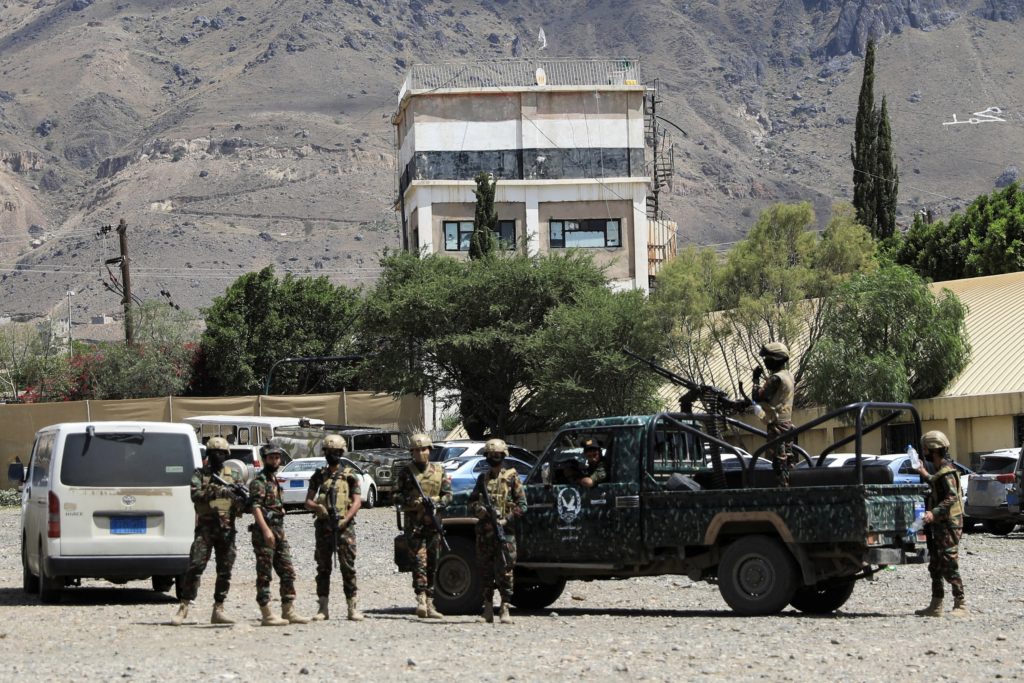
Saudi Arabia has suspended a vital oil pipeline after it was targeted by drones launched from Iraq, as regional tensions escalate. Iraq announced it had dismissed a military commander and launched an investigation following confirmation that the drone attack came from a province bordering Iran. The 1,200km pipeline assists Saudi Arabia, the world's largest crude oil exporter, in avoiding the Strait of Hormuz.
The incident occurs amidst Iran-backed Houthi rebels making significant gains in Yemen, heightening pressure on global oil shipping routes as the US-Iran conflict enters its seventh month. Saudi Arabia shut the pipeline as a precaution, citing scorched ground and smoke near the site in satellite images. The foreign ministry reported some injuries and damage, though assessments continue.
The pipeline transports 4% to 5% of global oil supply, according to Reuters, citing ship tracking companies and analysts. Riyadh has not retaliated yet, in line with Iraq's prime minister's request, and pledged to support Iraqi efforts to prevent such attacks from the country against neighboring states. The Iraqi prime minister's office confirmed that the operations commander in Iraq's Maysan governorate – a region adjacent to Iran – was removed from his post following the drone attack's origin being traced to that area.
The Gulf Co-operation Council, comprising representatives from Saudi Arabia, the United Arab Emirates, Bahrain, Oman, Qatar, and Kuwait, issued a statement condemning the attack as a dangerous escalation and violation of international law. Meanwhile, the Yemeni Armed Forces claimed to have targeted Houthi positions in and around the strategic coastal city of Mokha, destroying vehicles, weapons, and killing Houthi fighters.
The Houthi takeover of Mokha occurred on Thursday, forcing many residents to flee to Aden, where the internationally recognized Presidential Leadership Council and government are based. Government forces have also conducted air strikes in Taiz and Ibb governorates, further intensifying the conflict in the Arabian Peninsula, pushing crude oil prices above $100 per barrel for the first time since July.
This surge in energy costs has raised inflation concerns, potentially increasing government borrowing expenses.
Written by urgent.news from MyJoyOnline Ghana's reporting — not their text. Machine-written — may contain errors; check the original before relying on it.
This story
This is one outlet's version. Read the fullest account.