Astronomer proposes jaw-dropping reason why we dont have a super-Earth
What if the young sun swallowed a planet? That would explain the missing super-Earth in our solar system and other solar peculiarities.
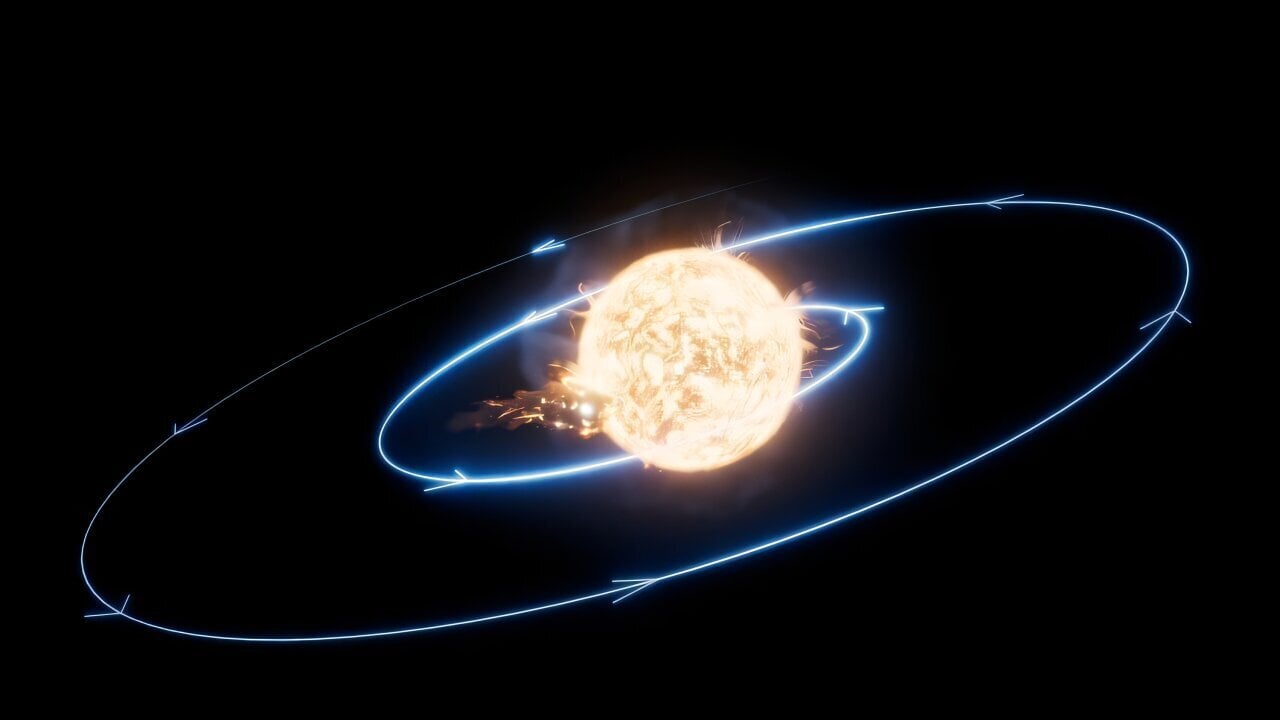
Astronomers have long puzzled over why our solar system lacks a super-Earth, a type of planet common in the galaxy. Now, a study suggests the sun may have swallowed such a planet. Mutlu Yildiz, an astronomy professor at Ege University in Turkey, used computer simulations to explore this idea. By feeding the young sun a dense, rocky super-Earth of about five to 10 times Earth's mass, Yildiz's models closely matched real measurements of the current sun.
This is one of the first studies to delve deeply into the possibility of the sun retaining evidence of a past planetary snack. Lithium, an important chemical clue to a planet's disappearance, is notably absent from the sun's surface today. Its shortage hints that something dragged the planet into the sun. Yildiz calls this hypothetical planet "Dev Dilek," meaning "Great Wish" in Turkish.
The study proposes that the swallowed planet brought in lithium-poor, heavy-element-rich material, accounting for the sun's lithium shortage. Additionally, this material could explain other observed characteristics of the sun, such as the behavior of sound waves within its interior. The research also examines whether a rocky planet could survive the plunge into the sun long enough to deliver its material.
Simulations show that under intense pressure, the planet would shrink and expose a smaller area to solar gas, slowing its outer layers' burning. Most of its rocky core could end up in the right place, supporting the solar models. While this doesn't definitively prove the sun devoured a super-Earth, it suggests that a sun with an early planetary feast matches measurements better than models without such an event. Further studies are needed to detect these fingerprints independently.
Written by urgent.news from Mashable's reporting — not their text. Machine-written — may contain errors; check the original before relying on it.