As extreme weather worsens, Black and Hispanic homeowners are paying more for insurance
Residents in predominantly Hispanic communities in Florida are paying on average $5,014 more annually for their policies, a new report says.
A recent report reveals that Hispanic and Black homeowners in the United States are disproportionately shouldering the burden of rising home insurance costs. According to the Consumer Federation of America, which released the findings in July, residents of predominantly Hispanic ZIP codes pay an average of 30% more in premiums ($950 annually) than homeowners in white communities. In predominantly Black communities, the gap is smaller but still significant, with an average 16% higher premium ($500 annually).
The disparities in insurance costs are attributed to factors such as local risk profiles, but even after accounting for these, the gap remains substantial. Sharon Cornelissen, director of housing at the Consumer Federation of America and co-author of the report, emphasizes the need to address the racially inequitable impacts of the insurance affordability crisis.
These inequities are rooted in a legacy of redlining, a discriminatory practice that designated certain neighborhoods as "hazardous" for mortgage lending based primarily on the race of residents. Although redlining ended in 1968, its legacy persists in the form of segregation and disparities across various sectors, including health care, education, incarceration, access to nutritious food, and public investment in infrastructure.
Insurance companies' premiums are determined by risk factors and are not influenced by race or ethnicity. Mark Friedlander, spokesman for the Insurance Information Institute, a trade association, states that using race or any proxy for race to set insurance rates is illegal in every U.S. jurisdiction. State insurance regulators review and approve the rating factors insurers use to prevent such practices.
The report highlights the most acute disparities among Hispanic homeowners in Florida, where they pay an average of 58% more ($5,014 annually) for the same coverage as white homeowners. Other states with notable gaps include New York (20%), Washington (18%), Massachusetts (16%), and Kansas (15%). In predominantly Black ZIP codes, Michigan has the largest disparity at 74% ($1,768 annually), followed by Pennsylvania (57%), New Jersey (22%), Massachusetts (20%), and New York (19%).
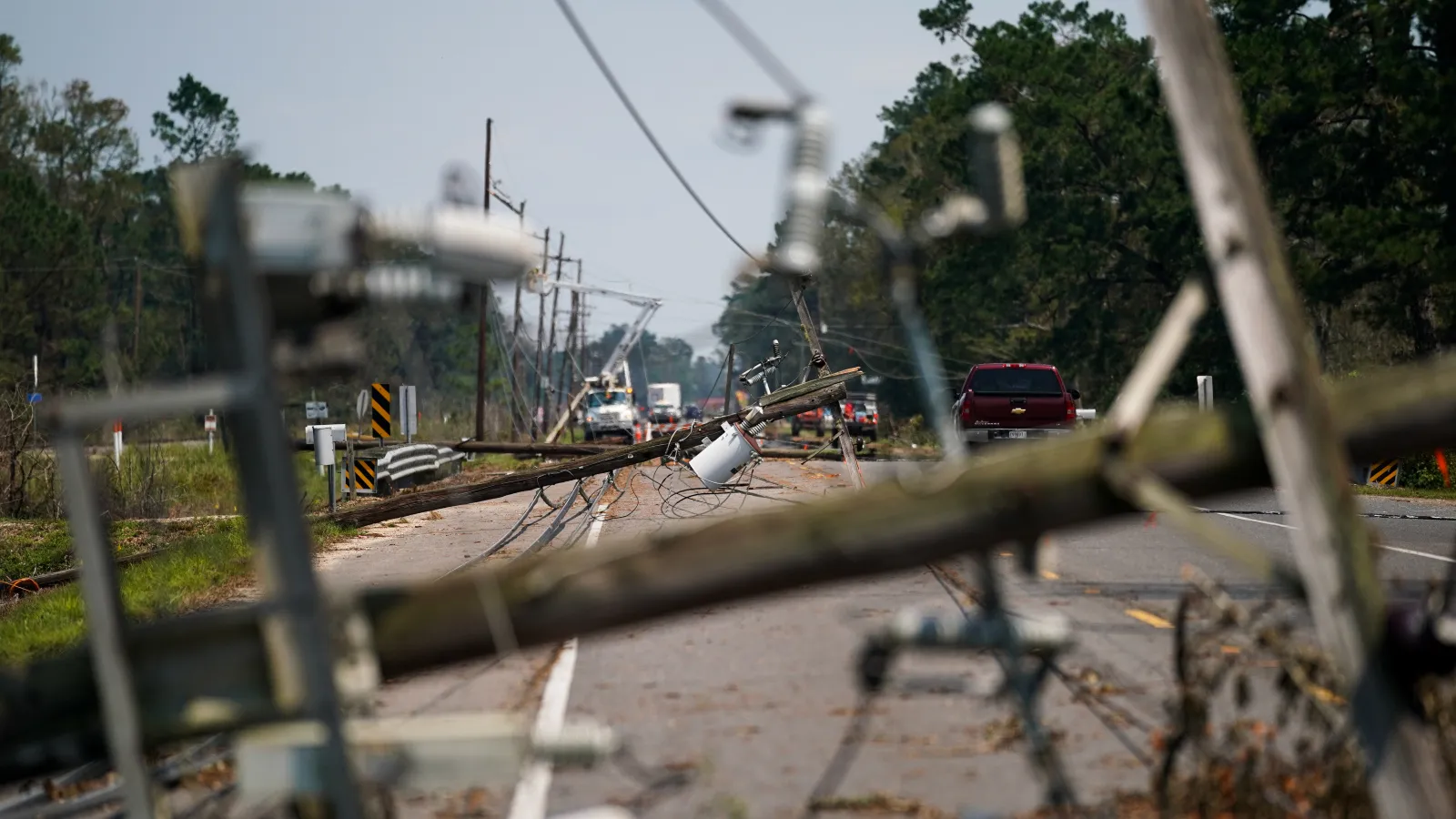
The cost of insurance for the typical homeowner has increased by 24% between 2021 and 2024, according to the report. The report also points to the role of climate change in driving up insurance costs, as extreme weather events become more frequent and severe. Insurance companies have provided fewer and more expensive options in communities of color compared to white communities, highlighting the need for further investigation into the historical discrimination and its ongoing impact on communities of color.
Written by urgent.news from Grist's reporting — not their text. Machine-written — may contain errors; check the original before relying on it.