Arthritis treatment options available in Doha
Many people think arthritis is simply an unavoidable part of aging. In reality, arthritis is a medical condition that can affect adults of various ages and significantly impact mobility, independence,...
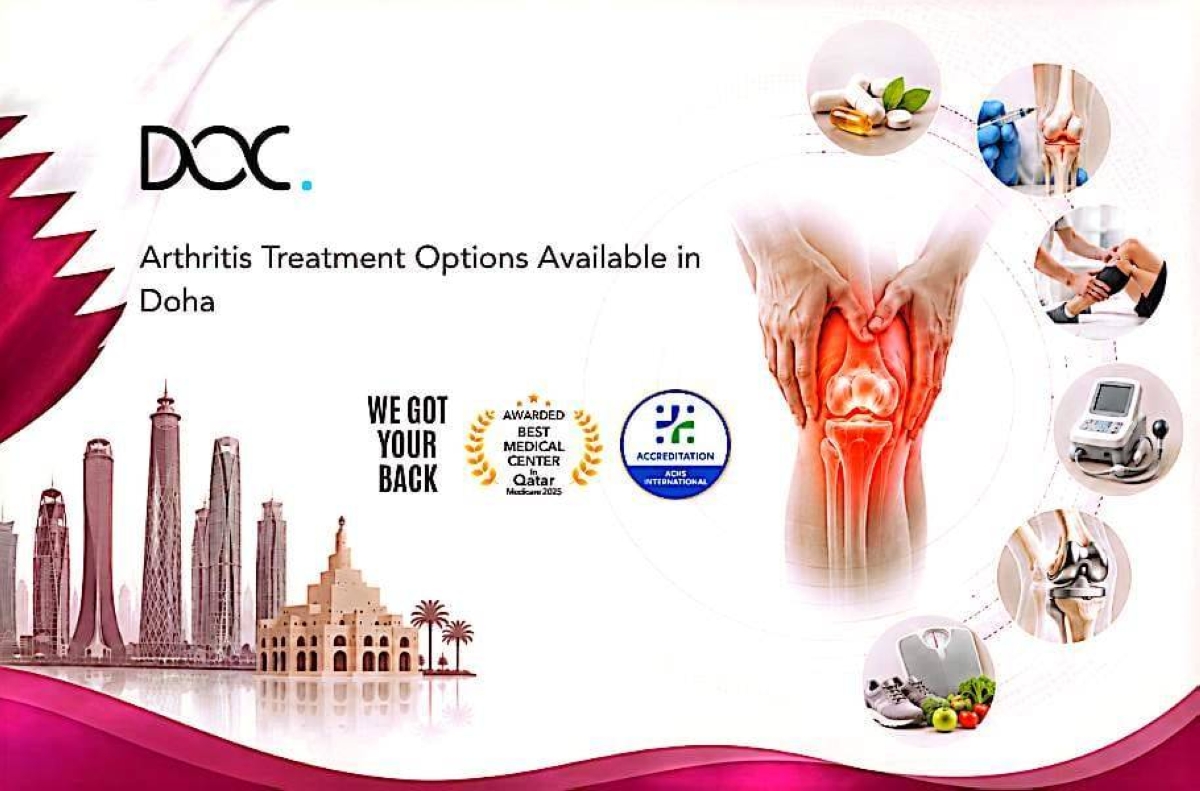
Arthritis is more than just an inevitable part of growing older; it's a medical condition that can affect individuals across all age groups, severely impacting mobility, autonomy, and overall well-being. In Doha and Qatar, this condition stands as one of the primary reasons for persistent joint discomfort, rigidity, and decreased physical activity levels.
However, the landscape of treatment has transformed dramatically, providing many patients with effective strategies to manage symptoms and uphold an active lifestyle over time.
Arthritis is not a single disease; rather, it encompasses a range of conditions that result in joint inflammation, pain, and structural deterioration. The most prevalent forms include osteoarthritis, rheumatoid arthritis, post-traumatic arthritis, and inflammatory arthritis. The knees, hips, shoulders, hands, and spine are particularly susceptible to these conditions.
Typical symptoms often emerge slowly and may encompass joint pain, morning stiffness, swelling, diminished mobility, and challenges with walking or ascending stairs. These signs can be easily overlooked until they begin interfering with daily routines, exercise schedules, or sleep patterns. Unfortunately, many patients wait until their symptoms significantly affect work, physical activities, or rest before seeking medical advice.
Non-surgical treatment options are available for early-stage arthritis, focusing on lifestyle adjustments and physical interventions. Reducing joint stress, maintaining a healthy weight, and engaging in regular exercise can alleviate symptoms. Physiotherapy and rehabilitation programs are also frequently recommended to enhance strength, flexibility, balance, and joint function. These therapies aim not only to reduce pain but also to preserve independence and long-term mobility.
In some instances, Molecular Biophysical Stimulation Therapy (MBST) may be recommended for patients with osteoarthritis or degenerative joint issues. This non-invasive treatment promotes cellular activity within cartilage, bone, and soft tissues, working in tandem with other treatments like orthopedic assessments, physiotherapy, and activity modifications.
Should conservative management fail to alleviate symptoms, a comprehensive evaluation by a specialist becomes critical. Diagnostic tools such as X-rays or MRIs can provide detailed insights into joint damage, facilitating more informed treatment decisions. Depending on the severity and type of arthritis, advanced treatments such as regenerative therapies, image-guided procedures, or specialized rehabilitation plans may also be considered.
Joint replacement surgery is generally suggested when arthritis leads to extreme pain, substantial loss of function, and a notable decline in quality of life despite non-surgical interventions. Contemporary orthopedic surgery, complemented by robust rehabilitation protocols, has enabled numerous patients to resume everyday activities with enhanced comfort and confidence. The importance of recovery planning cannot be overstated for achieving long-term success.
Any individual grappling with persistent joint pain, escalating stiffness, swelling, or difficulties in performing daily activities should consider seeking medical evaluation. Early diagnosis can enhance treatment options and potentially slow the progression of joint-related issues.
Written by urgent.news from Gulf Times's reporting — not their text. Machine-written — may contain errors; check the original before relying on it.