Are jurors prepared for the mental health risks of serving on trials?
Mark Farrant didn't expect to experience trauma from serving on a jury, but experts say there needs to be more awareness of mental health risks for those called to complete their "civic duty" in the courts.
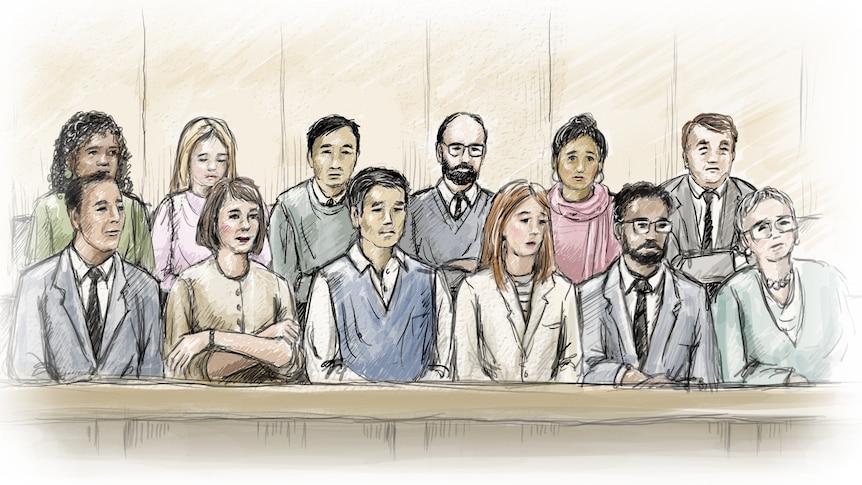
Jury duty often involves exposure to distressing evidence, which can have lasting mental health effects on participants. Mark Farrant, who served on a five-month murder trial in Canada, experienced nightmares, sleep difficulties, and flashbacks, later being diagnosed with Post-Traumatic Stress Disorder. He criticized the lack of adequate preparation for juries regarding such evidence.
In Australia, thousands of individuals are called to serve as jurors, with thousands more exposed to trauma through vicarious exposure to graphic details. Dr. Jane Astill-Owen, a law and criminology lecturer, noted that jurors can suffer from vicarious trauma, particularly in cases involving sexual assault or extreme violence. Jurors are occasionally offered up to six counselling sessions post-trial, but many do not utilize the available support.
In New South Wales, only about 1% of jurors took advantage of the three initial counselling sessions after serving on a trial in 2025-2026. The state's jury management acknowledges the graphic nature of some evidence but maintains that jurors are supported through various touchpoints during their service. The issue of juror mental health has gained traction in recent years, with calls for psychological support and even the possibility of judge-alone trials, though specific instances of jury mental health concerns influencing such decisions are not well-documented.
Written by urgent.news from ABC News AU's reporting — not their text. Machine-written — may contain errors; check the original before relying on it.