Traveling to Kyiv during war: What you need to know
Booking spontaneous trips within minutes using a single platform is a distant memory for those wanting to come home or visit Ukraine. Over 20 million people have passed through the Ukrainian border in the first half of 2026, the Ukrainian State Border Guard Service revealed on Aug. 5, setting the year on track to be the busiest since the beginning of the full-scale war. Yet reaching Ukrainian…
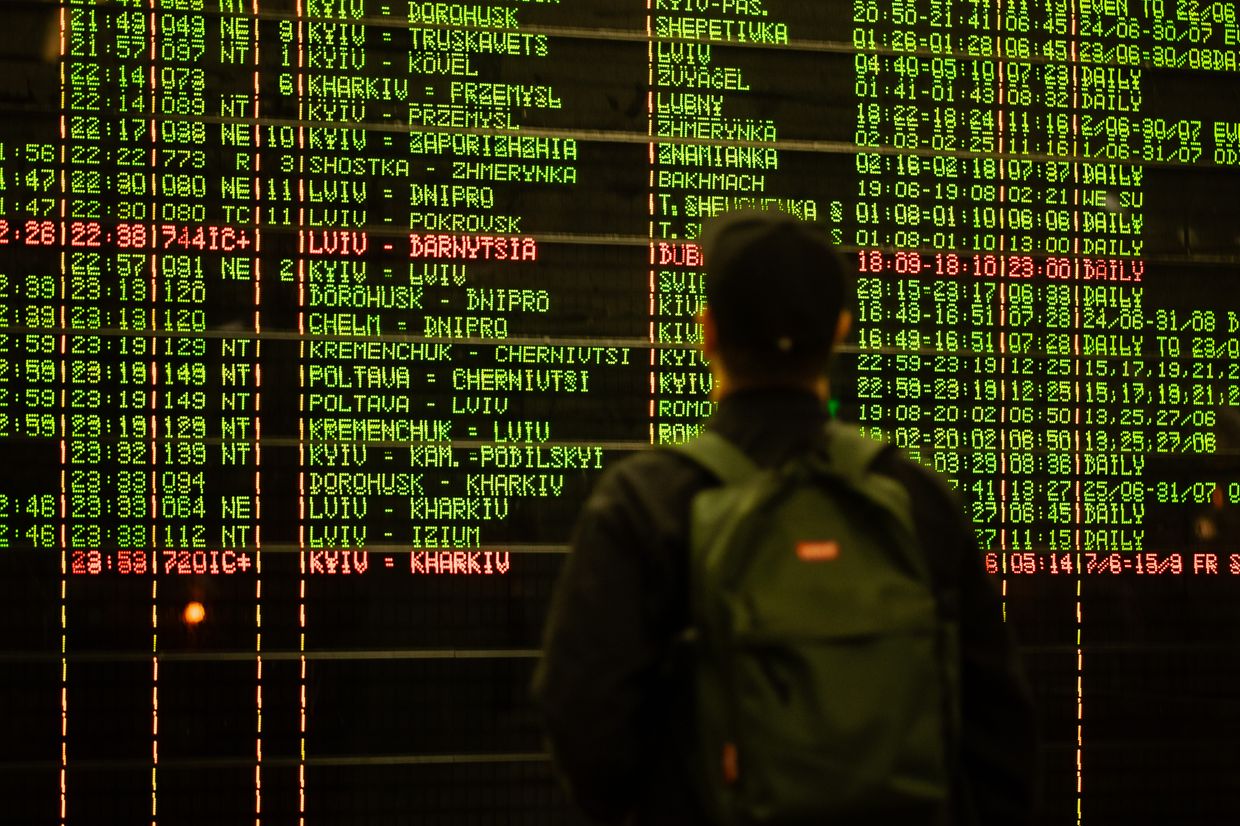
Traveling to Kyiv during the ongoing war presents numerous challenges and considerations. Over 20 million people have crossed the Ukrainian border in the first half of 2026, indicating the year's potential to be the busiest since the full-scale war began. However, reaching Ukrainian cities is complicated due to the country's airspace being completely shut down since February 2022. This leaves only two options for travel: by road or by rail.
The most straightforward way to reach Kyiv is by flying to either Poland or Moldova and then taking a train or bus. Due to Poland's established transportation networks, Warsaw has been the most common initial destination for travelers heading to Kyiv. However, Polish border crossing facilities are now overwhelmed, and Moldova's Chisinau has emerged as a viable alternative, offering low-cost flights and direct bus routes to Kyiv and other Ukrainian cities.
Budapest is another option, with its well-connected airport and train and bus connections to Kyiv and other Ukrainian cities.
Due to Russian attacks, all travel to Kyiv is by land. The daily Warsaw sleeper train is the most popular option, taking about 14 hours, although direct tickets sell out quickly. Travelers to Przemysl or Chelm, two Polish border towns, often use these cities as stopovers for connecting flights from Warsaw, Krakow, or other airports. Upon reaching the border, passengers must switch to Ukrainian trains operated by Ukrzaliznytsia, as Ukrainian tracks do not match European standard gauge.
For those traveling from Budapest, the journey is similar but slightly longer, taking around 18 hours. Direct sleeper trains run daily from Chisinau, Moldova, without the need for additional stops. Buses, such as those offered by FlixBus, provide greater flexibility in departure times and passenger capacity. Minibusses are another option, offering comfort and amenities for a journey that can last up to 11 hours.
Written by urgent.news from Kyiv Independent's reporting — not their text. Machine-written — may contain errors; check the original before relying on it.