This common sleep habit could be changing the shape of your heart—for the worse
Many people sleep with a night-light their whole lives—though as they grow older, small plug-in light fixtures may be replaced by the glow of laptops or phone screens. While sleeping in a low level of light may be commonplace, doing so comes with its own health hazards, including altering the shape of the human heart. A new study, published this week in the European Heart Journal , links exposure…
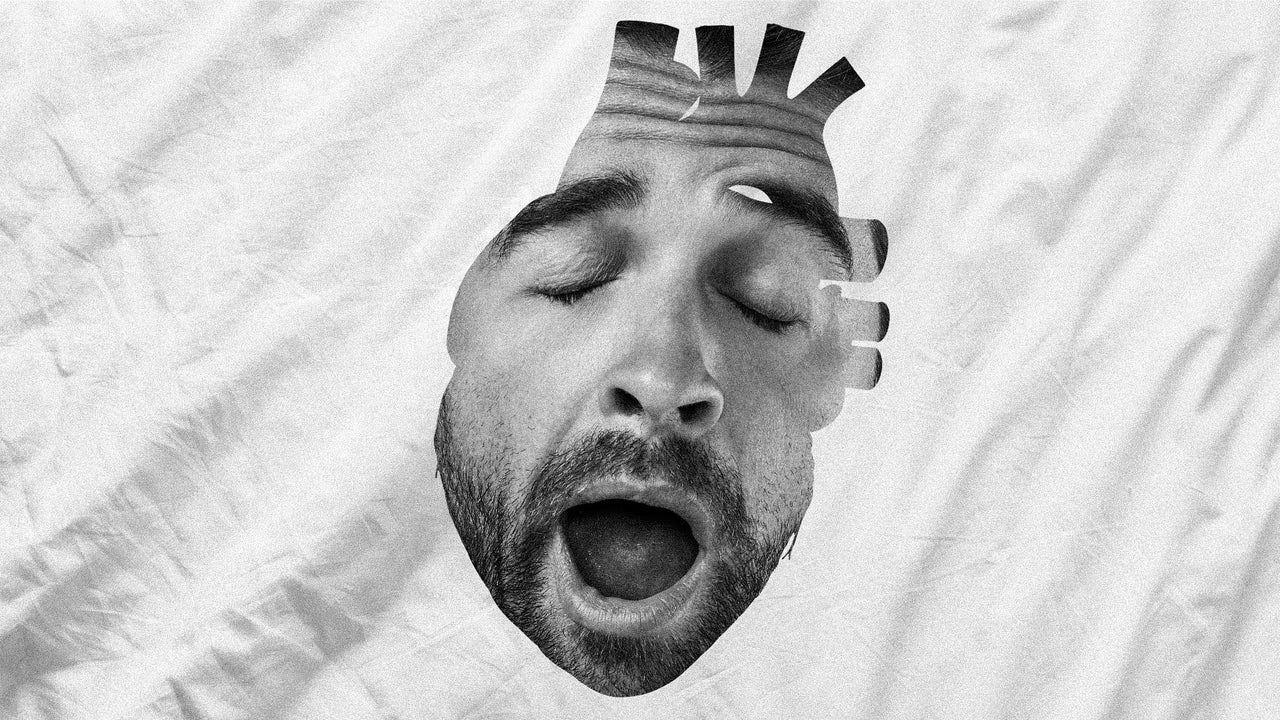
A recent study published in the European Heart Journal suggests that sleeping with a night-light or other low-level light sources could be detrimental to heart health. Exposure to light while sleeping has been linked to cardiac remodeling, a condition where the shape and function of the heart are altered. Specifically, the left ventricle, one of the heart's chambers, thickens, reducing its ability to effectively contract during a heartbeat.
This can lead to weakened cardiac function and increase the risk of cardiovascular disease. While a low level of light exposure may seem harmless, the researchers found that light levels of more than 3 lux significantly increased the risk of cardiac remodeling. To put this into perspective, a phone screen can emit up to 80 lux, well above the 3 lux threshold linked to negative heart health effects.
The study's researchers, led by Dr. Lu Qi of Tulane University, recommend reducing nighttime light exposure as a potential strategy for preventing heart disease. They suggest using blackout curtains or sleep masks, covering electronic standby lights, and limiting screen time before bed. Experts also advise aiming for maximum ambient light levels of just 1 lux, which is close to total darkness, for optimal sleep quality and heart health.
Cardiologist Thomas Münzel and his colleagues propose that clinicians should start asking about patients' sleep environments during health screenings, as darkness is becoming increasingly recognized as a vital sign for cardiovascular health, alongside factors like blood pressure and air quality.
Written by urgent.news from Fast Company's reporting — not their text. Machine-written — may contain errors; check the original before relying on it.