The War on Terror Through the Eyes of Queer Afghan Refugees
As I read Bobuq Sayed’s No God But Us in the waning days of the summer, I realized their debut novel paired well with Jose Esteban Muñoz’s final work, The Sense of Brown (2020). Together, the duo made a perfect
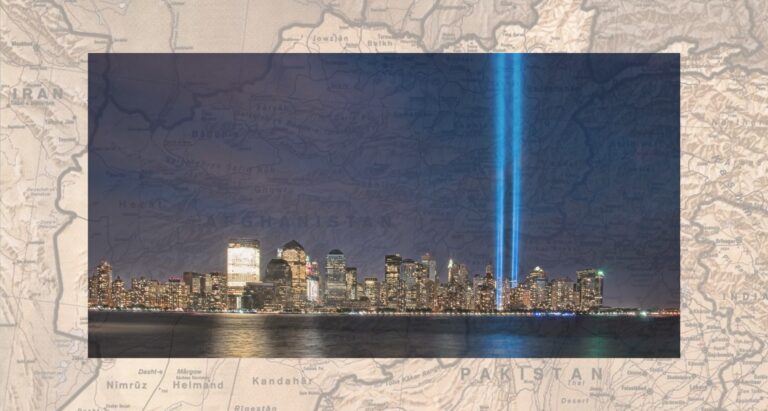
"The War on Terror Through the Eyes of Queer Afghan Refugees"
In the final days of summer, I discovered the novel "No God But Us" by Bobuq Sayed, which resonated with Jose Esteban Muñoz's final work, "The Sense of Brown" (2020). These books together provide an insightful reflection on the last quarter century of the United States' "War on Terror." As the world focuses on the events of September 11, 2001, this novel offers a crucial perspective on that tragic day and its devastating aftermath, narrated by two queer Afghan refugees whose lives are disrupted by the war.
The precise number of casualties from the US-led War on Terror, officially beginning in 2001, is unknown. The Costs of War project at Brown University estimated that 4.5 million people were killed, with approximately one million deaths directly resulting from combat in war zones across Afghanistan, Pakistan, Iraq, Libya, Syria, Somalia, and Yemen.
The remaining 3.5 million deaths were considered indirect, caused by economic, public service, and environmental destruction. An estimated 37 million people have been displaced, becoming refugees forced to leave their homes and lives behind.
These refugees are not mere passive victims; they are survivors who navigate precarious life journeys, often with humor and resilience. Sayed dedicates the novel to "the transgressors of borders," exploring their transgressive nature when attempting to cross national, gender, individual body, and class boundaries.
Two such adventurers are Delbar and Mansur, both of Afghan descent, who meet in Turkey in 2014 after being outed to their families. Delbar, raised in Washington, D.C., is kicked out of his share house by a roommate and later finds refuge with his aunt in Istanbul. Mansur, born in Afghanistan, travels to Iran and eventually seeks help from his sister and mother. Despite temporary support from a kinder acquaintance, Mansur is eventually smuggled to Turkey to work as a dishwasher and sex worker.
Throughout "No God But Us," Sayed provides a humorous yet poignant depiction of the NGO world and its white savior mentality, highlighting the struggles of Afghan refugees striving to forge a future amidst displacement.
Written by urgent.news from Literary Hub's reporting — not their text. Machine-written — may contain errors; check the original before relying on it.