Sweden heads into final stretch before key election
Sweden’s party leaders campaigned on Friday in the final stretch of a close election race that could see either the centre left take back power or the far-right enter government for the first time. Outgoing Prime Minister Ulf Kristersson was hoping for a renewed mandate to “make Sweden great again”, he told Agence France-Presse on the sidelines of a campaign rally, in a nod to US President Donald…
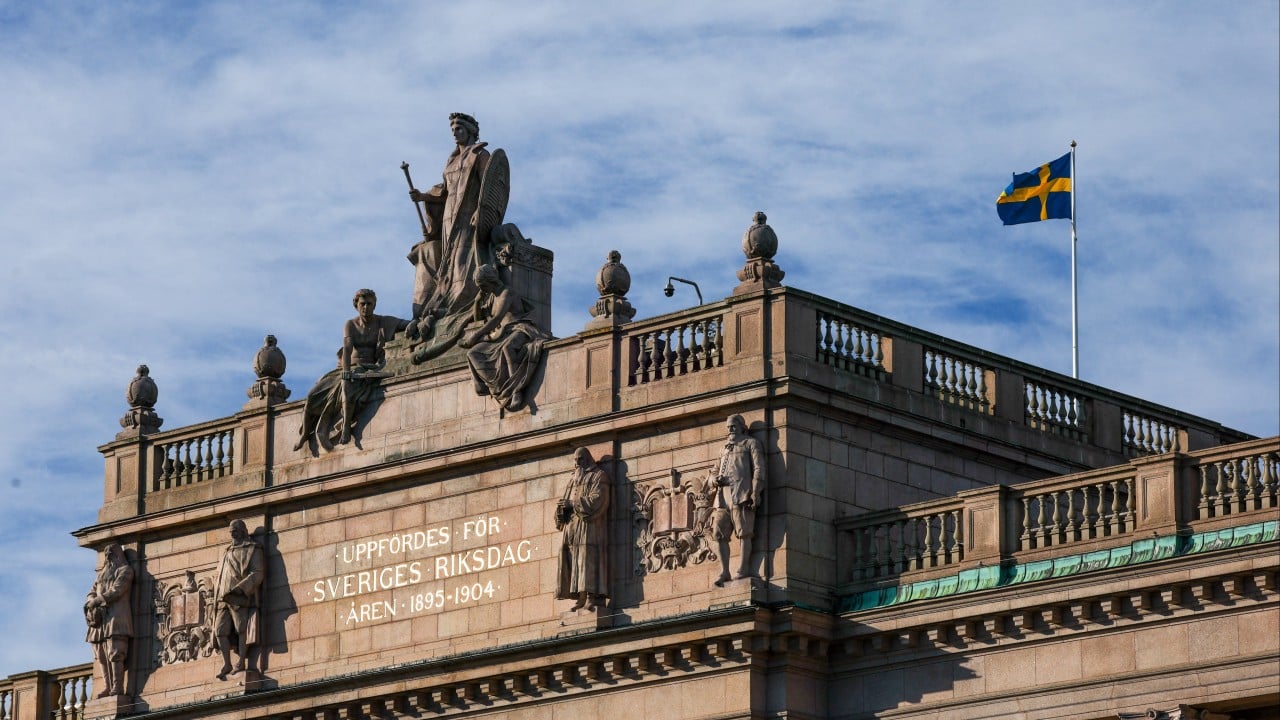
Sweden is on the brink of a crucial election that could have major implications for the country's political landscape. The centre-left Social Democrats, who have governed Sweden for a significant portion of the 20th century, are hoping to reclaim power. However, the far-right Sweden Democrats, long considered political outsiders, could potentially enter government for the first time.
Outgoing Prime Minister Ulf Kristersson campaigned on Friday, urging voters to give him a renewed mandate to "make Sweden great again." He echoed President Donald Trump's catchphrase, but with a distinctly Swedish twist. Polling has shown the opposition left-wing bloc holding a strong lead heading into Sunday's election, although the lead has narrowed in recent days.
Pensioner Kurt Flodin expressed his desire for Kristersson's government to continue focusing on curbing organized crime, which he believes has plagued the country. On the other hand, the centre-left Social Democrats have pledged to help struggling households pay bills and strengthen the welfare state. Jenny Larsson, a theatre worker, voiced her concerns about politicians blaming immigration for issues unrelated to immigration and her fear of the far-right Sweden Democrats entering government if the right-wing bloc wins.
The anti-immigration Sweden Democrats saw a significant surge in popularity during the 2022 election, overtaking Kristersson's Moderates to become Sweden's second-biggest party. In response, Kristersson made an unprecedented deal with the far-right party, granting it significant influence over government policy in exchange for their support in parliament. He has now promised cabinet posts to the Sweden Democrats if re-elected, a pledge he downplayed as routine cooperation.
A recent opinion poll indicates that the four opposition parties – Social Democrats, Greens, Centre, and Left – have garnered 50.8% of voter support. The right-wing bloc, comprising Kristersson's Moderates, the Sweden Democrats, the Christian Democrats, and the Liberals, holds 47.6%. Party leaders engaged in multiple televised debates, focusing on housing affordability, education scores, job opportunities, climate change, and national security.
The Social Democrats' leader, ex-prime minister Magdalena Andersson, highlighted the housing crisis and the increasing cost of living in her debate appearance. Kristersson countered that a salary sufficient to buy a small home should be "normal" and emphasized the need for economic growth and tax incentives. The debates also touched upon the housing shortage, declining educational standards, job market, climate concerns, and security, with Andersson warning voters about the potential risks of a far-right government.
Despite the opposition parties' slim lead, they face the challenge of ideological differences, which could complicate any coalition negotiations if they emerge victorious.
Written by urgent.news from South China Morning Post's reporting — not their text. Machine-written — may contain errors; check the original before relying on it.


