Oil prices set to end the week above $100 as Houthis seize key port city
Oil prices traded sideways on Friday and were on track to end the week above $100 per barrel for the first time in nearly four months as supply concerns from the Middle East rose after Houthi rebels seized a key port city along the Red Sea and ships continue to come under attack in the Strait of Hormuz. Brent, the benchmark for two-thirds of the world's oil, was down 2.31 per cent to $105 a…
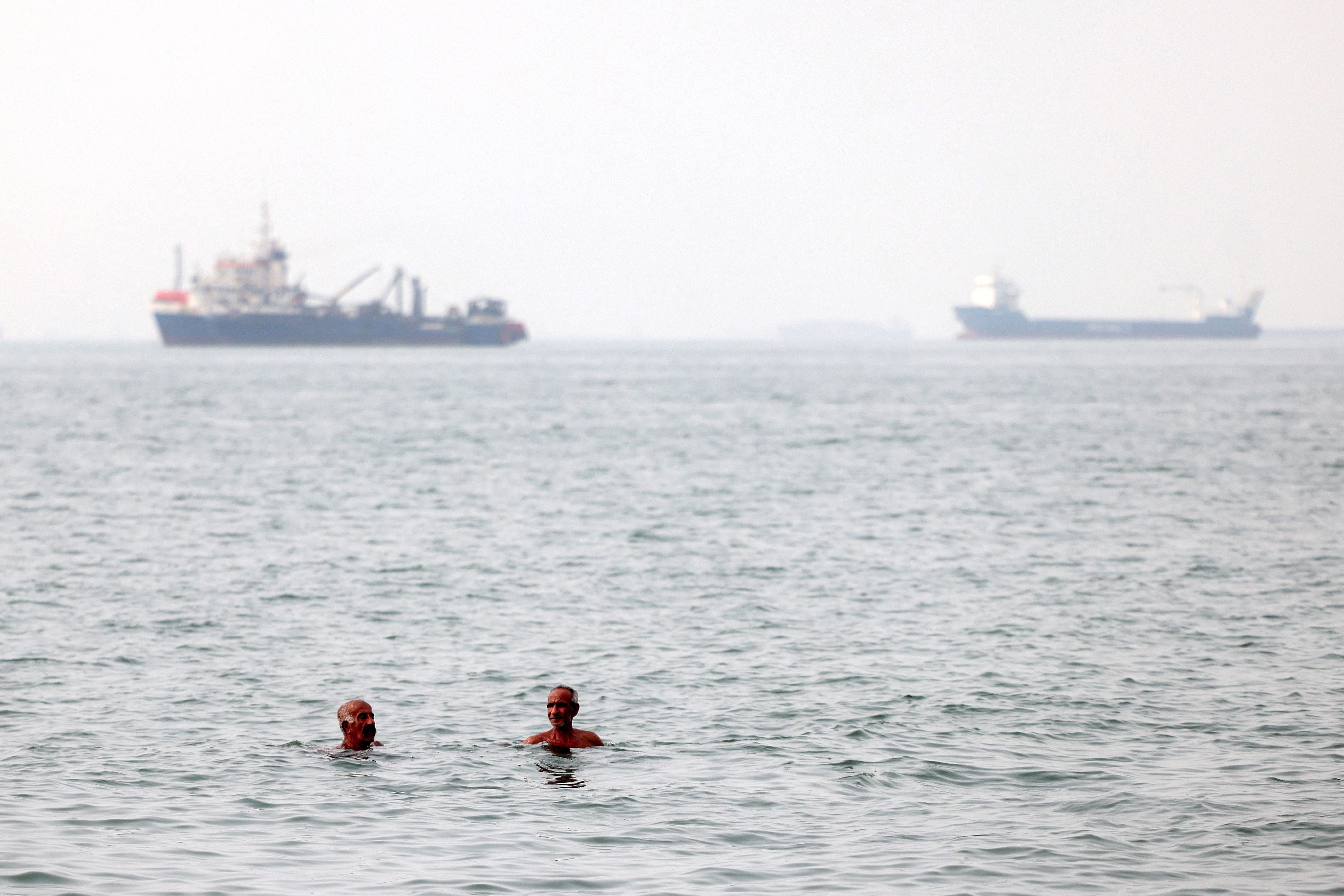
Oil prices are poised to conclude the week above $100 per barrel for the first time in nearly four months, according to market experts. This surge in prices is attributed to rising concerns over supply disruptions in the Middle East following a significant Houthi rebel seizure of a crucial port city along the Red Sea. The Houthi group's recent advances towards coastal areas, including Mokha, a key port city near the Bab Al Mandeb Strait, have heightened fears of further disruptions to Red Sea shipping.
Brent crude, the benchmark for two-thirds of the world's oil, fell by 2.31% to $105 a barrel. West Texas Intermediate, a gauge tracking US crude, decreased by 1.96% to $100.5 a barrel. Despite an early morning price jump to $109 per barrel, oil prices tapered gains later in the day.
Analysts caution that the escalating situation could tighten oil markets and push prices even higher. Soojin Kim, a Dubai-based analyst at MUFG, noted that the Houthi forces' actions have compounded existing pressure on Gulf supplies, with earlier Houthi attacks forcing some Saudi energy facilities to halt operations. Additionally, the ongoing conflict between the US and Iran continues to threaten tanker traffic through the Strait of Hormuz, another concern for the oil market.
Ship traffic in the Bab Al Mandeb strait, a critical chokepoint for global crude, has also declined. Preliminary data from Kpler revealed that only 27 vessels crossed the strait on Thursday, down from 32 the previous day. Of these vessels, 16 exited the Red Sea, while 11 entered. The Russia-flagged vessel carrying about 791,000 barrels of crude towards the Indian port of Sikka was among those exiting.
The situation in the Strait of Hormuz has also been volatile, with the US military destroying five Iranian oil tankers, while Iran retaliated by attacking 10 ships near the channel. This tit-for-tat escalation has further contributed to the uncertainty in global oil markets. As global benchmark Brent crude touched an intraday high of $126.41 per barrel on April 30, marking a four-year high, the key question for oil markets now is whether the market can stabilize below $120 or whether another wave of supply disruption will push crude into a completely new price regime.
Written by urgent.news from The National Business's reporting — not their text. Machine-written — may contain errors; check the original before relying on it.
This story
This is one outlet's version. Read the fullest account.