Nikkei Drops 2.8% as Oil Shock and Rate Fears Hit Tokyo
Tokyo stocks fell sharply on September 11, with the Nikkei 225 closing at 63,442, down 2.8%, as oil prices above $108, renewed Middle East tensions, U.S. rate-hike fears and expectations for another Bank of Japan increase triggered a broad selloff led by artificial intelligence and semiconductor-related shares. (News On Japan)
On September 11, the Nikkei 225 stock index experienced a sharp decline, closing at 63,442, down 2.8%. This drop was primarily driven by factors such as oil prices exceeding $108 per barrel, escalating Middle East tensions, concerns over U.S. rate hikes, and anticipation of further Bank of Japan rate increases. The decline marked the weakest level for the Nikkei in several weeks and added to the market's volatility since late August.
Investors were already cautious as they awaited U.S. inflation data and the central bank meetings scheduled for the following week. However, the sudden surge in crude oil prices and the weakening of global technology shares created a more defensive atmosphere in the market. The Nikkei opened under heavy pressure due to a significant decline in Nikkei futures overnight and a weak performance on Wall Street.
By 10 a.m., the index had dropped over 1,600 points, and by 11 a.m., it had fallen more than 1,800 points, with Advantest contributing significantly to the decline.
The selloff extended beyond Japan, affecting Asian markets as well. South Korea's Kospi fell by 2.3%, Taiwan's Taiex dropped by 1.7%, Hong Kong's Hang Seng declined by 0.8%, and Australia's S&P/ASX 200 decreased by 1.2%. These regional setbacks indicated that investors were reducing exposure across markets linked to technology, global trade, and higher energy costs.
Oil prices were the primary catalyst for the market turmoil. Brent crude surged above $108 a barrel, marking the highest level since May, due to heightened tensions between the U.S. and Iran and fears of further disruptions to energy supplies. For Japan, imports of energy are a major concern; oil prices above $100 are already challenging, while prices above $108 pose a direct threat to inflation, household spending, and corporate margins.
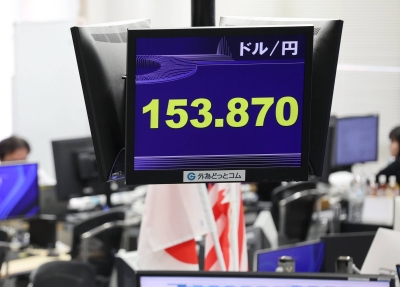
Rising crude prices affect various sectors, including gasoline, electricity, aviation fuel, shipping, logistics, chemicals, and manufacturing, particularly impacting companies when the yen remains weak, despite recent recent strengthening trends. The yen traded at around the mid-153 range against the dollar after strong gains in September.
Although the stronger yen has helped alleviate some imported inflation pressure, it has also hurt exporters and raised concerns about carry trades. Investors focused more on the oil shock and global rate fears on September 11 than on any relief from the stronger yen.
The Bank of Japan's policy stance gained significance following data showing elevated wholesale inflation in Japan. Producer prices increased by 7.6% in August compared to a year earlier, highlighting the persistence of cost pressures across the corporate sector. This data bolstered expectations that the BOJ would raise its policy rate from 1% to 1.25% during its September 17-18 meeting.
Markets have largely priced in this rate hike, and analysts now anticipate continued rate hikes towards 1.75% in the second quarter of 2027. The Bank of Japan had maintained rates unchanged during its July 30-31 meeting, but board member Hajime Takata dissented, advocating for a rate increase to 1.25%. Since then, Japan's inflation, rising wages, upgraded GDP data, yen volatility, and high producer prices have reinforced the case for another increase.
The central bank's dilemma lies in navigating rising inflation pressure while dealing with a more fragile market. A rate hike could help anchor inflation expectations and support the yen, but it may also increase government bond yields, raise borrowing costs, and pressure growth stocks. Japan's 10-year yields have recently surpassed 3%, a level not seen since 1996, while shorter-term yields have risen as investors factor in faster BOJ normalization.
Higher yields benefit banks by improving lending margins but can harm high-valuation technology shares by increasing the discount rate applied to future earnings. Additionally, higher yields raise government debt servicing costs at a time when various expenses, such as defense spending, household relief, and strategic investments, are already under scrutiny.
This combination of factors weighed heavily on September 11, as investors grappled with the prospect of both BOJ and Federal Reserve tightening policies amidst surging oil prices. The U.S. Federal Reserve outlook also added to the pressure, with Reuters reporting that Fed funds futures indicated a 71.1% probability of a 25-basis-point hike at the September 15-16 meeting, up from 61.2% the previous day.
Higher U.S. rates would strengthen the dollar, lift global yields, and adversely affect technology shares. In the context of Japan, a hawkish Fed could weaken the yen's rally, but it would also raise global yields and pressure growth shares. The report from the U.S. consumer price index on September 11 would be a critical event for Tokyo investors, with a stronger reading supporting Fed tightening expectations, boosting the dollar, and further challenging equities.
Conversely, a softer reading could lessen U.S. yield pressure but might strengthen the yen even more, adversely affecting exporters. Artificial intelligence and semiconductor-related shares bore the brunt of the Tokyo selloff. Advantest was the most significant drag in the morning trading session, reflecting both its substantial weight in the Nikkei and investor wariness.
Written by urgent.news from News On Japan's reporting — not their text. Machine-written — may contain errors; check the original before relying on it.