New removable stent technology comes to Dubai to treat severe below-the-knee artery disease
Medcare Hospital Al Safa has introduced SPUR Retrievable Scaffold Therapy, becoming the first hospital in Dubai to use the innovative technology for patients with severely narrowed or blocked arteries below the knee. For patients with advanced circulation problems, particularly those with diabetes, restoring blood flow to the foot can be critical to saving the limb. When the arteries below the…
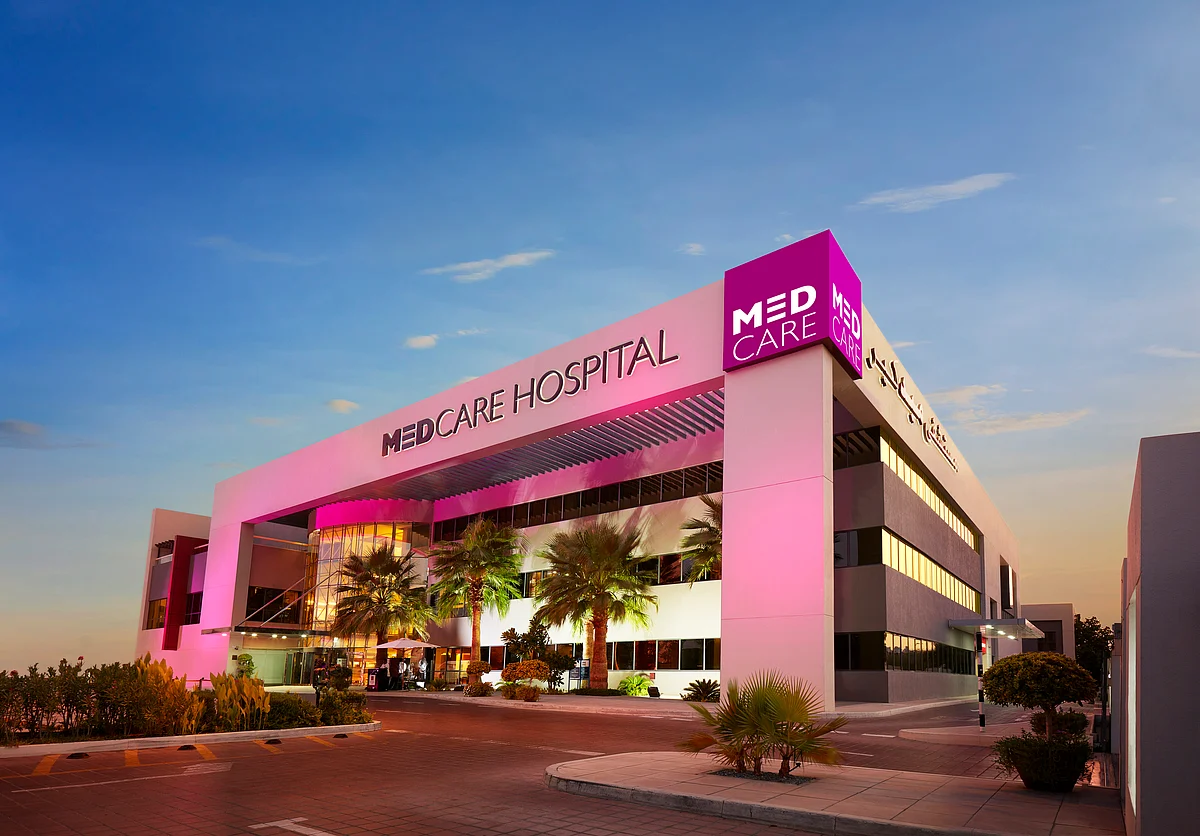
Medcare Hospital Al Safa in Dubai has become the first medical facility in the country to offer a new removable stent technology called SPUR Retrievable Scaffold Therapy. This innovative procedure is specifically designed for patients with severely narrowed or blocked arteries below the knee, a condition that can lead to severe circulation problems, particularly in diabetic patients.
Without adequate blood flow, wounds may not heal, increasing the risk of infection, tissue damage, and potentially requiring amputation. The SPUR device offers a minimally invasive alternative by temporarily supporting the artery during treatment, allowing for improved outcomes after the blocked or narrowed vessel has been opened.
At the end of the procedure, the scaffold is fully removed, leaving no permanent metal implant behind. This "leave-nothing-behind" approach is particularly beneficial in treating small and heavily diseased arteries below the knee while preserving future treatment options if necessary. Bilal Al Soweissi, COO of Medcare Hospital Al Safa, emphasized the importance of this technology in Dubai, where diabetes is prevalent among adults aged 20-79, according to the International Diabetes Federation.
Dr. Saher Arour, the first surgeon in Dubai to perform the SPUR procedure, explained that restoring blood flow can significantly impact wound healing and limb preservation in diabetic patients with foot wounds. The SPUR therapy successfully reopened a narrowed below-the-knee artery in a 71-year-old Emirati patient with tissue loss caused by reduced blood flow.
The device was completely removed at the end of the treatment, and follow-up imaging showed improved blood flow to the foot with no immediate complications. Dr. Arour stressed that successful limb salvage requires a multidisciplinary approach, including wound care, infection control, diabetes management, and close follow-up.
Written by urgent.news from Gulf News's reporting — not their text. Machine-written — may contain errors; check the original before relying on it.


