I've chased the 'false dawn' for years — this is the week to find and photograph it
September's new moon opens a dark window for seeing zodiacal light, the ghostly cone of interplanetary dust that rises above the eastern horizon before dawn.
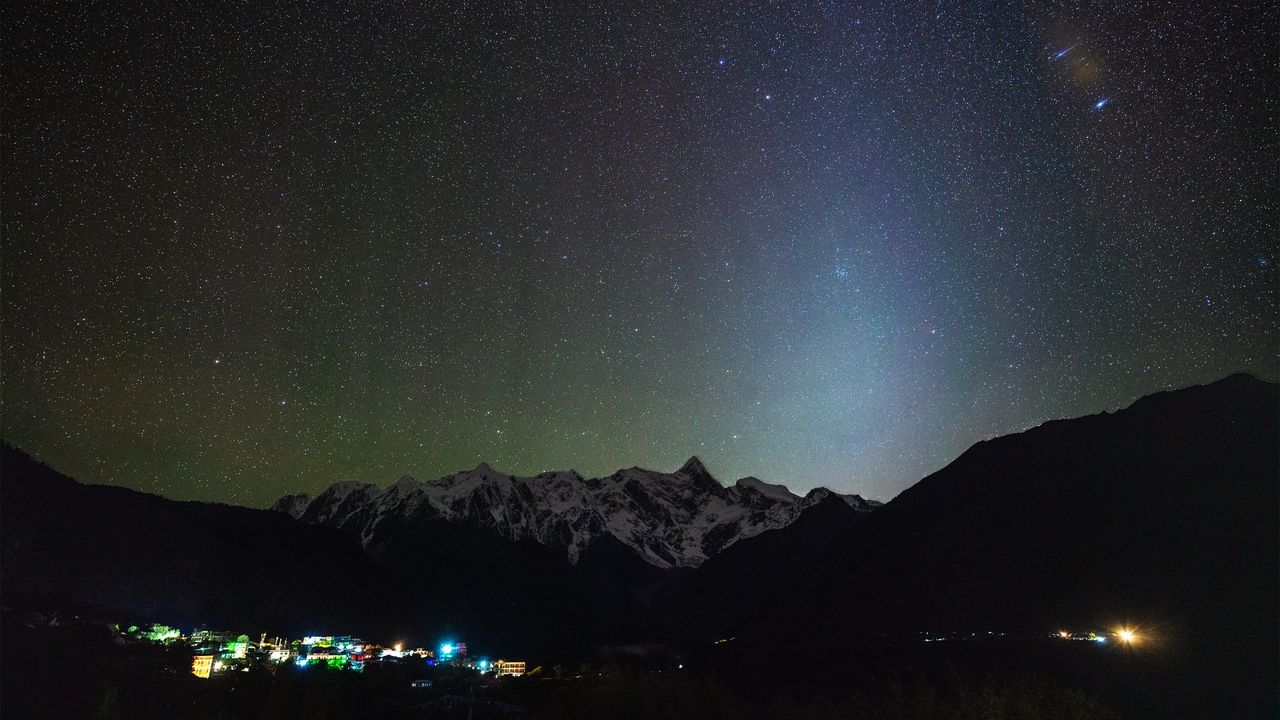
Some stargazing experiences are like searching for a specific object, but the result remains uncertain. Zodiacal light, often referred to as the "false dawn," has been a sought-after phenomenon for years. The anticipation remains constant as I gaze towards the horizon, questioning whether the sky is genuinely brighter or if my eyes are merely tricked by distant light pollution or the anticipation of morning twilight.
However, under a truly dark sky, particularly in a long-exposure photograph, the cone shape of the zodiacal light becomes evident. This phenomenon is truly remarkable. It manifests as a broad, softly glowing pyramid-like structure rising from the horizon. It can be fainter than the Milky Way and lacks hard edges, making it easy to overlook.
This week presents an opportune moment to search for it because a new moon is expected on September 10-11. With no moonlight interfering during the predawn hours, other common obstacles like clouds, haze, and artificial light become the primary challenges faced by skywatchers. Zodiacal light is sunlight scattered by dust particles throughout the inner solar system, concentrated broadly along the plane in which the planets orbit.
From Earth, we observe this dusty structure edge-on along the ecliptic - the path the sun, moon, and planets follow in the sky. It encompasses the 12 (actually 13) constellations of the zodiac, ranging from Pisces the fish to Leo the lion. As seen from the Northern Hemisphere around the September equinox, observers should look east before morning twilight when the ecliptic rises steeply away from the horizon.
The faint glow becomes more distinct and easier to distinguish from the surrounding murk. With an altitude of around 30 to 40 degrees above the horizon, zodiacal light is the solar system made faintly visible, one of the most subtle and strange sky sights of all.
Written by urgent.news from Space.com's reporting — not their text. Machine-written — may contain errors; check the original before relying on it.