Indigenous Groups Are Exempt From Medicaid Work Rules, but Native Hawaiians Aren’t
Native Hawaiians will have to comply with the new work requirements in President Donald Trump’s signature One Big Beautiful Bill Act, despite facing significant obstacles to employment and healthcare.
In Waianae, Hawaii, Native Hawaiians will be required to comply with new work rules to qualify for Medicaid, following an exclusion for other Indigenous groups. The new mandate, part of President Trump's One Big Beautiful Bill Act, will require most adults to work, study, or participate in training or volunteer activities for at least 80 hours each month.
Native Americans and Alaska Natives, however, will not be subject to these requirements, which take effect in January. Of the nearly 700,000 Native Hawaiians in the U.S., around 47% reside in Hawaii, with California, Washington, Nevada, Texas, and Oregon housing the largest populations outside of Hawaii.
Meredith Nichols, the Medicaid administrator for Hawaii, stated that the Centers for Medicare & Medicaid Services did not grant an exemption for Native Hawaiians when the state requested one. She believes the exclusion was due to the population's lack of federal recognition as a tribal nation. Hawaii has approximately 390,000 Medicaid enrollees, with 15% identifying as Native Hawaiian.
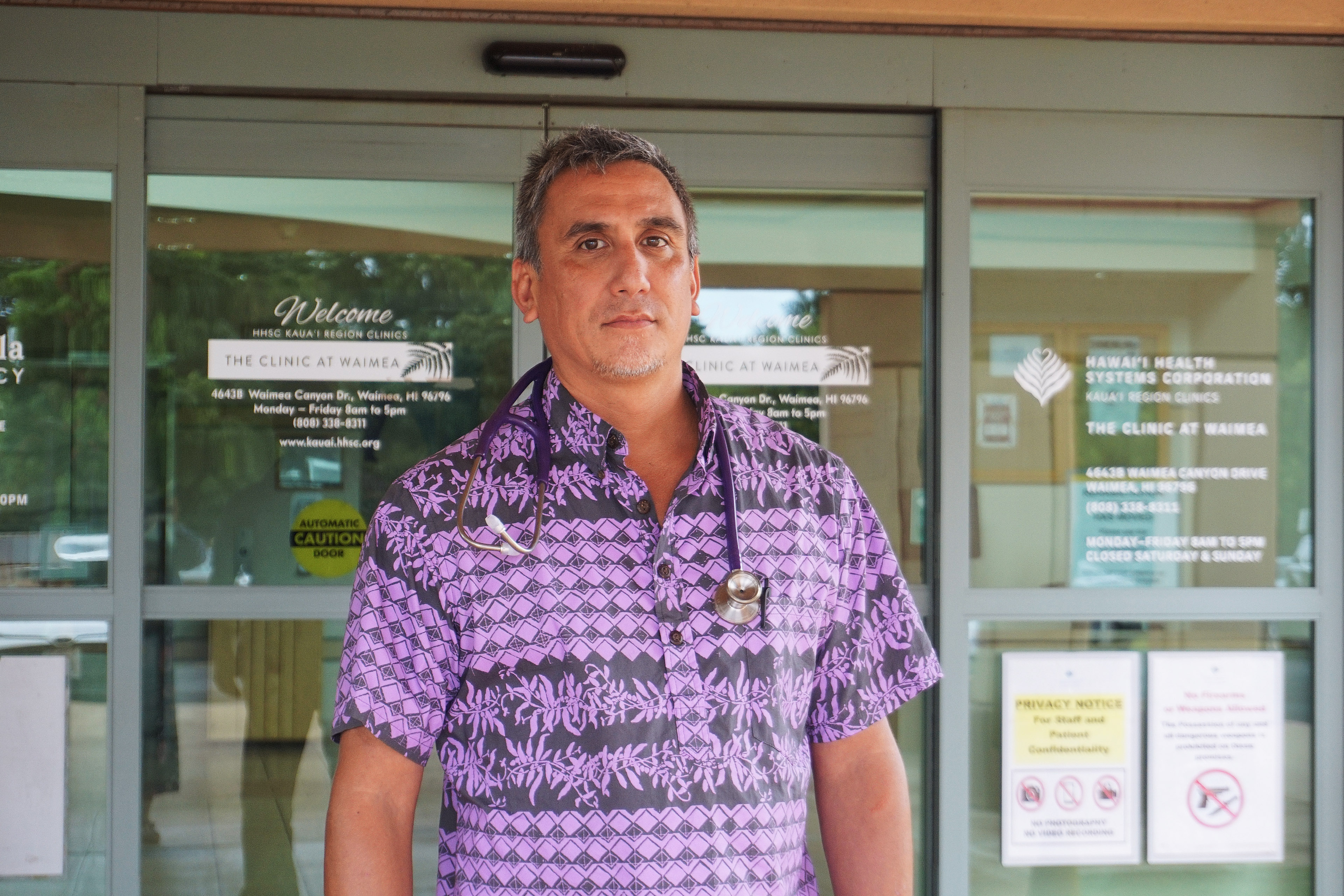
Native Hawaiians face numerous health disparities, including higher risks during pregnancy, higher infant mortality rates, and higher uninsured rates compared to the white population. Local Native Hawaiian healthcare provider, Kapono Chong-Hanssen, expressed concern that the new work requirements will erode the trust between healthcare providers and Native Hawaiian patients, many of whom are already wary due to historical disenfranchisement.
He anticipates that many of his patients will struggle to comply with the new rules, putting their access to care at risk.
The new requirements will also affect Medicaid coverage for transportation expenses, with round-trip tickets between islands costing hundreds of dollars. Native Hawaiian and Pacific Islanders make up about 60% of Honolulu's homeless population, with Waianae Coast Comprehensive Health Center, which primarily serves the west side of O'ahu, estimating that about 2,800 of its patients may be affected by the new work requirements.
The annual cost of living for a family of four in Hawaii on Oahu is over $100,000, while the average income of the patients at Waianae Coast Comprehensive Health Center is under $30,000 per year.
Written by urgent.news from KFF Health News's reporting — not their text. Machine-written — may contain errors; check the original before relying on it.