How a parent’s motivation influences their child’s writing skills
When parents help their children with writing activities because they genuinely enjoy the process, children develop more positive attitudes toward the subject. These positive feelings are linked to better handwritten stories and improved grammar in the classroom.
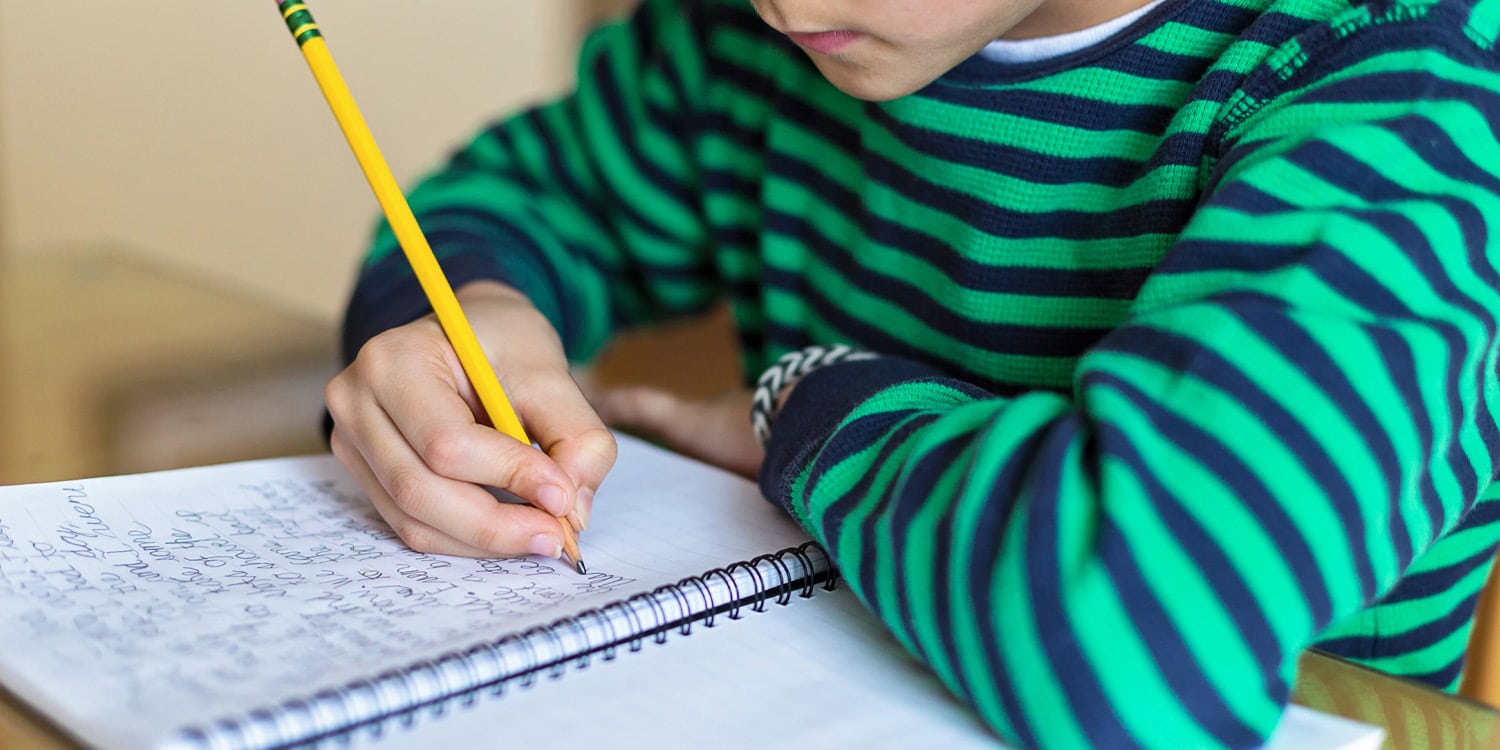
Research published in the Journal of Writing Research reveals a connection between parental motivation and children's writing skills. Parents who approach writing activities with genuine enjoyment or high value tend to foster more positive attitudes in their children. These positive attitudes then correlate with better writing performance in school.
Learning to write is a social process that requires consistent practice both in and out of the classroom. While teachers offer formal instruction on grammar and text structure, parents commonly support informal writing experiences at home. Educational psychologists emphasize the social and cultural environment's role in shaping a child's ability to communicate on paper.
Despite writing's importance for academic and professional success, research often overlooks home-based learning in favor of reading. The current study examines how parental motivations influence children's writing development. Psychologists categorize human motivation into autonomous and controlled types. Autonomous motivation means engaging in an activity for intrinsic enjoyment or personal significance.
For parents, this could involve helping a child write a story because they believe it's important for their growth. Controlled motivation stems from guilt, shame, or external pressure. A parent motivated by control might assist with homework solely to avoid feeling they are failing. In a study led by Bronte Kelso-Marsh at Edith Cowan University, researchers investigated the link between parental motivations and children's writing abilities.
The study included 159 second-year primary school children across twelve schools in Perth, Western Australia, representing various socioeconomic backgrounds. To gauge children's attitudes toward writing, researchers conducted one-on-one interviews using a visual scale from awful to fantastic. Overall, children reported positive feelings toward writing.
To evaluate writing quality, children wrote a narrative about finding a robot on the way home from school. Trained evaluators scored the stories based on vocabulary, sentence structure, punctuation, spelling, character development, text structure, and reader engagement. Parents completed a survey about their involvement in home writing activities, including greeting card writing, shopping lists, word games, and free writing.
The survey measured autonomous (enjoyment and belief in value) and controlled (guilt, external pressure) motivations. The analysis showed that parents with higher autonomous motivation frequently engaged in home writing activities, driven by enjoyment and belief in writing's value. Parents motivated by control did not engage more frequently.
Higher controlled motivation was linked to children having less favorable attitudes toward writing, though this wasn't the main focus. The frequency of home writing activities positively impacted children's attitudes, with frequent practice leading to more favorable views. Additionally, a positive relationship existed between children's attitudes and the quality of their written stories.
Children who enjoyed writing produced stories with better structure, grammar, and vocabulary. The researchers discovered that parental motivation indirectly influenced children's writing quality through the development of positive attitudes. Parents valuing writing and enjoying helping their children were more active in home writing activities, leading to children developing positive attitudes.
These positive attitudes correlated with higher narrative writing scores on the assessment. Notably, parents reporting high autonomous motivation but low controlled motivation showed the strongest positive influence on their children's writing development.
Written by urgent.news from PsyPost's reporting — not their text. Machine-written — may contain errors; check the original before relying on it.