How 9/11 Helped Shape Our Politics Today
The Sept. 11, 2001 attacks transformed global politics as Western democracies abandoned many liberal principles and older conflicts over empire, decolonization, immigration and culture resurfaced in the far-right movements.
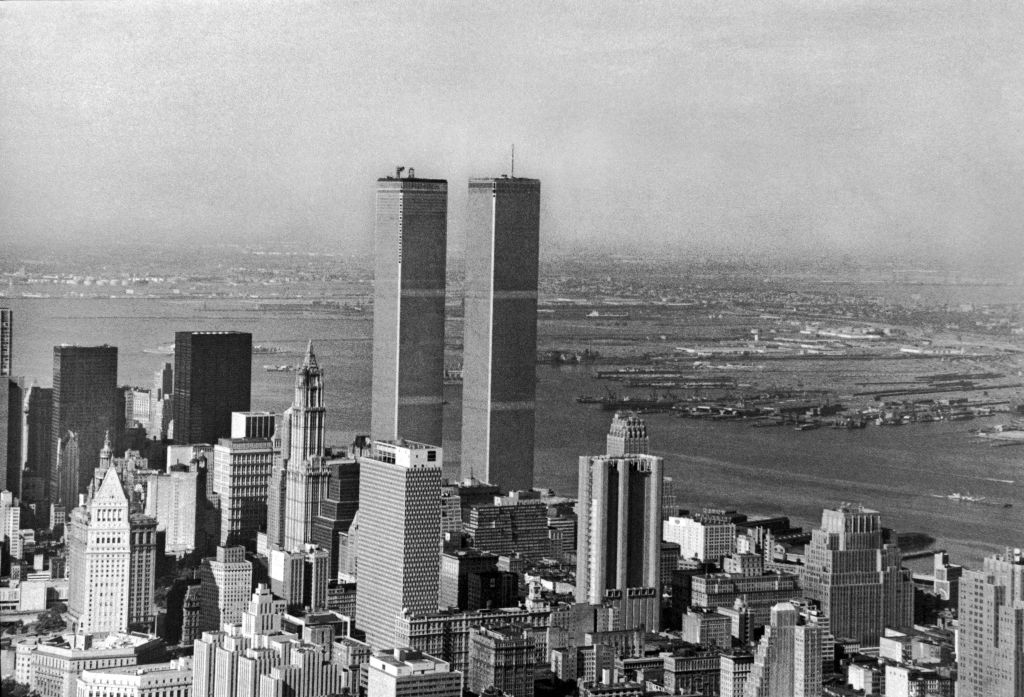
On the morning of September 11, 2001, the World Trade Center twin towers in New York City were destroyed by terrorist attacks. President George W. Bush declared the ensuing war on terror as a generational conflict. However, the influence of Al-Qaeda and Islamic militancy has diminished within a decade, not due to defeat on the battlefield but because it failed to garner widespread support among Muslims.
The early 2010s Arab Spring uprisings, driven by demands for democracy, signaled a decline in Islamic militancy more than any military victory. Al-Qaeda faced its greatest defeat at Tahrir Square. Islamic militancy has largely receded to pockets of weak or fractured states, where it now exists among petty criminals or psychologically disturbed individuals.
The end of the Cold War, marked by Al-Qaeda's emergence in the global public sphere, signaled a new chapter in world history. The Cold War's institutions and practices, such as NATO, the United Nations, and international courts, operated without their founding cause. However, the war on terror, fought against nonstate actors dispersed globally, eventually destroyed the remaining ideological states in the Middle East, including Iraq, Libya, and Syria.
Al-Qaeda's emergence also led to the decline of Islamism, a Cold War movement advocating for revolution and the creation of ideological states. Iran and Afghanistan remained the only durable strongholds of Islamism, embodying its takeover by clerical establishments.
The war on terror also weakened the liberal state, a Cold War construct aimed at posing capitalist liberty against Communist dictatorship. Osama bin Laden claimed Western interventions in the Middle East would remake the region in their image, but instead, the U.S. and Europe increasingly resembled their authoritarian clients. Al-Qaeda aimed to provoke Western states into attacking their own democracies, creating an auto-immune response that corroded civil liberties and exposed Western claims to freedom as hypocritical.
The war on terror's consequences included suspicion of Muslims, hostility toward immigration, civilizational rhetoric, and border militarization. It also diverted America's unipolar decade, contributing to the rise of China and polarization, populism, and distrust of institutions in Western public discourse.
Written by urgent.news from Time's reporting — not their text. Machine-written — may contain errors; check the original before relying on it.